Some rookies stand out through performance. Others are recognised the moment they enter the field. BLUSHELLA does both.
This round hybrid radish catches the eye with its striking red-and-white striped skin, a natural pattern that gives every radish a distinctive appearance. The pure white flesh creates an attractive contrast, making BLUSHELLA a visually appealing choice for the shelf, the bunch and the snack box.
But its looks are more than a first impression. BLUSHELLA combines its unique appearance with mid-early maturity and strong performance in year-round indoor and outdoor production. It is suitable for both bunching and pre-packing, giving growers flexibility across different market channels.
In the field, its well-attached, medium-tall and robust leaves support efficient harvesting and handling. When grown in mixes with Hazera’s purple, red and white radish varieties, sowing density can be adjusted to match earliness, helping create attractive colour blends.
For growers, BLUSHELLA combines production flexibility with a fresh market opportunity. For consumers, it brings something different to the shelf: trusted radish quality, a distinctive striped appearance and strong snacking appeal.
At Hazera, our people are the driving force behind every healthy crop, every successful harvest and every innovation. Their knowledge, dedication and passion help growers around the world overcome challenges every day. This time, we put the spotlight on David Levy, Hazera’s Plant Pathologist, whose career has been dedicated to protecting the health of our plants and seeds.
David’s connection with Hazera began long before he officially joined the company. He was born on Hazera’s Izra’am farm in southern Israel, where his father was one of the first employees after the farm was established in 1954.“My father worked at Hazera for 45 years,” David says. “Together, we’ve contributed more than 80 years to the company.”
After completing his degree in agriculture, David originally intended to join Hazera for just a year to gain some practical experience. Instead, he found a career that has now spanned almost 40 years.
He began as an assistant cucumber breeder before becoming a breeder himself. During this time, his growing interest in plant pathology led him to complete both a master’s degree and a PhD in the field. He went on to establish Hazera’s Plant Pathology Laboratory, managing it for 15 years before moving into his current role, where he oversees plant hygiene across both R&D and Production.
If you had to explain your job to a 5-year-old, how would you do it?
David smiles before answering.“I would tell them I’m the policeman who keeps our plants healthy.”
Behind this simple explanation lies an important responsibility. David works to prevent diseases from entering Hazera’s breeding programmes and production systems, helping ensure healthy plants and high-quality, disease-free seeds.What makes his role particularly unique is that he has experienced both sides of plant pathology.“I started my career using pathogens to challenge plants so breeders could select resistant varieties. Today, I use that same knowledge to prevent diseases altogether.”
His background as both a breeder and a plant pathologist allows him to understand the practical challenges faced by breeding teams while developing realistic hygiene measures that protect the company’s crops.“I know their mindset,” he explains. “That helps me find solutions that work.”
What’s something you’ve learned during your career at Hazera from working with colleagues or partners from different cultures?
For David, the biggest lesson has little to do with culture itself and everything to do with teamwork.“It’s important not to focus only on your own work,” he says. “You have to look at the bigger picture.”
Throughout his career, he has learned that lasting success comes when everyone understands how their work contributes to the company’s overall goals.“We all have our own responsibilities, but we need to move in the same direction. That’s how you achieve success together.”
What’s the most unusual or memorable thing that’s ever happened to you in your career?
After nearly four decades, choosing just one memorable moment is not easy.Professionally, David is especially proud of the progress Hazera has made in plant hygiene over the past ten years through the company’s PIE (Phytosanitation Improvement Effort) programme.
Rather than introducing major changes overnight, the programme was built step by step, helping teams across Hazera continuously improve plant hygiene while keeping day-to-day work practical and efficient.“Good plant hygiene isn’t about complicated technology,” David explains. “It’s about continuously improving, training people and finding the right balance between protecting our plants and allowing people to work efficiently.”
Looking back, he says one emotional moment was seeing the Plant Pathology Laboratory that he had built from scratch disappear when Hazera’s R&D facilities relocated.“It felt like closing an important chapter of my career.”
If you could look ahead 10 years, what change in your job field would excite you most?
Although David expects to retire within the next few years, his passion for improvement remains unchanged.“I’m a person who likes changes,” he says. “If I’m still enjoying what I’m doing, that’s what matters.”
Looking back, he is especially proud of the culture Hazera has built around plant hygiene. Thanks to years of collaboration, training and continuous improvement, the company’s farms, greenhouses and production sites now operate with strong hygiene standards that help ensure healthy plants and healthy seeds around the world.
After almost 40 years, David reflects on his journey with both pride and humour.“I was born at Hazera, and I’ve grown older with Hazera. Nobody can tell me I didn’t grow together with the company.”His story perfectly reflects what Hazera is all about: growing together through knowledge, collaboration and a shared commitment to supporting growers worldwide.
Do you want to stay connected with our Hazera people?
Follow us on our social media channels to meet more of the people behind our crops. If you have any questions, don’t hesitate to contact us via our contact page.
A Week in the Life of a Genetic Purity Unit Manager – Alina Pechorsky
Posted on Sep 08, 2026
My official Hazera title sounds fancy, but I’m really just a genetic detective solving rare DNA mysteries. This week was a fun mix of running around, getting my hands dirty, and having great laughs with the team. Turns out, chasing down genetic glitches is a lot more exciting than a job description makes it sound!
Sunday – Preparing for the year ahead
Day 1 kicked off with annual performance reviews. It’s so rewarding to see how much people grow here—like watching a teammate who joined six years ago absolutely thrive. My secret to keeping the goal-setting process smooth? The classic “candy for targets” bribe. Works like a charm every single year!
Monday – Lessons from the field
Day 2 was spent out in the melon fields with QC and our breeders, Yoav and Noah. Seeing the breeding work up close was great, but the best part was tasting our ridiculously sweet Hazera melons. It was so delicious I’m seriously considering making field visits a weekly habit!
Tuesday – Bringing the team together & Birthday Celebrations
Day 3 was all about our team meeting, but we leveled it up by switching to a cool new location. The real highlight? Ice-cold slushies in the middle of a scorching day. Turns out, team alignment goes down a lot smoother with a nice brain freeze! I also celebrated my Birthday with my team, I was very happy to celebrate one more year with my team at Hazera.
Wednesday – Safety, quality, and people in practice
Day 4 took me to the Sderot plant for a safety visit and warehouse tour with Ilia. Every day at Hazera brings a new lesson—today I learned the fine art of screwing plastic feet onto shipping cartons. The true safety miracle, though? Discovering that size 38 safety shoes can somehow fit size 45 feet!
Thursday – Discovering innovation in every step
Day 5 wrapped up with a look at SEQSO, a high-tech seed sorting machine at the Sderot plant. It was a great reminder that innovation at Hazera isn’t just about fancy machinery—it starts with the incredible people behind it, like Tamir Zaguri, who makes the magic happen. Perfect high-tech finish to the week!
Weekend – Hazera on the shelf
Even on the weekend, Hazera follows me everywhere! Spotting our delicious Maggie tomatoes on the supermarket shelf was a super meaningful way to wrap up the week. Naturally, I had to buy a pack—though half of them didn’t even survive the drive home, as we snacked on them in the car!
In summary
Looking back, genetic purity might sound like pure technical science, but at Hazera, it’s really all about the people. Between melon tastings, safety checks, slushie-fueled meetings, and tasty tomatoes, this week was a great reminder that our best work comes from collaborating, laughing, and growing together!
At Hazera, we are proud of our dedicated team, working passionately to provide growers with strong and reliable varieties and solutions for the future. While our products and innovations are often in the spotlight, it is the people behind them who make the difference. In this special International Open Days edition, we talk with Dirk Essing, Regional Commercial Director Europe, about his perspective on what’s ahead and the role the Open Days play in building long-term partnerships.
What makes Dirk’s perspective particularly interesting is that he did not start his career in the seed industry. With a background in Business Economics, he spent many years working in large commercial organisations across different sectors before moving into the high-tech vegetable sector and eventually joining Hazera.“What I really enjoy is that we work in an industry that matters and where so much is happening and changing,” Dirk shares. “We work with living material, which makes it complex and sometimes unpredictable. At the same time, we are highly driven by R&D while remaining very practical and down-to-earth. I really like that combination.”
Dirk leads Hazera’s commercial activities across Europe, with seven locations and local teams in sales, product development and supporting functions. Together, these teams serve customers throughout the region with the broad portfolio of Limagrain Vegetable Seeds brands.
Although much of his role focuses on strategy and business development, Dirk likes to stay close to the field. “Some of my favourite days are when I throw my boots in the car and go out to meet growers and customers,” he says. Those conversations give him energy and help him understand how the world around Hazera and its customers is changing. He especially enjoys translating those insights into action and helping teams understand why change is needed and how to move forward.
Outside work, Dirk lives in Den Bosch (NL) with his partner and three children. He enjoys sports, especially road cycling, and likes to spend time in the mountains whenever he gets the chance.
This year’s Open Days theme is “Ready for What’s Next? Let’s Grow!” What does that mean to you?
“For me, it starts with curiosity,” Dirk explains. “When I visit a grower, I often find myself wondering: what will this business look like in five or ten years? The world around our customers is changing quickly, and I find it fascinating to understand what that could mean for the way they grow and run their businesses.”
“And of course, that question applies to Hazera as well,” Dirk continues. “If the world around our customers changes, we have to change with it. Are we investing in the right innovations? Are we supporting customers in the right way? And are we organised in a way that allows us to respond quickly? Standing still is simply not an option.”
That is also where the second part of the theme comes in. “Let’s Grow or Let’s Go is important because I strongly believe we need to face these changes together.”
Why are the International Open Days so valuable?
Every two years, the International Open Days bring customers and partners to Warmenhuizen to see the latest genetics and innovations in real field conditions. This year, visitors will even see varieties that have not yet been officially introduced. “We are lifting the curtain a little further and giving customers a real sneak peek at what is coming next,” Dirk reveals.
But for him, the event is about much more than varieties. “What I like about the Open Days is that you have so many different people in one place. Growers and distributors can speak directly with our breeders, crop specialists and commercial teams. They can learn from our experts, but we can learn just as much from them.”
For Dirk, the most valuable conversations during the Open Days are the ones that look beyond today. “Where do customers see their business in five or ten years? What keeps them awake at night, and where do they see opportunities?” he says. These discussions do not always reveal completely new challenges, but they help Hazera understand what matters most and where breeding and innovation should focus next.
What are you particularly proud to showcase during the Open Days?
“What makes me proud is not one specific variety, but the breadth and depth of what we can show with our sister companies,” Dirk says.
Visitors will discover innovations across a wide range of crops from Hazera, HM.CLAUSE and Vilmorin-Mikado. “There are not many organisations that can offer such a broad portfolio. Walking through the field and pavilion really shows the strength and expertise we have within Limagrain Vegetable Seeds.”
What do you hope visitors take home after the International Open Days?
“If there is one thing I want customers to take home, it is confidence in our partnership,” Dirk says. “Of course, that starts with having the right genetics and expertise. But it is also about knowing that there are people who listen, understand your business and think ahead with you.”
Many customer relationships have been built over years. That history gives the International Open Days an extra dimension: it is not only a moment to look at what is new, but also to strengthen relationships that have developed over time.
“That is something we value enormously,” Dirk says. “I hope people leave Warmenhuizen feeling that we are not only thinking about the next variety or the next season, but about where we can go together in the years ahead.”
Do you want to stay connected with our Hazera people?
Follow us on our social media channels to stay connected with our Hazera people! If you have any questions left, don’t hesitate to ask them via our contact page.
From trusted varieties to surprising innovations: discover them at Hazera’s Open Days, week 39
Posted on Sep 02, 2026
From 22 to 24 September, we will host the International Open Days 2026 in Warmenhuizen. Held every two years, the Open Days offer visitors a unique opportunity to explore our broad portfolio and that of our partners within Limagrain Vegetable Seeds: HM.CLAUSE and Vilmorin-Mikado. Together, we represent more than 40 different crops.
On the demonstration field, we will showcase a wide range of varieties and crops. Visitors will also have the opportunity to speak directly with our specialists. This provides not only insight into new developments, but also the opportunity to see how different varieties perform under practical growing conditions.
Under the theme “What’s next? Let’s grow!”, we will put several standout innovations in the spotlight during the Open Days. At the Innovation Expo, we will present six products that demonstrate how more than 100 years of breeding experience is helping us respond to the changing needs of growers, the value chain and consumers. Notable examples include Blushella (radish), Coreo (baby carrot), Calebrini (stem broccoli) and our latest tomato variety: Draconor.
At the same time, we know that innovation is not only about new product concepts. Reliable production is becoming increasingly important, especially in growing seasons where weather conditions and cultivation risks create additional challenges. That is why the field will also feature varieties that show their strength under challenging conditions, such as white cabbage and pointed cabbage, broccoli, carrot and leek, alongside our portfolio in crops such as pepper, tomato and (water)melons in the pavilion.
With the International Open Days, we aim both to inspire and to demonstrate which varieties can already help growers produce reliably and efficiently today. Visitors will have the opportunity to explore our broad portfolio, compare field performance and discuss their needs directly with our specialists.
We look forward to welcoming you!
Hazera International Open Days 2026
22–24 September 2026 | Kanaalweg 16, Warmenhuizen
More information and registration: hazera.com/opendays or contact caroline.schonck@hazera.com
About Hazera
Hazera is a global vegetable seed company that develops, produces and markets high-quality vegetable varieties. By combining international breeding expertise with a strong understanding of local markets, Hazera supports growers and partners throughout the value chain. Hazera is part of the Limagrain Group, an international agricultural cooperative based in France.
Summer Soul — A Rookie that wins on taste from day one
Posted on Sep 01, 2026
Some varieties take time to prove themselves. Summer Soul doesn’t.
From its very first season, this yellow cherry tomato stands out with a combination growers and consumers notice immediately. High brix levels between 9.5 and 10.5 deliver a rich, sweet flavour profile, recognized with a Superior Taste Award. This is not just good taste. This is award-winning performance from the start.
The plant brings strength and reliability. Excellent vigour supports a high fruit set, driven by well-filled trusses with many fruits per cluster. Even under summer conditions, the plant maintains its power, ensuring consistent production when it matters most.
Fruits are uniform and stable. With an average size of 28–30 mm and a weight of 10.5–12.5 grams, they deliver the perfect bite for consumers. High tolerance to cracking keeps quality intact, while a shelf life of around 18 days supports the full supply chain. High yield potential per m² completes the picture. Summer Soul is not just promising—it delivers from the start.
The strong performance of Summer Soul has not gone unnoticed. Since its introduction, many growers have fully switched to Summer Soul, recognising its combination of flavour, plant strength and production reliability.
A strong debut. And a clear signal for what’s next.
A Week in the Life of an International Sales Manager – Moshe Aharon
Posted on Aug 31, 2026
As an International Sales Manager responsible for the Balkans and East Asia, my role goes far beyond sales.
I work at the intersection of business development, commercial strategy, and market execution. A big part of my job is connecting product innovation with real market needs and turning those opportunities into sustainable growth.
Mid-June is always a busy and important period. We are closing the current sales season while already preparing for the next one. That means combining strategic planning with hands-on execution in the field. Here’s a look at one of those weeks.
Sunday – Starting from the product
The week starts early in the tomato demo greenhouse in Mivtahim, Israel, managed by Tomato Product Manager Dror Peled.
In one place, we can see the full picture: dozens of commercial varieties, new introductions, pipeline materials & competitor benchmarks. Walking through the greenhouse helps translate product performance into market potential.
For me, this is where the week really begins. It is about looking closely at what works, what stands out & what has the potential to succeed in my regions.
Monday – Connecting breeding and market needs
On Monday, the day starts with a visit to the breeding greenhouse together with Pink Tomato Breeder Liron Ezra.
In addition to the successful line of pink tomatoes that we already sell in the Balkans, we continue cultivating new varieties that meet the changing needs of the market. Therefore, we review pink tomato varieties for future markets, focusing on the characteristics that really matter: taste, texture, size & resistance. Liron also shares insights from her recent visit to Albania, helping connect breeding decisions with real market expectations.
Later, I continue the day at the office, working on pricing, managing orders, and preparing for upcoming field activities in the Balkans for the upcoming weeks.
In the afternoon, I spend some time with my family before quickly shifting into travel mode.
By the evening, I am at the airport. A few hours later, I land in Bucharest, ready to move from planning to action.
Tuesday – Straight into the field
The next morning, I meet with our distributor team at Adriprodcom: Adrian Antocha, General Manager, and Cristina from Marketing. I am also joined by our Regional PD Manager Milan Zijuković.
Together, we drive to Matca, one of Romania’s key growing areas. With Costel, the local sales representative, we prepare for the growers’ event by organising plants, selecting fruits & reviewing the key varieties we want to present.
We also visit growers to evaluate real-field performance and gather direct, hands-on feedback. These field moments are extremely valuable because they show how varieties perform in practice and how growers experience them under their own conditions.
Wednesday – Meeting growers and sharing insights
Wednesday is the highlight of the week: the growers’ event. Dozens of growers, agro-shop owners, and industry professionals attend, together with local authorities. The discussions are open, practical & directly connected to the challenges & opportunities in the market.
There is strong interest in several varieties and pipeline materials, including Lacerta 657, Mclaren, Manitella, Irinos with ToBRFV-IR resistance.
Hearing feedback from growers who are already working with these varieties is especially valuable. It gives us a clearer understanding of how our products are perceived, where they bring value, and where we still have opportunities to improve or further develop our positioning.
At the same time, I join a Teams call on an innovation project led by Oranit Haim, Global Head of Innovation. It reflects the parallel nature of my role: constantly moving between the field, the market & strategic development.
Thursday – Deep in the market
Thursday starts with Virgil Mirea, PD of our distributor in Romania, reviewing more than 40 varieties in different advancements stages and discussing future direction.
We then continue to Colibași, where we meet distributors, visit growers, evaluate cucumber projects, and visit packing houses. These visits help connect the different parts of the chain and give a broader view of how our varieties perform from production to market.
We also see the first steps of tomato variety IRINOS entering the market, which is an important milestone. Moments like this show how long-term product development begins to translate into commercial reality.
By the evening, I am back at the airport, flying home to Israel after several productive & fruitful days in the field.
Friday – A moment to pause
After an intensive week, Friday is about family.
My youngest daughter has her kindergarten graduation, an important reminder of balance. After days of travel, meetings, field visits, and market discussions, moments like this help put everything into perspective.
Turning complexity into growth
This week reflects the true nature of my role. It is about connecting product development with market needs, strategy with execution, and people with opportunities.
International sales require fast decisions, strong relationships, and constant movement between planning and action. Every greenhouse visit, grower conversation, distributor meeting & market discussion adds another piece to the bigger picture.
For me, commercial leadership in international markets is not just about selling. It is about connecting innovation, people, and markets, and turning that into sustainable business growth.
At Hazera, we are proud of our dedicated team, who work passionately alongside our growers to provide solutions that make a real difference in the field. While we often put our seed varieties in the spotlight, it is our people who bring our story to life every day. Today, we shine the spotlight on Javier Angulo, Product Manager for the Americas for cucurbits and peppers.
Javier Angulo lives in Sinaloa, Mexico, one of the country’s key vegetable-growing regions. Agriculture has always been close to his heart. His father is a farmer, and both of his grandfathers were farmers too. “Farming has always been part of my life,” Javier shares.
That personal connection also makes Hazera and Limagrain a natural fit for him. “What I like most about the company and the group is that Limagrain is a group led by growers,” he says. “Most of the decisions the company makes are based on growers’ needs. Coming from a family of growers, this is very valuable to me.”
Javier studied Biotechnology Engineering and completed a master’s degree in Protected Agriculture. After starting his career in product development and sales for a fertiliser company, he joined Hazera in Baja California.
Over the past 14 years, Javier has built a broad career within the company. He started as a local Product Developer, then worked for more than ten years as Product Development Manager for Mexico. In 2025, he joined the marketing team as Product Manager for the Americas, focusing mainly on watermelons, while also supporting cucumbers and peppers.
If you had to explain your job to a 5-year-old, how would you do it?
For Javier, the answer is simple. “I help farmers find the best seeds so they can grow healthy and tasty vegetables,” he explains. “It is like helping someone choose the best ingredients before cooking a meal.”
He continues: “When farmers have good seeds, they can grow better crops for families to enjoy.” For Javier, that is the essence of his role: connecting growers with varieties that fit their needs, their season and their market.
What’s something you’ve learned during your career at Hazera from working with colleagues or partners from different cultures?
Over the years, Javier has learned that people may approach challenges in different ways, but that these differences often lead to stronger solutions. “It has helped me to learn from others and to always have an open mind when approaching different problems.”
For him, strong collaboration starts with communication. “I learned the importance of adapting communication, being clear, respectful and flexible. This is very important to build trust and strong collaboration across the regions.”
What’s the most unusual or memorable thing that’s ever happened to you in your career?
One of Javier’s most rewarding experiences took place two years ago, when he was invited by the local Hazera team in the Dominican Republic to give a talk to growers about pepper management in protected crops and greenhouses.
“I shared tips and advice about growing peppers, and things they need to be aware of during the growing season,” he recalls. More than 20 growers attended the session, and their openness made a strong impression on him. “They were so open-minded to listen. For me, this was very rewarding.”
That exchange of knowledge is also an important part of Javier’s current role. He travels through watermelon regions across the Americas, each with its own production methods, market demands and challenges.
By travelling across regions, Javier can also identify patterns early. “Some challenges we see in one region, we may see in another region three or four years later. In a way, we can anticipate this for other markets. Every region has its own way of doing things,” Javier says. “They are not always looking for the same product profile.” By understanding those differences, he can connect insights from one market to another. “What we learn from growers in Mexico can benefit growers in Guatemala, or something we learn in Brazil can be shared with growers in the USA.”
If you could look ahead 10 years, what change in your job field would excite you most?
“I believe we will see significant advances in developing varieties for stress conditions like heat, drought and new diseases,” he says. “But we need to keep the same fruit quality that growers demand.”
For Javier, this makes the seed business dynamic and meaningful. “One thing I can tell you is that the seed business is not boring at all, because you are always getting new challenges. We are always thinking ahead, because varieties can take a long time,” he explains. “Part of my job is to give insights to the breeding team about what they need for the future.”
After 14 years at Hazera, Javier is still motivated by the same purpose: supporting growers with practical solutions that help them move forward. “We want to deliver solutions, earn their trust and work to make agriculture better,” he concludes. “Hazera people are very passionate about their job. That is what I really like.”
Do you want to stay connected with our Hazera people?
Follow us on our social media channels to stay connected with our Hazera people! If you have any questions left, don’t hesitate to ask them via our contact page.
A Week in the Life of a Field and Nursery Team Lead – Joost Botman
Posted on Jul 30, 2026
As Team Lead Field and Nursery within the Operations department in Warmenhuizen, my work is all about making sure our field activities run smoothly and our trials are carried out with care.
Together with four colleagues, I form what we call “the field team”. We are responsible for growing the trial fields that we manage ourselves, covering around 20 hectares of cabbage, radish and carrots. We also make sure that the work on our own trial fields, external trial fields and in our plant nursery is carried out properly.
Our work is closely connected to the weather, the crops and the season. That means every week is different, and plans often need to change quickly. Here’s a look at one of those weeks.
Saturday and Sunday – Staying ahead of the caterpillars
The week starts before Monday. Cabbage moths have been spotted in the area, which means they are likely to lay eggs in our cabbage trials as well. Those eggs turn into caterpillars, and caterpillars really like cabbage plants.
During this period, I try to visit all trials twice a week to stay ahead of them. If we find too many caterpillars, we spray with a BT product, which is a biological treatment. This helps protect the crop while keeping beneficial insects alive as much as possible.
On two plots, I already find small caterpillars. Those will need to be treated on Monday. While visiting the demonstration field, I also notice that some maize seedlings are dropping out. Not what you want to see. I quickly send a message to everyone who knows more about maize, hoping we can still do something about it.
Monday – Planning, planting and adjusting as we go
At 7:00, the week officially starts with the Operations work meeting. The week before, I prepared the planning for all activities and I read it out during the meeting. Normally Henry does this, but he is on holiday. Together, we discuss the work, and we also check whether there are any safety or quality insights that need to be shared. Once the planning is approved, I send it to the whole location.
With my own team, I go through the week in more detail. Because our work depends so much on the weather, every day can change. Today, the team will be weeding, spraying against caterpillars and trying something to help the maize. The people in my team are true professionals.
I take care of the plantings for the demonstration field for the International Open Days myself, as Matthijs is on holiday. That means rotavating the soil, marking the rows, planting and irrigating. It is practical work, and I really enjoy it.
Once that is done, I prepare the plantings for later in the week. We hope to plant around 2.5 hectares of cabbage and cauliflower on two different plots. I start with the rotary harrow, after which Henk takes over so I can prepare for a job interview.
Tuesday – Planting with precision
I start half an hour earlier today together with my colleague Biko, so we can load the plants we are going to plant. We load the plants onto trolleys and transport them with our Iveco box truck. To drive it, you need a C1 driving licence, which I was able to obtain through Hazera.
We have a strong team for planting today, so we can plant around 200 trays. It is very precise work, and every time I am impressed by how neatly my colleagues do it.
We also receive a visit from the temporary employment agency we often work with. It is important for them to understand how carefully we work, because not every temporary worker is suited to this type of precise field work.
In between, I step away for a moment to prepare the machines for tomorrow, so we can start early again. I also share my concerns about the lack of staff and ask my breeding colleagues for help. Luckily, my namesake Joost is ready to help me lay nets. Teamwork makes the dream work.
Wednesday – Weather decisions and crop advice
The day starts by checking the weather forecast. Rain is expected at 10:00, so we first finish laying the nets together.
In the end, the rain arrives at 12:00, which means we can no longer spray foliar fertilisers today. Friday will be too hot for spraying, so it really needs to happen tomorrow. That means I have to change the labour planning again. Luckily, my colleagues are used to that by now.
There is still plenty to do: weeding, chasing away hares, covering plants and sowing grass paths. I check whether everything is running smoothly, and then I have some time to tackle weeds myself.
At 14:00, our crop adviser Jesse visits us. He is also known from YouTube as “Boer Jesse”. Every week, he measures crop growth and compares it with the expected growth curve. Based on soil samples and leaf sap samples, we adjust the fertilisation to grow the healthiest plants possible. In the demonstration field, the maize has unfortunately got worse. The other crops, however, are growing as they should.
I end the afternoon by preparing everything for the next day. Around 21:00, the wind has dropped, so I start the irrigation reel.
Thursday – Checking crops and balancing choices
Today we are planting cabbage again, so the day starts with preparing everything, laying nets in between and bringing coffee to the team.
I try to plant no more than two days a week, so everyone involved still has enough time for their other work. Because the weather is favourable, the planning is working out quite well. For me, today also includes a crop inspection round. There are not many caterpillars yet, but we do see a lot of green peach aphid, flea beetle and weeds.
Like every grower, we also have to deal with national legislation and the decreasing availability of crop protection products. For me, that can be a dilemma. For my colleagues and myself, I think it is a healthy development to work with fewer chemicals. It is not a good feeling to work in a crop that has just been sprayed, or when spraying is taking place right next to you.
At the same time, as a grower, crop protection is still often the best guarantee for a healthy crop. We do not want to lose expensive trials to flea beetles or caterpillars if we could have controlled them.
After my crop round, I prepare some machines. At 16:00, I join the “week 39 meeting”. Together with colleagues from Made, we discuss the progress of the International Open Days project. I give a weekly update on the field.
Unfortunately, there is no good news about the maize. We have now found out that the bean seed fly is causing the plants to drop out. We treat against it in the evening. Later that evening, I check whether the irrigation reel is still running, and then that is enough for today.
Friday – Finishing what needs to be done
Friday is always the day for finishing things off: everything that was not completed earlier in the week and everything that still needs to be done before the weekend.
We sow beetroot, weed, mow the grass, irrigate and place fences in the demonstration field. I help until 09:30, and then I prepare the planning for the whole Operations department for the following week.
Every week, we receive work order forms from project leaders, including breeders, in which they indicate which additional activities they need from Operations outside the routine work.
At 13:00, a photographer visits to prepare a timelapse in the demonstration field. That is going to look great. After that, I am asked to give a field tour for Henk, Ciro, Manu, Yossi and Louis. With temperatures around 32 degrees, that must have been quite a tough tour for them.
I close the week together with my manager Henk. We discuss the week and look ahead at the planning for the coming weeks. Henk is a good manager with a lot of practical experience in the kind of work I do. That means I can really discuss the challenges I face in my role. I think everyone at Hazera deserves that.
Saturday – Checking the fields after the rain
During the night, between 35 and 38 millimetres of rain has fallen on our plots. I can see that in the app connected to our digital weather stations.
So I go out for a round with my son Jan to see how everything looks. We find some hail damage in the cabbage and Brussels sprouts, but that should recover. On two plots, the soil surface has sealed over because of the rain. Soon, we will need to try to carefully open the soil again, so enough oxygen can get into the soil and the plants can continue growing.
Some nets have blown loose, and the International Open Days banner has fallen over, crates and all. We will have to repair that on Monday.
The maize does not seem to have got worse after the last treatment. With that positive news, I close the week and I am curious to see how everything develops next week.
Keeping the field moving
This week shows what working in Field and Nursery is really about. It is practical, technical and very dependent on timing.
You need to plan carefully, but also be ready to change the plan when the weather, the crop or the situation asks for it. It is about growing healthy crops, protecting valuable trials and making sure colleagues can rely on the work being done in the field.
For me, the strength of this work is the team around it. Everyone has their own expertise, and together we keep the field moving.
DUTCHMAN — MVP for the baby pointed cabbage segment
Posted on Jul 30, 2026
DUTCHMAN earns its MVP position through reliability, uniformity and strong suitability for baby pointed cabbage production.With growing demand for smaller cabbages in meal boxes and convenience concepts, Dutchman brings the right fit.
It fills a heart quickly in the field and spends less time in the loose-leaf stage compared to other varieties. That makes Dutchman a reliable option for growers targeting smaller heads with good timing and consistent field performance.
Its uniform development helps growers harvest at the desired size while maintaining consistency across the crop. This supports efficient planning and makes Dutchman well suited for programs where uniformity and presentation are important.
Add good shelf life, tolerance to leaf diseases and a sweet flavour at baby size, and Dutchman becomes a strong player for today’s fresh market needs.
At Hazera, we are proud of our dedicated team, working passionately to provide growers with strong and reliable varieties. While our products are often in the spotlight, it is the people behind them who make the difference. This time, we shine the spotlight on André van Andel, radish breeder at Hazera.
André started at Hazera on 1 December 1992 as an assistant breeder. Since then, he has built his career around one crop: radish. “I have actually always worked in radish, and I have really grown into it completely — with a lot of pleasure, by the way,” he says.
His interest in breeding started in his teen years. André did not grow up in an agricultural family, but through holiday work and biology and genetics lessons at school, his curiosity grew. When a vacancy in breeding came along, he immediately knew: “This is what I want to become.”
Today, André leads the radish breeding programme. “It is simply a beautiful profession,” he explains. “It is a bit of calculation, thinking through genetics, and a very practical part: assessing crops in the field, being outside and being with growers. Actually, it is the ideal combination.”
Outside work, André enjoys spending much of his time with his family and his church community. His faith gives him meaning and purpose in life, and also guides him in his work. He is married to Saskia and they have three adult children.
If you had to explain your job to a 5-year-old, how would you do it?
André laughs, because this is a question he has had to answer before for his own children. Together with his wife Saskia, he once found a simple way to explain his job: a plant doctor.
“A doctor, of course, makes people better when they are ill. But a doctor also tries to make people stronger. That is what a breeder actually does. He tries to make the crop stronger, better and of better quality.”
Of course, crossing plants is more complicated, but for children André keeps it visual and simple. He explains it with flowers, pollen and seeds: pollen from one plant goes to another plant, seeds grow, and from those seeds a new plant appears. For him, this also shows how important it is to explain agriculture to the next generation. Nowadays, many children do not know where their food comes from.
What have you learned from working with colleagues and partners from different cultures?
For André, the most important lesson is listening carefully. Working across countries and cultures means communication is not always the same everywhere. Some people are very direct, while in other cultures you need to listen more carefully to understand what is really meant. “You have to try to listen to the message behind the message,” André says. “Try to treat people with respect.”
When visiting growers abroad, he likes to ask what they think radish should look like in ten years. This gives growers space to share what really matters to them, instead of André filling in the answer himself.
“I try to connect with people,” he says. “With one person, that starts with a chat about everyday things, and with another, you go straight into business.” That connection fits strongly with Hazera’s Growing Together mindset: by listening, respecting different perspectives and working closely with others, we can continue to grow together.
What is a memorable moment from your career?
André has several milestones that stand out. One important moment took place around the year 2000, when the radish breeding programme was still mainly focused on the Dutch market. Through an international Limagrain research meeting, André came into contact with a colleague from the United States who was working on a small radish programme.
That meeting opened the door to trials in America. “When I was there, a whole new world opened up for me,” André recalls. He saw large-scale outdoor cultivation and a different way of looking at radish quality. One important insight was the focus on internal quality. At that time, the Dutch market mainly focused on external appearance, while the American market challenged him to look deeper at what happens inside the radish. That became an important anchor point in his breeding programme.
He also remembers the discovery of Hazera’s winter variety Autella. At the time, Hazera was not strongly present in the winter segment. André remembers seeing the variety and thinking: “This is going to be the one.”
Another memorable discovery was Melito, found during a very wet trial on Ascension Day. The field was soaked, but this material did not crack and showed strong internal quality.
For André, collaboration within Limagrain has played an important role. It helped Hazera strengthen its position in the American market and continues to keep teams sharp today. “The sum of two is even more than what one can do,” he says.
If you could look ahead 10 years, what would excite you most?
When thinking about the future, André first mentions something he hopes will never disappear: people with real crop knowledge. “We need people with green fingers who know what they are talking about,” he says. “People who do not only want to do computer work, but who also really want to be in the field, observe clearly and understand the crop.”
At the same time, technology will continue to play a bigger role. André sees great value in DNA technology, markers and digital phenotyping, which can help speed up the breeding process and improve efficiency.
In radish, he believes the future will mainly be about refinement: adding resistances, improving yield, increasing reliability and supporting more efficient production. Mechanisation is also an important focus, especially for outdoor production.
Innovation in types and colours remains part of the future as well. Hazera already has some varieties in the pipeline. “Something new is coming soon,” André announces.
Do you want to stay connected with our Hazera people?
Follow us on our social media channels to stay connected with our Hazera people! If you have any questions left, don’t hesitate to ask them via our contact page.
A Week in the Life of a Sales Representative and Product Development Specialist – Bart Van Calenberge
Posted on Jul 01, 2026
As a Sales Representative and Product Development Specialist at Hazera, my work is all about connecting the full chain: from greenhouse trials and plant evaluations to growers, auctions, retailers and internal product discussions.
I focus mainly on High Tech tomato varieties, evaluating how they perform in practice, supporting growers and helping to introduce innovative products to the market. This week was mainly focused on plant evaluations, grower visits, product follow-up, and processing the insights gathered throughout the chain.
Monday – Evaluating plants in the demo greenhouse
I started the week in our demo greenhouse at Delphy, where I carried out plant evaluations across a broad range of tomato varieties.
During these evaluations, I look closely at key agronomic characteristics such as fruit set, plant vigour, plant balance and the speed of truss development. These details may seem small at first, but they tell us a lot about how a variety is developing and how stable its performance is under changing growing conditions.
By evaluating the plants regularly throughout the season, we build a clear picture of each variety over time. That information is essential when making decisions about variety positioning and future development
Tuesday – Samples, auctions and mini plum trials
On Tuesday, I delivered samples of our varieties to the Belgian auctions. These sampling moments are important because they help keep different stakeholders in the chain informed and involved. The auctions actively follow the performance and potential of new varieties, so direct feedback is very valuable.
Before delivering the samples, I visited an ongoing trial at one of our growers. This grower produces mini plum tomatoes in different colours, which made the visit especially interesting.
Seeing varieties in a commercial-like setting gives us much more insight than data alone. It shows how the plants behave under real growing conditions and creates the opportunity to discuss strengths, challenges and market potential directly with the grower.
Wednesday – Cluster tomatoes, retailers and trial insights
The next day, I visited another grower, this time specialized in cluster tomatoes. Together, we evaluated the performance of several trial varieties, looking at both plant development and fruit quality.
These visits are not only about the crop itself. We also discussed broader topics such as current challenges in the grower’s business, market developments and possible improvements in cultivation strategies. That combination of technical evaluation and open discussion is what makes these visits so valuable.
Afterwards, I continued my day with retailer visits, where I introduced our varieties and presented their key characteristics and added value. These conversations help us better understand retailer expectations and position our products in the right market segment.
In the afternoon, I joined a guided tour at Proefcentrum Hoogstraten, where segmentation trials were showcased. It gave a good overview of how different varieties perform across the main tomato segments.
Thursday – Shelf-life, grower feedback and taste discussions
On Thursday, I carried out a shelf-life evaluation in our demo greenhouse. During this assessment, I focused on important quality parameters such as firmness, Brix (sugar content) and the freshness of the green parts.
Shelf-life is a crucial part of variety evaluation, especially for the retail chain. A variety needs to perform well in the greenhouse, but it also needs to maintain its quality after harvest.
Later that day, we hosted a grower visit in the demo greenhouse. Together, we evaluated both the harvested fruits in the boxes and the plants in the greenhouse itself. This gives a complete picture of the variety’s performance, from production to final product.
I also joined an online meeting with colleagues to discuss the results of taste tests for our snacking tomato varieties.
Friday – Summer Soul and turning data into insights
I ended the week with a visit to a grower cultivating our Summer Soul variety. During the visit, we evaluated the plant development in detail and discussed how the crop was evolving.
Based on what we saw, I gave practical advice on crop management for the coming weeks, with the aim of optimizing both yield and quality.
After the grower visit, it was time for office work. Throughout the week, we collect a lot of information from trials, evaluations, visits and discussions. Structuring and processing that data properly is an important part of the job. I worked on consolidating the collected data and running several reports, so that the insights can be used quickly and effectively in future decision-making.
A dynamic week in tomatoes
One of the things I enjoy most about this work is the variety. This week included everything from greenhouse evaluations and grower visits to retailer discussions, shelf-life testing and data analysis.
Even the weather brought some contrast, with heavy rainfall on some days and plenty of sunshine on others. It is a good reminder that every visit is different, and that growing conditions always play a role in both plant development and daily work in the field.
What makes the week especially valuable is the direct feedback from growers, retailers and colleagues. Seeing the diversity of tomato varieties in practice and connecting all those insights across the chain helps us make better decisions and bring stronger products to the market.
At Hazera, we are proud of our dedicated team, which works passionately to provide our growers with the best products. While we tend to put our seed varieties in the headlines, it is the Hazera team who are the true foundation of our success. Let’s shine the spotlight on Barry Younkin, our Western U.S. Sales Manager, who has been an integral part of our community for over two decades.
Barry Younkin grew up far off the beaten path in the remote wilderness of Northern California, living on isolated ranger stations. This unique upbringing taught him the value of creativity, resilience, and deep connection. After his family relocated to the Tahoe National Forest, Barry discovered his own passion for agriculture through 4-H programs. “I got into the gardening end of it, raising my own vegetables,” he shares. “I was good at making things grow, and it fascinated me.”
Following his studies at Fresno State, Barry built a robust career in the agricultural sector, joining the Hazera family 22 years ago. He initially managed a hybrid cotton program before transitioning to the vegetable side of our business. Now based in Sanger, California—the agricultural heartland of the state—Barry has spent over two decades working closely with our growers, walking alongside them to provide consistent crop performance and reliable sales guidance.
Outside of work, Barry puts family and nature first. A proud father and grandfather, he feels most at home in the wilderness, shaped by his mountain upbringing. In his spare time, you can find him backpacking, hiking through wilderness areas, or enjoying an afternoon of fishing, always connected to the land we are all inspired by.
If you had to explain your job to a 5-year-old, how would you do it?
Barry laughs, noting that he actually had this exact conversation with his son many years ago. “I held some watermelon seeds in my hand and said to him: ‘You see these seeds? I give them to farmers. They put them in the ground, and they grow up to make the watermelon fruit that you eat. When I bring home the ones you really love, I tell the farmers these are the best tasting watermelons. So they make more. Then we go to the store, you eat them, and you know you helped pick the watermelons that are in the store right now.'”
It is a simple, playful explanation, but it beautifully captures the collaborative spirit of our work. We walk alongside our partners to find the varieties that bring quality and consistent yield to communities everywhere.
What’s something you’ve learned during your career at Hazera from working with colleagues or partners from different cultures?
“Hazera is an incredibly diverse, international company, and seeing the different cultures is absolutely amazing,” Barry says. However, one universal truth stands above the rest: reliability.
“Your word is who you are. What you say and do matters. You must always keep your promises. In a tight-knit community like the seed business, your reputation and the respect you earn are priceless. If you say you are going to be there on a Saturday to support a grower, you be there.”
Barry also shares a piece of wisdom he passes down to his own team, inspired by a former manager. “He told me, ‘Mistakes will be made if you’re working. If you’re doing your job, mistakes happen.’ I try to keep that mindset. Do not worry about the little things. Just do your job, keep your honesty. And use your head, not your back. Think about things before you do them, and tackle them the smart way.”
What’s the most unusual or memorable thing that’s ever happened to you in your career?
Barry’s proudest achievement is the creation of the Open Days in Woodland, California. “About 10 years ago, I thought, we have these fields—why not invite people in?” Working closely with his colleague Limor Golan, Barry built the event from the ground up. “People told me it would be too hard, but when Limor gets her teeth into something, it works. Now, we call it America’s Open Days. We have over 300 growers and distributors showing up to see our crops in action. To watch it rise from just an idea to this massive, successful gathering where we connect directly with our partners is incredibly rewarding.”
Barry emphasizes that this success stems from the company’s culture. “It feels like family here. Instead of a massive corporate machine, there is a closeness. We take care of each other. That is what drew me in, and that is what has kept me here for 22 years.”
If you could look ahead 10 years, what change in your job field would excite you most?
Barry’s focus is rooted firmly in the earth and the immediate environmental challenges our growers face. “I come from the West, and we do not have a lot of water. We are seeing severe droughts out here. For me, seeing our crops become truly drought-tolerant would excite me the most. Our water supply is at a critical point. Having varieties that can perform reliably and deliver consistent yields under drought conditions would be a massive game-changer for agriculture.”
Do you want to stay connected with our Hazera people?
Follow us on our social media channels to stay connected with our Hazera people! If you have any questions left, don’t hesitate to ask them via our contact page.
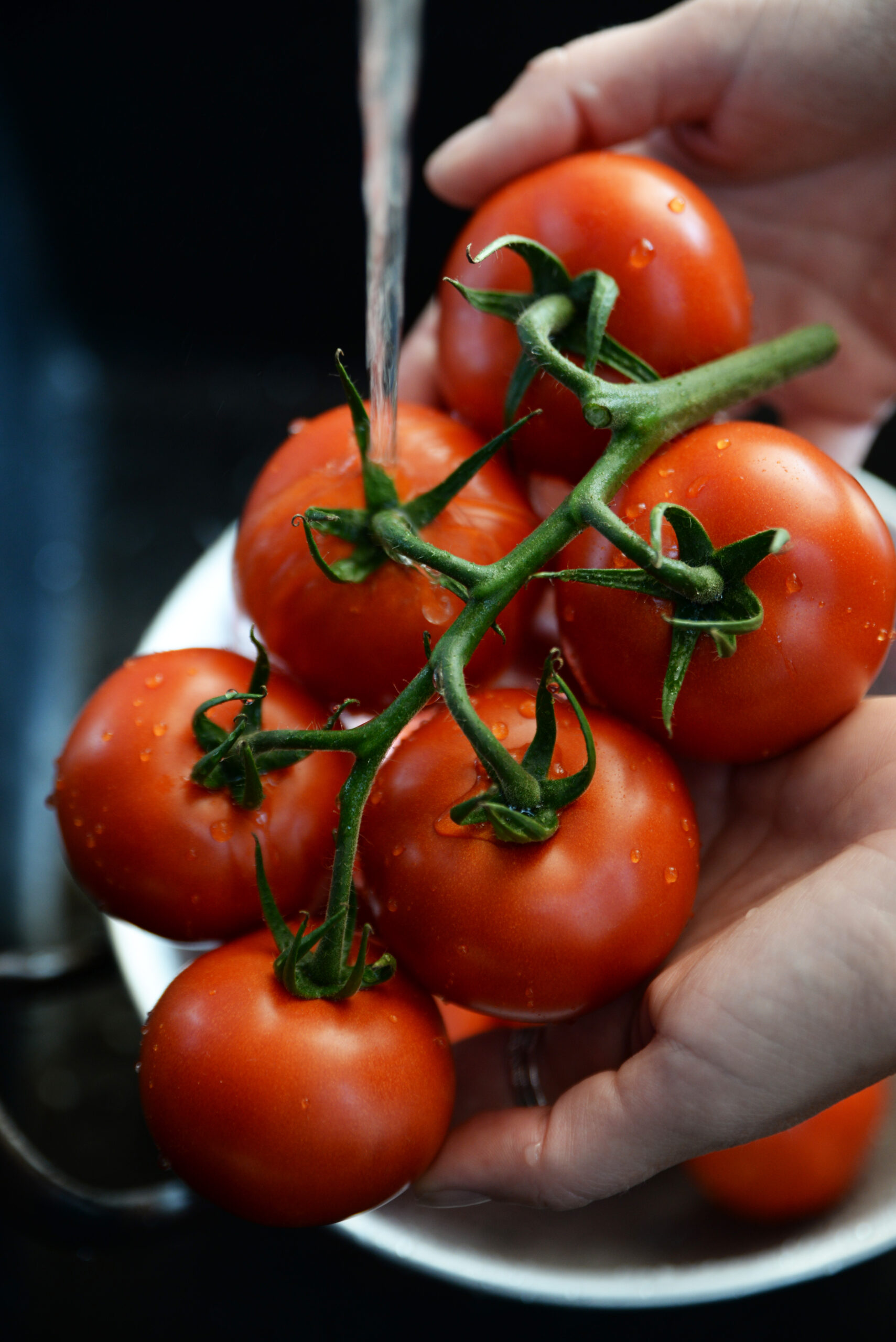
TENTADERO is the tomato that captures hearts from the very first bite. As a renowned Fan Favourite, this variety stands out for a simple reason: it is the best-tasting tomato, delivering a flavour that continues to surprise — bite after bite.
TENTADERO offers a rich, balanced taste experience that elevates everyday meals and inspires culinary creativity. Its eating quality is at the heart of the variety, making it a top choice for consumers who value flavour above all else.
Beyond taste, TENTADERO is bred to perform reliably throughout the fresh chain. Its consistent quality and freshness help ensure the tomato reaches the consumer in peak condition, supporting enjoyment from harvest to plate.
With its strong focus on flavour and fresh-chain quality, TENTADERO proves that performance is not only measured in the field — but also at the table.
At Hazera, we celebrate our dedicated team, who work passionately alongside our growers to nurture the best products. While we spotlight our innovations, it’s our Hazera family who drives our shared success. Today, we’re thrilled to shine the spotlight on Ruaan Lerm, National Sales Manager for South Africa.
Ruaan Lerm is born and bred in South Africa, where agriculture flourishes deep in the community’s roots. “In South Africa, agriculture is in our blood,” he explains. However, his journey to our seed industry was anything but conventional.
Before joining our Hazera family, Ruaan spent ten years as a professional rugby player. It was during the global COVID-19 lockdown, while working on a farm and away from rugby, that Ruaan truly discovered his passion for agriculture. “It put a lot of things in perspective for me regarding my passion,” he recalls. “I realised I wanted to be in agriculture. I wasn’t sure how yet, but I knew that was where I belonged.” Not long after, he decided to leave professional rugby when he learned his wife was expecting their first child.
While working as a professional hunter, Ruaan was made aware of a position at Hazera. Ruaan joined Hazera nearly five years ago as a Product Development Manager, focusing specifically on carrots—a crop that, at the time, faced challenging prospects in the region. “When I started, I inherited a portfolio where the outlook wasn’t bright. People said we didn’t have new products.” Through unwavering dedication, that narrative has transformed completely. “Today, carrots are our top crop in South Africa,” he shares proudly.
Recently promoted to National Sales Manager, Ruaan now leads our entire South African sales team while nurturing close partnerships with key customers. He credits his background in high-performance sport for his collaborative approach to leadership: “Rugby taught me discipline, teamwork, and how to handle pressure. I still need these skills in my job today.”
If you had to explain your job to a 5-year-old, how would you do it?
Ruaan laughs, admitting this is a challenge he faces at home with his own daughters, aged two and four. “My four-year-old still believes I am a farmer,” he smiles. “I tell her: ‘Daddy is not the farmer. Daddy helps to select the best genetics.'”
He uses a relatable analogy to break it down: “I try to explain it by looking at family. Like sisters—they have similar genetics, they come from the same parents, but they are not exactly the same. One might be taller, one shorter. We select the specific one that’s best for the farm. That’s how we ensure our vegetables grow strong and healthy.”
What’s something you’ve learned during your career at Hazera from working with colleagues or partners from different cultures?
“For me, the most important lesson has been to listen,” Ruaan says. He notes that while agricultural challenges like climate change are universal, our solutions are often culturally distinct.
“Everybody has the same problems, but everyone has a different response or way of dealing with them,” he explains. “I’ve learned to listen to the situation first. Sometimes, someone from a different culture offers that one missing puzzle piece. A perspective you hadn’t thought of, that makes finding our solution much easier.”
What’s the most unusual or memorable thing that’s ever happened to you in your career?
For Ruaan, the most memorable parts of his career are rooted in the people he’s worked with and the potential they’ve unlocked together. He is thankful for the guidance and support of three key mentors who shaped his journey at Hazera.
Corniel Louwies, General Manager, taught him the vital importance of business acumen. Johann Pretorius, National PD Manager, sharpened his focus on the intricate details of product development. Meanwhile, Anton van der Merwe, then National Sales Manager, showed him how to walk side-by-side with Hazera’s partners.
One notable success story for Ruaan is tied to a carrot variety that was initially set to be discontinued. “I asked if I could at least take the available samples and start working with them in trials.” Through careful observation and perseverance, he uncovered its potential. “That specific carrot is now our fifth-largest contributor to sales in Hazera South Africa. It went from being written off to being a top performer and I take pride in that.”
If you could look ahead 10 years, what change in your job field would excite you most?
Ruaan envisions a future driven by data and seamless integration. “The biggest innovation I look forward to is the technology integration between challenging situations and communication,” he says.
He sees a shift toward real-time partnership, where growers have immediate data on what their crop needs, be it irrigation or fertilisation, unified in one system. “I’d love to see programmes that help with forecasting where a grower can input data on a crop failure or success, and it feeds directly into our systems. Bridging that gap with technology excites me.”
What makes you proud to work at Hazera and Limagrain?
Reflecting on his role, Ruaan shares a sentiment he once heard from a mentor in our industry: “We sell hope.” When asked if he ever misses rugby, Ruaan admits, “Yes, I do miss the physical contact sometimes—you can get your frustration out quite easily.” However, he is quick to highlight what he enjoys most about his current work: “I still work with people. I’m not tied down to an office. There’s a lot of interaction with people and that’s what I really enjoy.” Building relationships, collaborating with diverse teams, and the daily variety keep his work both meaningful and fulfilling.
“The work that we do doesn’t destroy anything,” Ruaan concludes passionately. “Everything we do is about creating life and nourishing populations. It’s a truly meaningful business, and our mission is to enhance the earth. That is what sets our seed industry apart, and it is a big honour for me to be part of Limagrain. Inclusiveness is at the heart of what makes Hazera and Limagrain special. Everyone plays a vital role in our shared success, and it’s this spirit of collaboration that I truly enjoy.”
A Week in the Life of a Trial Officer – Rainier Peters
Posted on May 06, 2026
As a Trial Officer in the Benelux, I spend a lot of my time in the field, collaborating with our team and partners to develop reliable crop solutions that deliver consistent yields and high quality. Each week brings new challenges and opportunities to support our growers. Here’s a look at a recent week in my field operations.
Tuesday – Monitoring leek trials
My colleague Rick and I began the day inspecting our leek planting trials. The growing season has been mild so far, and the crop emergence looks very promising. We monitor trial plants across multiple locations and sowing dates, alongside commercial crops, to identify the varieties that provide the uniformity and resilience our growers need. We’re looking forward to evaluating and eventually harvesting these crops to share the proven results.
Later in the day, I headed home, where I often work remotely. I’m a bit of a gaming nerd and even built my own PC, complete with an oversized screen. While I love gaming, the setup is also great for work. I use it to create trial plans, result overviews, and presentations, making it easy to switch between tasks.
Wednesday – Exploring a production location
Today, I visited one of our production sites with my colleague Frans to learn more about the processes behind our operations. It was a fascinating and educational experience, reminding me of my university days spent conducting crop pollinations. Interestingly, we are now experimenting with using flies instead of bees for pollination. This method, which my old professor also tested, has shown great results so far. Flies are proving to be more resilient and have lower mortality rates in controlled environments.
Afterward, I delivered boxes of sweet corn seeds for a trial featuring two different sowing dates. This trip was special for me, as the delivery was in Prinsenbeek-Haagse Beemden, the area where I grew up and spent my childhood exploring the outdoors.
Thursday – Evaluating plant material & leek podcast
The day started with a visit to check the plant material of our trials. It is important to do checks on the seedlings, irregularities during this stage can explain odd results at evaluation. These visits also allow me to engage directly with plant raisers to discuss market-dominant varieties. Their feedback helps us select the best comparators for our trials, ensuring our seeds meet market demands and perform in real-world conditions.
In the afternoon, I headed to our headquarters in Made to record the first episode of our new podcast. The Marketing Communications department reached out to me for the role as host of the podcast. I had never done anything like that before. As a prisoner of the highway, I am frequently part of a podcast as audience, so it seemed interesting to mix things up. I can be quite a talker, so it seemed like a good fit. However, it is not as easy as it looks, I do enjoy the progress we make with every recording.
Friday – Flexibility in the field
I wrapped up the week by traveling to Germany to plant a new broccoli trial at a customer’s field. It was a long drive, but the weather was perfect, and everything went smoothly. While I had a meeting scheduled that day, agriculture doesn’t always follow a fixed schedule. Weather and soil conditions often dictate planting times, and trial plants need to get into the ground as quickly as possible for optimal performance. Flexibility is key in providing effective field support.
Monday – Fennel trial & chicory podcast
Rick and I set off to East Brabant at 7:00 AM to plant a fennel trial. Fennel requires precision and care, as young plants are especially vulnerable to strong winds, which can twist their stems and block sap flow. We ensured the plants were secure to give them the best start possible.
Later, I returned to Made for another podcast recording. This recording was for the second episode and we introduced new guests. The topic was Witloof (Chicory) and it was a great discussion about the crop, I am still learning a lot about our products thanks to my skilled colleagues. I am already looking forward to the next recording!
DIMITRIOS – A Most Improved Player in short day red onions
Posted on May 06, 2026
DIMITRIOS represents the next step forward in short day red onion production. Developed to improve performance under challenging conditions, this variety combines high yield potential with strong tolerance to foliar diseases, helping growers achieve more stable and profitable crops.
In environments where high humidity and heavy rains often increase disease pressure, DIMITRIOS shows reliable field performance. This improvement allows growers to manage the crop more easily and maintain productivity in seasons and countries, such as Greece and Ecuador, where onion production was previously more difficult.
The variety delivers high yields together with consistent bulb quality, while its storage potential of two to four months provides flexibility after harvest. This combination supports better planning, improved market opportunities, and greater confidence throughout the season.
For many growers, DIMITRIOS has meant the difference between uncertain results and dependable production. Expanded sowing windows, easier crop management, and stronger performance in the field make this variety a clear step forward compared to previous standards.
Better tolerance. Better yield. Better control in the field.
At Hazera, we are proud of our dedicated team, which works passionately to provide our growers with the best products. While we tend to put our products in the headlines, it is the Hazera team who are behind our success. Let’s shine the spotlight on Denis Tsilibin, Product Development Manager for Central Asia.
Denis Tsilibin grew up in Tashkent, Uzbekistan, where he discovered his love for gardening on his family’s 40-square-metre vegetable patch. He fondly recalls spending springs and summers with his grandfather, growing fruit trees, flowers, and vegetables. Family has always been central to Denis’s life, with his parents, brother, wife, and two children supporting him throughout his journey.
His path to the seed industry came about through a chance encounter. After college, while holidaying in the mountains, Denis met an agronomist working for a seed company. “He told me about his job, working conditions, and so on. I was very interested in listening to him and immediately remembered my childhood,” Denis says. Just a week later, he interviewed for a sales manager position, launching a career in the seed business that began in 2008. While he officially joined the Hazera team as Product Development Manager for Central Asia in April 2024, he spent the previous nine years developing Hazera’s assortment as part of the distribution team in Uzbekistan. Outside of work, Denis stays active with sports and fishing, which he believes build the discipline, focus, and endurance needed for his fieldwork and travels.
If you had to explain your job to a 5-year-old, how would you do it?
Denis views his role through a lens of service and utility. “My job is to help people—farmers, nurseries, and all our customers—and do useful things,” he explains. “Every day I learn something new, make decisions, and try to do everything well so that the result is useful to others.”
What’s something you’ve learned during your career at Hazera from working with colleagues or partners from different cultures?
Working at Hazera has taught Denis the value of flexibility and listening. “I learned to better understand people from different cultures—their approach to work, communication, and decision-making,” he says.
He summarises his philosophy on cross-cultural collaboration with a simple equation: “Respect + curiosity + patience = success.” For Denis, differences are not obstacles but sources of growth. “Be open, listen more than you speak, and don’t be afraid to ask simple questions. Show respect for your colleagues’ traditions. Differences are a source of new ideas.”
What’s the most unusual or memorable thing that’s ever happened to you in your career?
Over the past eight years, Denis has helped significantly expand the commercial range of tomatoes and cucumbers. “We have established trials in all seasons throughout Central Asia,” he notes, highlighting how distributors have now started purchasing seeds based on these successful introductions.
Denis also points to his early days at Hazera as a unique stage where he could fully utilise his skills to change regional operations. He recalls a time when conventional marketing wasn’t working for a new tomato variety launch. “I decided to take a creative approach—I organised a colourful promotional campaign and personally participated in the product presentation, even dressing up as a tomato!” he laughs. “This immediately attracted customers’ attention, created an emotional connection, and helped to quickly increase interest.”
If you could look ahead 10 years, what change in your job field would excite you most?
Looking to the future, Denis sees his field becoming a powerful tool for transformation. “I imagine that technology and new approaches will allow us to not only work more efficiently, but also to create truly innovative solutions that change the lives of customers and partners,” he says.
He is inspired by the prospect of shaping new industry standards. “Most importantly, it is the feeling that my work has a long-term effect, brings real benefits, and leaves a noticeable mark that I can be proud of.” For Denis, the future is one where professional growth and innovation go hand in hand, filling his career with energy and meaning.
A Week in the Life of a Market Development Manager – Nick Bolton
Posted on Apr 01, 2026
At Hazera, building strong connections across the fresh produce chain is key to bringing great varieties from seed to shelf. As Market Development Manager – Fresh Chain at Hazera UK, I work closely with growers, importers, and retailers to ensure Hazera varieties deliver the quality, taste, and reliability that today’s market demands.
This particular week took me to Fruit Logistica in Berlin, one of the world’s most important fresh produce trade events. The event is unique because it brings retailers, growers, importers, and seed companies together in one place, creating opportunities for conversations that shape the future of the supply chain.
With the UK market spending £14.2 billion annually on fresh produce, and tomatoes ranking as the second most important category after apples, it’s a key opportunity to engage with partners and strengthen Hazera’s Fresh Chain projects. My main focus during the event was to connect key customers in the tomato and watermelon supply chains with members of Hazera’s international team, from colleagues supporting production regions to our global Fresh Chain experts.
Wednesday – Meetings, tastings and industry connections
My first full day at Fruit Logistica started early, preparing the Hazera meeting room with a selection of tomatoes and mini watermelons ready for customer discussions and tasting sessions.
The first meeting of the morning was with a major fruit importer supplying a leading UK retailer, ASDA. Together we evaluated Excelsior, a mini watermelon variety imported from Brazil. By cutting the fruit open during the meeting, we were able to assess the taste, sweetness (Brix), and internal quality together.
The feedback was extremely positive.
These meetings are very practical. We taste the fruit together, evaluate the quality, and discuss what retailers are looking for in the coming seasons.
Later meetings focused on high-tech tomato production and mini plum varieties, bringing together our UK customer, Thanet Earth and Hazera colleagues involved in tomato breeding and production programmes. Again, tastings and Brix testing were key to evaluating varieties for the UK market.
One of the most important meetings of the day was with representatives from Tesco, the UK’s largest retailer with around 30% market share. Their feedback is incredibly valuable when it comes to shaping future fresh produce offerings.
By the end of the day, I had participated in seven back-to-back business meetings, covering everything from tomato production to Fresh Chain projects and future variety introductions.
Thursday – Fresh Chain collaboration
The second day began with discussions with a major fresh food processor, Bakkavor who supply ready-to-eat salads and fresh-cut fruit to retailers.
We focused on mini plum tomatoes and watermelon varieties suitable for fresh-cut applications, where firmness, colour, and taste are critical to maintaining product quality.
Another important meeting brought together a premium UK retailer Marks & Spencer and one of its major tomato suppliers. Together with our colleagues from HM Clause, we evaluated several tomato varieties, including a promising red mini plum variety currently in development.
Being able to sit down together, taste the fruit, and discuss the breeding programme behind it really helps move projects forward.
Later that day we turned our attention to watermelon production projects in new growing regions, including Egypt and Serbia. Together with Hazera’s global watermelon product expertise, we discussed technical aspects such as planting density, pollination strategies, and crop management.
The goal is to develop new production regions closer to European markets, reducing transport distances and delivering fresher produce with a lower carbon footprint.
The day finished with meetings with one of the UK’s largest tomato producers, where we explored new varieties including yellow cherry tomatoes and mini plum types for future retail programmes.
Friday – An unexpected journey home
The final day didn’t go quite as planned.
Heavy winter weather caused major disruption at Berlin Airport, which eventually had to close. With flights cancelled and thousands of visitors stranded, we had to improvise.
In the end, the solution was a six-hour drive across Germany to Cologne, where I was eventually able to catch a flight back to the UK.
It definitely made the trip memorable.
A successful week for fresh chain
Despite the travel challenges, this was probably the most successful Fruit Logistica I’ve attended.
We held numerous meetings with retailers, growers, and importers, strengthening relationships and advancing several Fresh Chain projects.
One of the biggest milestones was meeting directly with major retailers—something that isn’t always easy to arrange at such a large international event.
For me, it shows that Hazera’s Fresh Chain approach is gaining real momentum. Retailers and producers increasingly want to work closely with seed companies to develop varieties that perform well across the entire supply chain.
With new partnerships forming and promising varieties under evaluation, the week highlighted how collaboration across the fresh produce industry helps deliver better quality, better taste, and better solutions for growers and consumers alike.
ToBRFV resistant varieties are now widely expected across the industry, but protection alone is not enough to secure a successful crop.
At Hazera, we believe growers do not have to choose between resilience and results. Tomato varieties must combine healthy plant growth, high and consistent yields, uniform and market-quality fruit, strong agronomic stability, and excellent shelf life, performing constantly and reliably season after season under changing production conditions.
This belief is the foundation of Hazera’s ToBRFV-resistant tomato portfolio, where performance drives protection. From the earliest days of the ToBRFV challenge, Hazera has invested in breeding solutions that combine high agronomic performance with effective resistance, pioneering an approach centered on the balance between performance and protection. Today, that long-term vision is expressed in a diverse, evolving portfolio built for real-world growing environments.
Hazera’s ToBRFV portfolio includes a broad and continuously expanding range of varieties and tomato typologies based on some of our well-performing varieties without resistance, bringing the traits growers know and trust together with the added protection they need.
In the mini plum segment, new varieties such as Nemeton and Draconor complement established types like Pendragon and Windsor, all of them part of the “Tomatoes that work for you” concept offering “less labor, less waste, more quality” through improved resistance, high yield, uniform fruits, long shelf life, and strong plant vigor, making them ideal for snack tomatoes and versatile market uses.
In the yellow cherry segment, Summer Cool and Summer Soul deliver bright color, premium eating quality, high yield, and consistent fruit size, meeting the growing demand for vibrant, flavorful cherry tomatoesa and broadening the options available to growers and retailers alike.
Building on our trusted heritage varieties, Maggie Pro extends the well-known Maggie program with added ToBRFV resistance, maintaining the taste profile, market appeal, and reliable performance growers have relied on for years. Other examples include Feelotimo, and Donneluce, both beef types, Montefiore, cherry round cluster type; and Pinknova, pink tomato, each combining the strengths of their classic predecessors with virus protection.
As the needs of growers continue to evolve, Hazera remains focused on delivering tomato varieties that bring together great performance and strong protection. Through ongoing breeding innovation and a strong pipeline of future introductions, Hazera is committed to helping growers move forward with confidence; today, tomorrow, and in the seasons ahead.
At Hazera, we are proud of our dedicated team, which works passionately to provide our growers with the best products. While we tend to put our products in the headlines, it is the Hazera team that drives our success. We believe it’s important to reflect on the contributions of women who are planting the seeds for a brighter future. So in honour of International Women’s Day, we are interviewing Milena Vulcheva, Deputy CEO of Hazera. We sat down with Milena to discuss her journey and her hopes for a world where women lead with confidence as the norm, not the exception.
Milena grew up in Bulgaria, where her love for agriculture began on her grandparents’ farm. With a career spanning over 20 years across diverse roles in the agriculture and food industry, Milena holds a Business Administration degree and an MBA from ESADE Business School. Now Deputy CEO at Hazera, she focuses on enhancing the organisation’s strategic direction and operational excellence. “I really value the team’s passion and commitment. With its agility, strong focus, and investments in vegetable seeds, the company is well positioned for exciting growth ahead.”
Over the years, Milena’s career has taken her to Spain, Switzerland, Portugal, and Uruguay, and now she resides in the Netherlands with her husband and daughter. While the weather can be gloomy at times, they enjoy living there because of the welcoming people. When she’s not working, Milena enjoys skiing, biking, and exploring new cultures with her family. She is also an avid reader of various genres.
If you could explain why your work matters in a way that inspires the next generation of girls, what would you say?
“My work matters because every day I help shape an organization that feeds communities and gives people access to healthy, tasty vegetables. But the deeper meaning of my work goes back to my childhood, standing in my grandparents’ farm,” she explains. “My grandpa used to tell me, ‘If you take good care of planting the seeds, they will grow into something that nourishes others.’ Only later did I realize how important this is in leadership.”
She now applies that lesson by helping ideas, people, and teams grow. “In the vegetable seeds industry,” she notes, “the decisions made today directly influence future food security and livelihoods.” Milena’s role as Deputy CEO allows her to empower talent and convert potential into tangible outcomes.
When speaking to the next generation, Milena’s message is clear and direct: “Your voice matters. Your ideas matter. And leadership begins with the courage to take the first step.”
What’s the boldest or most defining moment in your career that made you proud?
For Milena, one of the most defining moments of her career was accepting the role of Deputy CEO at Hazera. “I stepped into the role at a time of transformation, when the organization needed clarity, cross-functional alignment, and renewed confidence. I knew the expectations were very high, and the path ahead would require difficult decisions and courageous conversations.”
Looking back, she says her pride comes not from the title, but from having the courage to trust her experience, instincts, and ability to unite people around a shared goal. “From day one, I committed to listening deeply, tackling difficult topics with honesty, and empowering teams to bring Hazera to the next level. That reaffirmed something essential,” Milena continues, “leadership isn’t about having all the answers; it’s about facing uncertainty with conviction, inviting others to walk with you, and creating the conditions for people to rise.”
What advice would you give to young women who want to succeed in your field?
Milena shares several core principles that have guided her career. She first stresses the importance of self-belief. “In agriculture, seeds grow when they’re nurtured,” she says. “Your ideas work the same way. Speak up with courage.”
She also advises young women to stay curious and learn the business from end to end. “The field connects science, innovation, farmers, and global markets. The more you understand the full picture, the more confidently you can lead.”
The value of building a strong network shouldn’t be underestimated either, according to Milena. “Surround yourself with people who lift you higher and learn from everyone. Seek mentors and peers who challenge and support you — and be that person for others as you grow.”
Milena encourages embracing difficult moments as opportunities for growth. “Courage,” she says, “builds real leadership. But above all, authenticity is key. Be yourself. Your authenticity is your advantage. It will eventually bring you to work in the right place with the right people.”
In conclusion, Milena encourages young women not to be afraid to take the first step. After all, opportunities open for those who move with purpose.
Looking ahead 10 years, what change for women in your field would make you most excited?
What would excite Milena most is seeing women in agriculture leading with confidence as the norm, not the exception. “I envision a future where women’s expertise is recognized and their leadership is integral to shaping strategy and global food security.”
“Another important change we must see, especially in developing and underdeveloped countries,” Milena continues, “is real access to education and equal pay for women in agriculture. I’ve met women whose determination reminded me why I chose this field, yet their opportunities were limited simply because of where they were born. When women are able to learn, earn, and grow on equal terms, entire communities rise with them. When more women feel free to use their voices, trust their ideas, and step into bold roles without hesitation, it will be one of the most meaningful changes our industry can achieve.”
WINDSOR is a mini plum tomato bred to change the rules of modern tomato production. Combining labour-saving characteristics, reduced food waste, and resistance to ToBRFV and Pf, WINDSOR addresses some of the most pressing challenges growers face today.
With its uniform fruit size, WINDSOR is easy to manage throughout cultivation, harvest, and packing. This results in fewer handling steps, reduced labour input and a more efficient production flow. It also maintains outstanding crunchiness well after harvest.
WINDSOR’s strong fruit quality supports a reduction in food waste across the supply chain. Consistent mini plum fruits and reliable resistance help maintain quality from the greenhouse to the market, minimising losses and improving overall sustainability.
With its combination of efficiency, resistance and waste reduction, WINDSOR stands out as a true Gamechanger in the mini plum segment.
A Week in the Life of a Marcom Manager – Tamara van den Berge
Posted on Feb 11, 2026
As a Marcom Manager at Hazera, I oversee marketing and communication activities across the Benelux region. From content and campaigns to PR and event organization, every week brings new challenges and opportunities. This particular week revolves around one of the larger events in our calendar: the Agro Expo in Roeselare, West Flanders (Belgium). Here’s a behind‑the‑scenes look at my workweek.
Monday – Setting the stage
We’re pleasantly ahead of schedule with our Agro Expo preparations. Normally, we’d finalize the last details with the sales team today, but since they’re in Poland for a training, we already did that last week and our meeting is cancelled today. The extra breathing room allows me to refine the packing list and review logistics.
Meanwhile, another event is approaching: the Cauliflower–Broccoli Contact Day in Mijnsheerenland (the Netherlands). For both events—and for one in February—I ordered new roll‑up banners to complete our assortment for a number of crops. I unpack them, check the prints, and everything looks spot on.
And there’s more to review: we also received our newly printed, more eco‑friendly leaflets. The team and I are very happy with the quality.
The rest of the day involves updates to the Dutch website, exploring new AI tools, and briefing our advertising agency together with a colleague for another important event later this year: the International Open Days in September.
Tuesday – Content, coordination & creativity
The stand builder starts setting up the booth today. Since the location is more than two hours away, I’m not on-site to supervise, but with our longstanding partnership, I know the job is in good hands.
My own schedule is filled with other communications work. I finalize an article with our customer, TOP The Onion Group, and send it for approval. I update the website and the social media calendar, and we hold our weekly marcom meeting to review all ongoing activities.
Towards the end of the day, I prepare the items I’ll need to take to Roeselare later in the week. It’s quite a lot, despite having already sent several items with colleagues, so I ask a retired colleague whether I may drop off additional materials on Thursday. She happily supports us at events—and we’re very grateful for her help.
I end the day on a creative note: stamping our vegetable display crates with the Hazera logo.
And even better news: the stand builder sends photos. The booth is already fully built!
Thursday – Final preparations in full swing
After a day off on Wednesday, today is all about wrapping up the final details.
In the morning, I pick up the rental coffee machine and, together with a colleague, load several boxes of goodie bags. I deliver them to my retired colleague and once my car is empty again, it’s time to load the rest of the equipment. It takes some puzzling, but everything fits perfectly. And there’s even space left for my suitcase.
Before finishing the day, I run through the packing list once more, check the event script, and note the last action items for Friday. I also prepare the necessary materials for colleagues attending the Cauliflower–Broccoli Contact Day so they’re fully set for their event as well.
Friday – On the road
In the morning, I collect fresh flower arrangements and clear out my inbox. With the out‑of‑office message switched on, I head to Roeselare, where I meet my colleague.
When we arrive, the high tables and chairs are already in place, so we start setting up the booth right away. It turns out that our table skirts don’t fit perfectly. Fortunately, with some creative thinking—and the tyraps we brought along—my colleague finds a neat solution.
The water connection isn’t yet operational, so some checks have to wait. After the drink delivery arrives, we store everything securely and lock the stand. My colleague heads home, and I drive to the hotel where I’ll stay until Monday.
Saturday – Opening day
It’s the first official day of the event, something we’ve been preparing for months. We arrive early to vacuum, clean, and set everything up. The water issue is resolved just in time.
My responsibilities throughout the day include creating content, helping colleagues during busy moments behind the bar, and welcoming visitors. Together, we keep close track of stock levels and arrange extra orders when needed.
Unfortunately, we need to send a colleague home due to illness. These things happen, and we reorganize internally while keeping her updated.
Our Commercial Manager BNL visits the event today, and together we tour the exhibition hall to gather inspiration and see how others present their stands. I jot down several ideas and improvements for future editions.
Later in the afternoon, the Flemish Minister of Agriculture, Jo Brouns, also visits our stand, something that both visitors and our team highly appreciate.
Sunday – A Busy and lively day
The second day is traditionally the busiest, and that certainly proves true. Before the doors officially open, we already welcome visitors who attended a breakfast session at the event. Thankfully, we were well prepared.
The booth is lively and crowded throughout the day. I take plenty of photos and videos and ensure everything behind the scenes runs smoothly. Despite one missing team member, we manage the day seamlessly.
Monday – Final day & teardown
We expect another strong turnout for the final day. We arrive early once again, and before the event opens, I take a quick walk around the exhibition hall for some last inspiration. Colleagues at the office are eager to hear how things are going, so I keep them updated through Teams.
Around midday, I begin working on the after movie and start drafting this article. I remain available for the team, but everything is running smoothly.
After closing time at 19:00, we begin dismantling. We return unused drinks to the catering service and load the cars.
Before we drive home, we reflect on a successful and inspiring event. It was my first time attending the Agro Expo, and I learned a great deal—both in the run-up and during the event itself.
Next week, we’ll schedule a team evaluation. But for now: time to head home!
A Week in the Life of a QA Specialist – Masha Nadav
Posted on Feb 10, 2026
NAL External Audit at Hazera
The annual NAL external audit is one of the most important milestones in our QA calendar. It’s an intense, detail-oriented week that requires accuracy, teamwork, and readiness across every department.
NAL stands for Naktuinbouw Authorized Laboratory. Its accreditation ensures that seed testing laboratories operate with high reliability and quality standards.
The goal is to guarantee that seeds meet strict quality requirements before commercialization, providing confidence to customers and regulatory bodies. This accreditation reflects compliance with Naktuinbouw conditions and international protocols for seed quality testing.
I approach this week together with Michal Efrat – Quality Assurance Manager IL, whose experience and guidance are essential in ensuring everything runs smoothly. This is how our audit week unfolded.
Sunday – First preparations & system alignment
As the workweek begins on Sunday, the NAL audit preparations are already underway. Together with Michal, I review the full audit plan and prioritize what needs attention before the auditors connect.
Our focus areas include:
Ensuring all documentation is updated and easily accessible
Reviewing corrective actions from previous audits – both internal and external
Validating training files and operator competencies
Confirming traceability across the labs and the processing plant
Having conducted remote audits consistently over the past three years, we are well-versed in NAL’s expectations and highly experienced with both the process flows and the technical challenges associated with remote audits. All our remote audit equipment – a clearly time-lined agenda in Teams, phone camera, Jabra speaker, and backup devices – is prepared in advance so we can concentrate fully on content rather than logistics.
Sunday ends with a solid overview and clear direction for the next day.
Monday – Documentation completion
Monday is dedicated to advancing one of our most important long-term improvements: the transition to our new documentation system, WIN. We focus on organizing existing materials, mapping, and ensuring the new structure fully supports daily operations.
The WIN system brings significant advantages to QA and all operational units:
Centralized and controlled — documents are stored in one place, easy to find, and always up to date.
Automated workflows — approvals and updates run smoothly, supporting compliance with ISO, NAL, and corporate standards.
Multi-language support — improving accessibility for all teams.
Smart navigation — links between related documents and role-based access ensure users quickly find only what’s relevant to their function.
This marks a meaningful shift toward more efficient, transparent, and aligned documentation management.
In addition, we schedule a focused session with key departments to address Non-Conformities (NC), support their analysis, and ensure follow-up on corrective actions that drive real change. This collaboration strengthens ownership and improves solution effectiveness.
By the end of Monday, we’ve made strong progress: the documentation system is well-structured, and teams are aligned on actions, setting a solid foundation for the upcoming audit and future improvements.
Tuesday – Audit day 1: Health Lab
The first audit day starts with an unexpected twist: one of the professional auditors is sick and unable to join. Fortunately, a replacement is arranged quickly, and we begin the session without delays.
Using all the tools, the auditors are guided through the Health Lab.
Focus points include:
Sample reception & labeling
Equipment qualification
Method demonstration
Training files for each Health Lab technician
Documentation and data integrity
We also make sure to show as many Health Lab methods as possible within the time frame, giving the auditors a complete and realistic view of our routine QC work.
The day ends with positive feedback – a good start.
Wednesday – Audit day 2: Germination Lab
The second day focuses on the Germination Lab.
We demonstrate:
Accredited germination methods
Environmental monitoring
Scoring and record keeping
Sample identification
Training and qualification of germination technicians
We walk the auditors through multiple workflows, ensuring they get a full picture of our capabilities.
Thursday – Audit day 3: Processing Plant
The final day of the audit focuses on the Processing Plant, with a more targeted and concise scope.
The auditors review two core methods:
TSW (1000 seed weight)
The sampling process
We demonstrate both methods clearly through the remote setup. The auditors also place strong emphasis on two essential QA elements:
Training and competency of plant employees, including qualification for each task
Equipment calibration and maintenance, ensuring accuracy and reliability over time
The team provides all required documents and explanations, and the session flows smoothly from start to finish. The auditors show strong engagement throughout, and the review concludes on a positive note, reinforcing the solid work and professionalism of the plant team.
Looking back
This NAL audit week was intense but deeply rewarding.
Working closely with all the operational teams from QC and the processing plant showed once again how much preparation, communication, and teamwork matter.
The effort was truly cross-functional, connecting QA with every part of the business to ensure compliance, efficiency, and customer trust.
Despite the limitations of remote auditing, we provided a complete, transparent, and confident demonstration of our work. We can proudly say: It was a successful audit and a valuable learning experience – The observations shared by the auditors will help us further improve our processes to ensure the highest quality of operations and products before delivering seeds to our customers.
For more than thirty years, TOP The Onion Group has been a leading player in the production of first-year onion sets and the export of onions for consumption. What sets the company apart? A strong focus on quality and healthy starting material.
“We do everything we can to grow our onion sets as healthy as possible,” says International Sales Manager Erwin Groen. “That’s why TOP is the only company working on virgin land in northern France. This results in healthy products that growers can truly rely on.”
A shared ambition for quality and sustainable breeding
Over the years, the focus on quality at both Hazera and TOP The Onion Group evolved into a broader ambition. After years of working together in practice, it became clear that more could be achieved through closer collaboration. That shared conviction brought both parties together in an exclusive partnership.
“Hazera is one of the few companies truly involved in breeding varieties specifically for onion sets,” Erwin explains. Rather than adapting existing varieties, Hazera focuses on targeted breeding. According to Erwin, this is exactly where Hazera’s strength lies. “Many players try to tailor varieties to the market without a solid breeding program behind them. These varieties often originate from countries such as Australia or Japan. A variety that performs well there may struggle under Dutch conditions. We want varieties that are reliable, perform when it matters, and fit local growing conditions. That’s why it’s so important to develop varieties in the same environment where they are ultimately grown.”
The partnership therefore goes far beyond seed alone. “We are in close contact and share everything,” Erwin explains. “From market developments to feedback from growers. Together, we look years ahead and proactively address challenges such as disease resistance, drought tolerance, and fusarium.”
For Erwin, it’s clear: “Together, you are stronger. This collaboration enables us not only to offer better varieties, but also to safeguard quality and reliability for growers.”
Top performance within the onion set portfolio: Crusado and Akado
Within the current onion set portfolio, several varieties clearly stand out among TOP customers, including Crusado and Akado. “Crusado is, in our view, one of the best varieties in the early segment today. It is clear that breeding has focused on achieving the optimal combination of early harvest, high yield, good storability, and strong root development. Thanks to its powerful root system, Crusado is also better able to cope with drier conditions,” Erwin explains. “Crusado has meanwhile become a real favorite among many onion growers: the variety delivers high returns and, thanks to its excellent quality, is also very suitable for export to overseas destinations.”
Akado is a true standout in the red segment, mainly because this variety does not require heat treatment. “Akado is the only red variety currently available on the market for which this treatment is not necessary. Normally, red varieties are prepared through a treatment with high temperature and humidity to prevent the onions from forming seed stalks,” Erwin explains. “Although this preparation is effective in preventing bolting, it has the drawback of increasing the risk of bacterial rot. As a result, many growers have stopped producing second-year red onions. We believe these bacterial issues are largely linked to the preparation process. With Akado, we have found a clear solution. In addition, Akado is also a very early variety, which makes it even more attractive for growers.”
Varieties such as Crusado and Akado illustrate what TOP The Onion Group stands for: reliability, quality, and solutions that work in practice. Combined with the intensive collaboration with Hazera, this forms a solid foundation for continuing to develop onion sets in the future that are tailored to Northern European conditions and the needs of growers.
Introduced in 2006, DORMO has earned its place as a true Rijnsburger classic and one of Hazera’s top-performing onion varieties. Season after season, DORMO delivers where it counts, building a strong reputation in the Netherlands for storage and export.
This variety stands out for its very firm bulbs and excellent skin retention — key qualities that keep DORMO in top shape throughout long-term storage. Under pressure, DORMO performs, making it one of the most reliable onions for extended storage periods.
With the highest net storage return, DORMO gives growers a competitive edge. Strong skin, solid firmness and consistent quality all the way to market make this variety a proven choice for export-focused programs.
At Hazera, we are proud of our dedicated team, which works passionately to provide our growers with the best products. While we tend to put our products in the headlines, it is the Hazera team who are behind our success. Let’s shine the spotlight on Ignacio Lopez, Sales Manager for Latin America.
Ignacio Lopez grew up in Chilecito, a small town in Argentina, where agriculture was part of his everyday life. His roots in farming go back to childhood, helping his father in a water drilling company. “I could see the farmers’ work and how they started growing a little plant that then ended up being the food of somebody. I really loved that,” he recalls.
After studying Agronomic Engineering and completing an MBA, Ignacio joined Hazera. “I thought: if I know the technical part, it’ll be easier for me to go deeper on the business side,” he explains. Based in Buenos Aires, he has led Hazera’s commercial activities in South America and the Caribbean for over three years. Since January 2026, he has taken on a new role as Sales Manager for Latin America, now also overseeing Central America, including Guatemala, Costa Rica, Honduras and Panama. “It allows me to explore an unfamiliar market, understand its dynamics, and deliver the results we need,” he says. “My goal is to elevate our Latin America region to a higher level of market positioning.”
Outside work, family comes first. Ignacio is the proud father of a one-year-old daughter, whom he calls his Princess. He enjoys travelling with his partner, discovering new food, and sports. “I’m a BBQ enthusiast and a sports lover. I enjoy running, which I can do when I’m travelling,” he adds.
If you had to explain your job to a 5-year-old, how would you do it?
Ignacio smiles before answering: “I really love this question because maybe I even have to explain it in a couple of years to my little girl.” His answer is simple and playful: “I help farmers to choose the best seeds. If I’d have to compare it, I would say it’s like picking the right shoes to run fast. If you choose the right shoes, you will run fast, and you could win competitions. Helping farmers choose the right seeds means their vegetables grow strong, tasty and healthy.”
What’s something you’ve learned during your career at Hazera from working with colleagues or partners from different cultures?
“It’s always challenging. But it’s also nice to do and this is something that I’m really passionate about,” Ignacio says. His biggest lesson? “Listen first and then adapt.” Latin America is wonderfully diverse with different communication styles and decision-making approaches. “All that can change from one valley to another,” Ignacio explains. Sometimes that means a detailed presentation, other times hands-on in the field, or even a quick WhatsApp voice note. For Ignacio, building trust and respecting local expertise is key: “And celebrate wins together, whenever you can.”
What’s the most unusual or memorable thing that’s ever happened to you in your career?
Ignacio doesn’t hesitate: “We did an event in the last week of October in Peru which we called the Hazera Onion Experience,” Ignacio recalls. The three-day event brought together growers, dealers, buyers and technical experts from across the globe. “Seeing every actor in one place meeting, sharing insights, building new connections… I realised we are on the right track. Collaboration accelerates and multiplies for sure.” The event took over a year to plan and involved 150 participants. “I didn’t do it by myself; I just had a great team that did it. Now we are analysing how to shape this concept for the future – maybe biannually or with other crops like tomatoes.”
One of the reasons Ignacio feels at home at Hazera is the company culture. “When you have an entrepreneurial mindset, Hazera is the right place. You don’t hit walls here, you find bridges instead. That makes it easier to innovate and create impact,” he says.
If you could look ahead 10 years, what change in your job field would excite you most?
“Climate-change is going to be a real challenge in a couple of years. We’re already seeing that now with dry seasons and heat,” Ignacio explains. He also sees technology playing a bigger role: “We have to pair that with digital tools for farmers to predict planting windows, disease pressure, labour needs and even market timing.” AI-supported demand forecasting and data-driven practices will help reduce risk, waste, and cost while improving yield, flavour and shelf life. Helping farmers adapt step by step is something Ignacio enjoys: “I like to show where you can be and why it should be done.”
Which colleague would you like us to interview next?
“I was thinking about Santiago Oliva. He’s the Portfolio Marketing Director of Cucurbits and Peppers,” Ignacio suggests. “He’s really young for the position and has worked in different countries and sectors. It would be interesting to see how he did it.”
Do you want to stay connected with our Hazera people?
Follow us on our social media channels to stay connected with our Hazera people! If you have any questions left, don’t hesitate to ask them via our contact page!
Meet the People Behind the Crops – Heritage Edition: Arthur Zuidweg
Posted on Oct 07, 2025
At Hazera, we value the people who have helped shape our company over the years. In this Heritage Edition, we reconnect with colleagues who have either moved on from Hazera or have been part of our team for many years. Today, we speak with Arthur Zuidweg, Supply Chain Planning Expert. For more than 40 years, Arthur has been an integral part of Hazera’s story.
Arthur began as an assistant bean breeder, coming from a background in garden architecture. Introduced to the seed business by his father-in-law, this step proved life-changing — bringing him not only a lifelong career but also a lifelong marriage. Arthur’s current role is Planning expert within the Supply Chain department.
From beans to supply chain, Arthur has seen it all. “Back in the day, we even did the quality checks ourselves. NAKTuinbouw trained me for this,” he recalls. Beyond work, Arthur treasures his family, with whom he shares many proud memories and joys, including his grandchildren.
What is a common myth about your job or field of expertise?
“There’s a common myth that Supply Chain ‘knows’ everything or can fix every problem. In reality, while we do play a central role — acting as the spider in the web between production, processing, demand planning, and sales — our real strength lies in connecting the dots.” Arthur explains that it’s Supply Chain’s responsibility to bring the right people and processes together. “But it’s important to stress that solving every issue requires collaboration across the organization. It’s never a one-team effort.”
In your opinion, what is the most important personality trait someone should have to work in your industry?
“In Supply Chain, you need to work well under pressure and show resilience. It’s about maintaining a helicopter view while staying calm and collected — especially during the high season, when stress levels can be intense,” explains Arthur.
Tell us about a project you’re proud of and why?
“I’ve been a Supply Chain Manager and Team Lead for more than 12.5 years. Beyond the business responsibilities, I truly enjoyed leading a team — it was a rewarding experience, and I’m proud of the team I had the opportunity to build. The personal connections mean a great deal to me.”
Arthur also benefited from the support of his wife, who managed a large team herself. “Exchanging experiences and learning from each other was inspiring, and she often offered me an invaluable ‘outside-in’ perspective.”
What does “Hazera – Growing Together” mean to you?
“Literally growing together. With a sense of unity and solidarity, we do this as a team — taking care of each other, listening to one another, and showing respect, even in our differences.” Arthur is convinced that that’s very important nowadays.
Tell us something interesting/funny about you most people don’t know.
“In my spare time, I enjoy woodworking with my son. Together, we design and create wooden tables with epoxy. Woodcraft is my hobby, and it’s even more special because I get to share it with him.”
What lessons have you learned in 40 years that you would pass on to younger colleagues?
“Over the years, I’ve witnessed the company’s growth, marked by rising sales and an expanding crop portfolio,” Arthur says. “But beyond the business achievements, the most valuable lesson I’ve learned in four decades is the importance of truly listening. When we listen to each other, we gain deeper understanding. And that’s how we find the best solutions together.”
What do you hope the company will achieve in the years ahead? Arthur doesn’t beat around the bush: “We strive to be the market leader in onions.”
If we opened a time capsule from your first year here, what would we find inside?
“A forklift would be in the time capsule because it symbolises those early years of hard, hands-on work. And,” Arthur continues, “it reflects the practical side of my role, the dedication to keeping everything moving, and the way we all helped lay the foundation for what the company has become today. It’s more than just a machine, it represents reliability, effort, and the essential contribution we made from day one.”
Do you want to stay connected with our Hazera people?
Follow us on our social media channels to stay connected with our Hazera people! If you have any questions left, don’t hesitate to ask them via our contact page!
Meet the People Behind the Crops – Heritage Edition: Wim van der Heijden
Posted on Sep 04, 2025
At Hazera, we value the people who have helped shape our company over the years. In this Heritage Edition, we’re reconnecting with colleagues who may have left the workplace, but whose contributions are still part of our story. Today, we speak with Wim van der Heijden, retired breeder and product development specialist from Kaatsheuvel (NL). Wim played a key role in the development of important crops and helped build the foundation that still supports our work today, a great example of what it means to grow together.
Wim, father of two daughters and grandfather of four grandchildren, worked at Hazera for nearly 40 years before retiring in 2019. After studying at the Higher Agricultural College, he started in 1981 as an assistant breeder in Stompwijk. There, he worked on bush beans, parsley, and other legumes. After about five years, he was transferred to the Tuitjenhorn location, where he spent another five years working as a breeder for radish, and later also for red beet and carrots.
“You can hardly imagine it now,” Wim says, “but back then there was no marketing department. Breeding and sales worked together, which sometimes led to large stocks of seeds that couldn’t be sold.” To improve this, a marketing department was set up. Wim became part of this team as Product Development Specialist for the root and bulb crops, which at that time included nearly all vegetable crops Hazera was active in.
Around 2000, Wim became Product Manager for onions, radish, leek, and red beet, and served as backup for carrots. Until his retirement, Wim remained active as Product Manager. In the last eight years, his focus was mainly on onions and radish. He led colleagues in various countries and worked on defining and developing the traits varieties needed to have.
What is a common myth in your field of expertise? Wim laughs as he recalls a story that used to circulate: “A colleague once said courgette seeds germinate better if you put them under your pillow at night and sow them the next day. Whether it’s true? No idea, but it was a funny theory!”
In your opinion, what is the most important strength someone needs to be successful in your job? Wim doesn’t have to think long. Good collaboration with colleagues and perseverance are, in his view, essential. “With onions, for example, a biennial crop, it takes about six years to go from A to B. It requires a lot of patience and endurance.” He also believes you shouldn’t be too theoretical. “I need to hold a product in my hands to judge whether it has potential. You can’t be afraid to get your hands and feet dirty,” he jokes.
Tell us about a project you’re proud of and why. After a career spanning nearly 40 years, there are of course many projects to look back on. Wim is especially proud of the development of firmness in Hazera onions. He explains that Hazera was one of the first companies to purchase a firmness tester. “Every onion from every line was manually pressed to determine firmness and select the best. That project took about 15 years, but we really hit the mark with it. The Centro and Dormo varieties resulted from it.” Hazera still offers these varieties. And according to Wim, that’s likely to continue due to their unique characteristics. “Also worth mentioning,” Wim adds, “is that Hazera was one of the first to develop downy mildew resistance in onions. That was quite a breakthrough in onion breeding.” Wim has plenty more to say about onions. He enthusiastically talks about Hazera’s growth: “In the Benelux, we started with a 2 to 3% market share in onions. Thanks to the right varieties in terms of yield, firmness, sprouting tolerance and storability, we grew to almost 30%. We completely turned the market upside down.”
What does “Hazera – Growing Together” mean to you?
During the interview, Wim repeatedly emphasizes how Hazera grows as a team.
“Of course you’re never alone. We do everything together with the breeding team, the sales team, etc. We started with a 2 to 3% market share in onions. That’s nothing, right? Farmers didn’t even know us. And to turn that into almost 30%, we achieved that together.” Wim is also proud of what Hazera achieved in radish by working with the same breeders. “Stability is very important, and that’s how you achieve the best results. I had the great privilege of choosing my own people. That’s a big plus, because you always choose people who suit you and have the right background. They were truly committed. That kind of motivation really makes a difference.”Tell us something about yourself that most people do not know.
“What most of my former colleagues probably don’t know,” Wim explains, “is that I always wanted to be a farmer. That never really came up at work.” Since he didn’t come from a farming background, he worked on a farm during school to gain hands-on experience. Wim continues: “That’s where I learned the tricks of the trade. Looking back, it really laid the foundation for my role as a breeder.” Things could’ve turned out very differently though. Originally, Wim planned to go into livestock. But after a crop farming internship, he changed direction. “Yes, I loved it,” he says with a smile. “And believe it or not: I only wrote one job application, and that was to Hazera!” Except for one short detour, Wim stayed until he retired. A career to be proud of!
Do you want to stay connected with our Hazera people?
Follow us on our social media channels to stay connected with our Hazera people! If you have any questions left, don’t hesitate to ask them via our contact page!
Spanish growers have long sought a pepper that combines vibrant color with an ideal fruit size, especially suited for the popular Flow Pack packaging format demanded by markets like the United Kingdom.
Hazera developed Insignia, a standout yellow blocky pepper, with exactly these needs in mind, bringing a high-quality option that meets market standards and consumer expectations. Insignia was introduced six years ago to the Spanish market and is cultivated specifically for greenhouse environments.
Insignia is more than just an attractive yellow pepper. It has been a game-changer in sustainable farming practices. As one of the first yellow pepper varieties to offer Lt resistance, Insignia allows growers to cultivate under reduced treatment conditions, helping to reduce chemical dependency.
As a global leader in the seed industry, Hazera knows that success starts with trust. Initially, some growers were hesitant to embrace the reduced treatment approach, even with Insignia’s disease resistance. Demonstrating our dedication, we worked side-by-side with growers, sharing expertise and crop management tips to help them overcome their concerns.
Jose Manuel López Vargas, a grower from Almeria who has been cultivating Insignia since its debut, stated: “Insignia is a high-yield variety, giving me confidence year after year. I plan to continue growing it in the years to come.”
Today, Insignia is the leader for early-season production in Spain, with nearly 50% of the market share. Its adaptability has also been proven in successful trials in Poland, reflecting Hazera’s ability to combine global innovation with local expertise. This variety enables growers to achieve high yields and provide fresh, nutritious produce to northern Europe during the winter months—a testament to our belief that the fruits of our labor strengthen people and communities worldwide.
As a testimony to Insignia’s success, when the cooperative MABE in Almeria conducted a thorough evaluation of the variety, their quality control manager, Jesús Alvarez, said: “This variety meets all our requirements, enabling us to provide our customers with a Flow Pack program of great quality, featuring vibrant yellow color, size, and consistency.”
Looking ahead, Insignia is expected to maintain its leadership position, backed by Hazera’s ongoing commitment to innovation. New hybrids are in development to reinforce our dedication to offering resilient, high-performance varieties. At Hazera, we remain focused on creating seeds that empower growers, enrich communities, and contribute to a healthier, sustainable future.
Would you like to learn more about Insignia? Don’t hesitate to contact us.
At Hazera, we are proud of our dedicated team, which works passionately to provide our growers with the best products. While we tend to put our products in the headlines, it is the Hazera team who are behind our success. Let’s shine the spotlight on Maria Martinez, Marketing Communications Manager from Almería, Spain.
Maria Martinez is 30 years old and has been with Hazera for almost nine years. She started in finance at Hazera and gradually began combining both finance and marketing communications. “When I started, the Marcom department didn’t exist at all. We only had a Facebook page but we didn’t use Instagram or other platforms,” Maria explains. “So I created the Marcom department. Then we began to professionalise our marketing actions more and more.” While she also handles finance responsibilities—sometimes stepping in for the finance manager during maternity or sick leaves—her passion lies in marketing. “While finance is all about clear numbers and predictability, marketing allows me to think outside the box, be creative, and work on something different every day.”
Maria’s connection to agriculture runs deep through her family. “My family has a greenhouse, and they have been working in agriculture for years. My grandfather also had a open fields where he used to grow all the fruit and vegetables that they ate in the house. I remember when I was a child, I used to go to the open field with my cousins and grandparents in the afternoon to pick up apples, lemons, and potatoes. So, I’ve been in contact with agriculture since I was a child.”
What is a common myth about your field of expertise?
“I think that in these last two years, people have been thinking of Hazera Spain as a company that innovates a lot and is always doing different things,” Maria shares. She recounted how their innovative approach has become their signature:
“Last year we did 3D billboards which we placed along the highway, and one girl saw the billboard, only seeing a flash of the Hazera logo. But she immediately asked me, ‘Is that 3D billboard from Hazera?’ When I said yes, she replied, ‘I knew it had to be from Hazera because it’s something very different, very innovative, and this is something only Hazera does.'”
Maria continues, “People always say we’re the only company doing very different activities. When we go to fairs, everybody likes to visit our stands because they know they’ll see something totally different compared with the rest of the companies. Marketing is very important, because it often is the first glimpse you get from the company.”
In your opinion, what is the most important personality trait someone should have to work in your industry?
Maria emphasises that “the secret of Hazera Spain is the team. When you enter the company, the feeling is that everybody is working, but if someone laughs, another laughs also. We try to have a very good environment.” She stresses the importance of connection in marketing work: “For social media, for different events, you need to have a good connection with people. Because even though we sell products, we’re a company that works for people. It’s very important to have a good positive attitude. Never say this is impossible. Especially in marketing, flexibility is crucial. If you can’t do something today, tomorrow you can.”
Tell us about a project you’re proud of and why.
“This year I’m very proud of the cinema campaign, and I am not only proud because of the result, but also because of the process,” Maria says enthusiastically. The ambitious project began when General Manager Manolo mentioned being at the cinema with his daughters and suggested doing something cinema-related. “We thought about this campaign in July of last year. We couldn’t tell anyone anything because if another company did something similar with cinema, the campaign would have been a total disaster.” The comprehensive campaign included a 15-minute film about the Heredero tomato variety, cinema advertisements for other varieties like ZiMMan, Nemeton, Pendragon, and Windsor, billboards designed like movie clapperboards, a Women’s Day cinema team-building event, and a premiere complete with red carpet. Despite challenges, including unexpected rain during filming in typically dry Almería, the campaign was a tremendous success. “This was Heredero’s first commercial year, and we sold all the seeds. Our marketing campaign had a result.”
What does “Hazera- Growing Together” mean to you?
For Maria, Growing Together represents collaboration at every level. “I do a lot of collaborations with influencers, and with other companies. I think the right way to grow is to collaborate because we can learn together. Also, Growing Together is reflected in our commitment to the clients— for example, this year we celebrated family days and invited people to the cinema to see our film. We don’t want to only involve the clients with Hazera, but like to involve their families as well. Because if the family is involved, they’ll have a good vision of Hazera and they are going to talk to other people about Hazera.”
Tell us something about yourself that most people do not know.
“The majority of people, external and sometimes internal, think that I studied marketing because I do everything related with marketing. But the reality is I studied finance and accounting,” Maria reveals with a smile. “Everything I learned was by myself. I did a lot of online courses, learning how to edit videos, how to create good social media planning. When I started in marketing it was like an obsession for me. I started following marketing companies, reading marketing books, and listening to marketing podcasts. While finance taught me precision, it’s marketing that allowed me to think beyond limits and write the story I’ve always wanted to tell.”
Do you want to stay connected with our Hazera people?
Follow us on our social media channels to stay connected with our Hazera people! If you have any questions left, don’t hesitate to ask them via our contact page!
At Hazera, we are proud of our dedicated team, which works passionately to provide our growers with the best products. While we tend to put our products in the headlines, it is the Hazera team who are behind our success. Let’s shine the spotlight on Juan Montes, Product Development Specialist Tomato from Almería, Spain.
Juan Montes, father of two, was born in a coastal town in Almería, Spain. “Fortunately, I grew up surrounded by beaches and greenhouses, and since my father is a farmer, my connection with the crops was inevitable. So, I studied agricultural engineering at the University of Almería and started working as a crop advisor in 2004. After a little more than two years, I changed sectors and began working as an engineer in the technical department of a public works company. However, my love for crops led me back to technical advising for seven years at a large export company. Finally, I joined Hazera in 2014 as the development manager for tomato cultivation, where I remain to this day.”
What is a common myth about your field of expertise?
“In the agricultural sector, seed companies and the people who work for them are well received because they always bring new developments. However, we are rarely fully trusted, and it is often thought that our goal is only to sell at all costs.” Juan shook his head and said, “but nothing could be further from the truth. It is true that we aim to sell and repeat the sale year after year, but what we really seek is a partner who evolves and works with us, and we strive to build long-term partnerships, where both parties benefit and is built on trust.”
In your opinion, what is the most important strength someone needs to be successful in your job?
Juan said that “listening and understanding are the most essential traits.” He continued saying that “many times, we are eager to explain our materials, varieties, and their advantages, but perhaps we do not fully understand the focus, which leads to frustrations. Properly listening to and understanding the needs of the growers, the supply chain, and the consumers are the keys to success in our business.”
Tell us about a project you’re proud of and why.
“Over my ten years at Hazera, I’ve been part of many projects, but I’m especially proud of my growing involvement in Fresh Chain. This initiative allows me to deepen my knowledge of cultivation and markets while gaining a broader, global perspective on the business. It also gives me the opportunity to collaborate with colleagues from diverse countries and cultures,” Juan shared enthusiastically then he added, “It’s not just exciting—it’s also a significant challenge. A great example is our exceptional Roma tomato, Heredero. I have the privilege of showcasing it to customers in various countries, including Mexico, Morocco, and Spain, where it has been performing well. Heredero embodies everything we strive for: outstanding quality, firmness, ideal shape and size, high production, and most importantly, resistances, especially against ToBRFV.”
What does “Hazera- Growing Together” mean to you?
Juan said that for him Grower Together means “on one hand, growing myself as a professional, thanks to the development opportunities provided by Hazera and the chance to meet incredible people and professionals from other countries, whom I also see evolving. On the other hand, seeing how the growers, who work with us, grow thanks to our varieties and recommendations.”
Tell us something about yourself that most people do not know.
“Although everyone sees a logical progression in my career—being the son of a farmer, growing up surrounded by greenhouses—it’s normal to be linked to this job/sector. But the truth is, for me as a child going to the greenhouse when we misbehaved was a punishment by my father. When I got to university and told him I wanted to be an agricultural engineer, he was perplexed and when I started my studies, I discovered a new world and began to see plants differently. Fortunately.” Smiled Juan.
Do you want to stay connected with our Hazera people?
Follow us on our social media channels to stay connected with our Hazera people! If you have any questions left, don’t hesitate to ask them via our contact page!
Hazera announces varieties with intermediate resistance (IR) to Tomato Brown Rugose Fruit Virus (ToBRFV) in pipeline
Hazera is proud to announce the launch of our ToBRFV intermediate resistant varieties- the optimal balance between protection and performance– providing the grower an effective tool to face the highly infectious virus, infecting tomato plants, fruit and affecting growers worldwide. The Tomato Brown Rugose Fruit Virus poses a constant threat to growers worldwide, significantly reducing yields, affecting the quality of fruit, and systematically infecting other plants, as it is a very transmittable virus that can infect through soil, tools, water, and people’s contact.
Since ToBRFV hit, Hazera’s R&D team has been working tirelessly to find varieties capable of giving an effective level of ToBRFV resistance without compromising the yield and fruit quality we’ve invested years to perfect. Over the course of several years, Hazera researchers and agronomists invested endless resources to find solutions to address our growers’ needs worldwide. Moreover, according to Alejandro Szechtman, Hazera’s Portfolio Marketing Director, “These efforts included in-depth trials in many locations, under different conditions in a global scale, to confirm that we are able to provide the optimal solutions, with the right balance between performance and ToBRFV protection”.
Hazera is proud to announce a wide ToBRFV resistant variety pipeline worldwide, with which we will be able to tailor-make the optimal solution per market requirement, beginning with Italy, Greece, Spain, Mexico, Turkey, Israel etc’.
Hazera, through Limagrain’s upstream research, contributed to a network of internal and external collaborative discovery projects on ToBRFV using different approaches. This resulted in Limagrain being the first company to file a patent on ToBRFV resistance in tomato in 2017. While the first generation of tomato hybrids resistant to ToBRFV is being commercialized, Limagrain discovery programs continue to work intensively to find resistances against potential emergent more aggressive forms of this devastating virus.
“Our R&D efforts haven’t ended, we’re still investing to achieve higher resistance, and expand our portfolio to the benefit of growers worldwide,” said Szechtman.
Hazera is a global leader in the seed industry. Hazera has headquarters in both the Netherlands and Israel. We operate subsidiaries in 11 countries, together with a distribution network serving over 130 markets. Our partners operate in all kinds of climates, and under diverse growing conditions and market requirements. For over a century, our top priority has been walking alongside them, developing an enormous variety of seeds and providing comprehensive support every step of the way. Hazera’s team of experts works directly with growers to evaluate their needs, assist during variety selection and provide guidance and support throughout the crop cycle.
Hazera is part of the Limagrain Group, an international agri-business based in France. Being a farmers’ cooperative, the Limagrain Group understands the needs of its customers and has grown to become the largest seed company in Europe, specialising in vegetables, field crops and cereal products. Limagrain’s vegetable seed division is the second largest company in the industry.
Hazera’s Official Training Video: Tomato Brown Rugose Fruit Virus (ToBRFV)
Posted on Aug 30, 2021
We are happy to present Hazera’s training video and sanitation guide for dealing with the new ToBRFV virus.
The purpose of this video is to assist growers and farmers to gain a better understanding of the ToBRFV virus, and to share some practical advice and active measures for eradicating the growth of this virus through the use of stringent hygiene and highly effective sanitation. (more…)



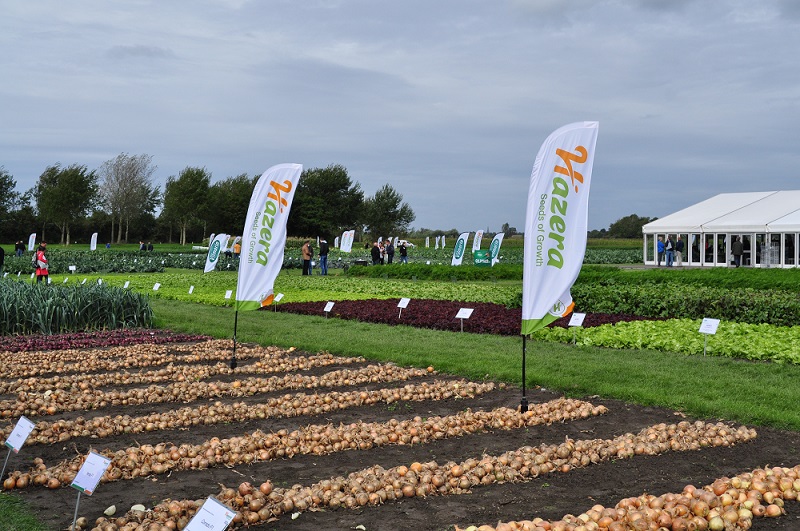

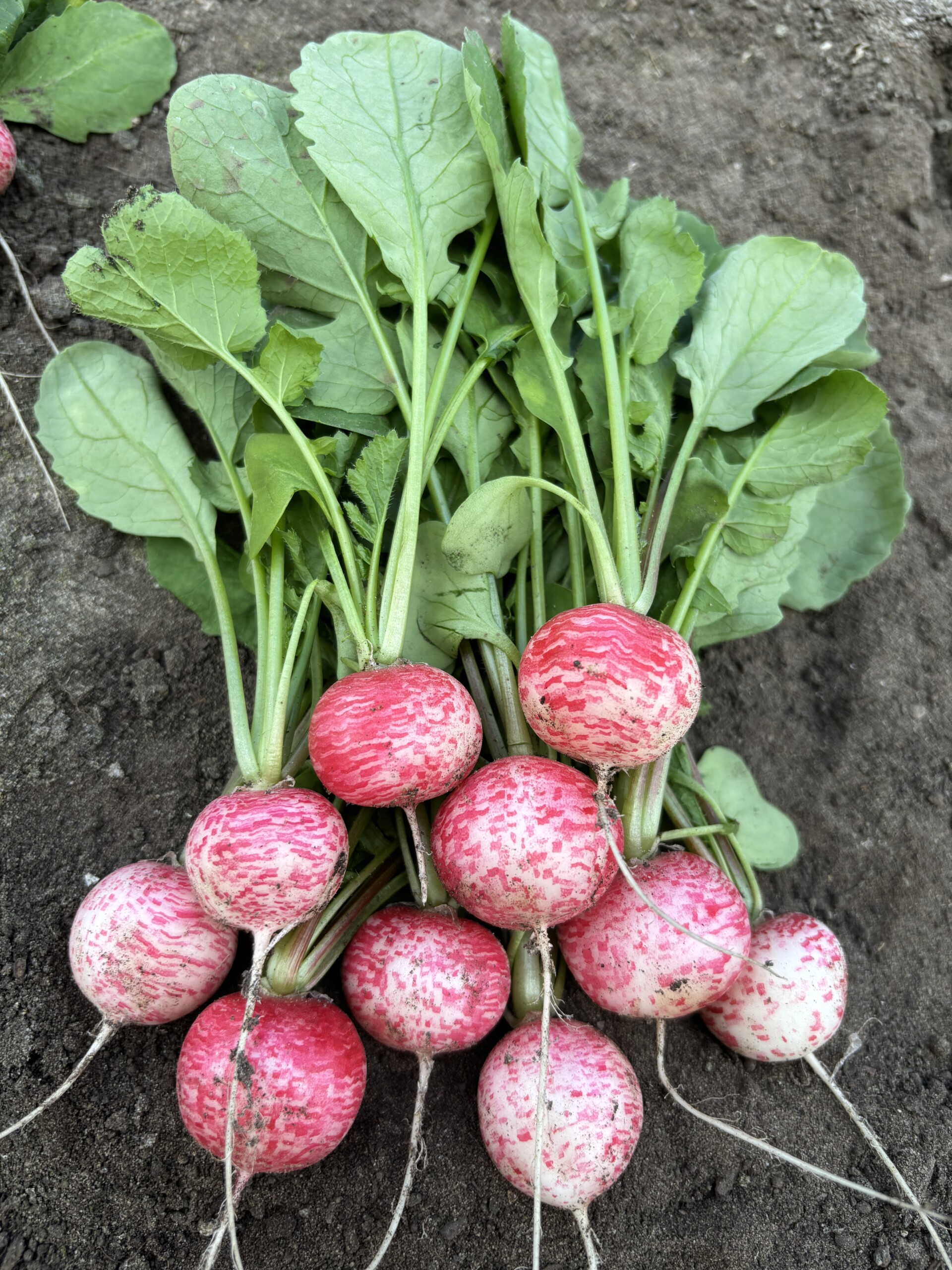
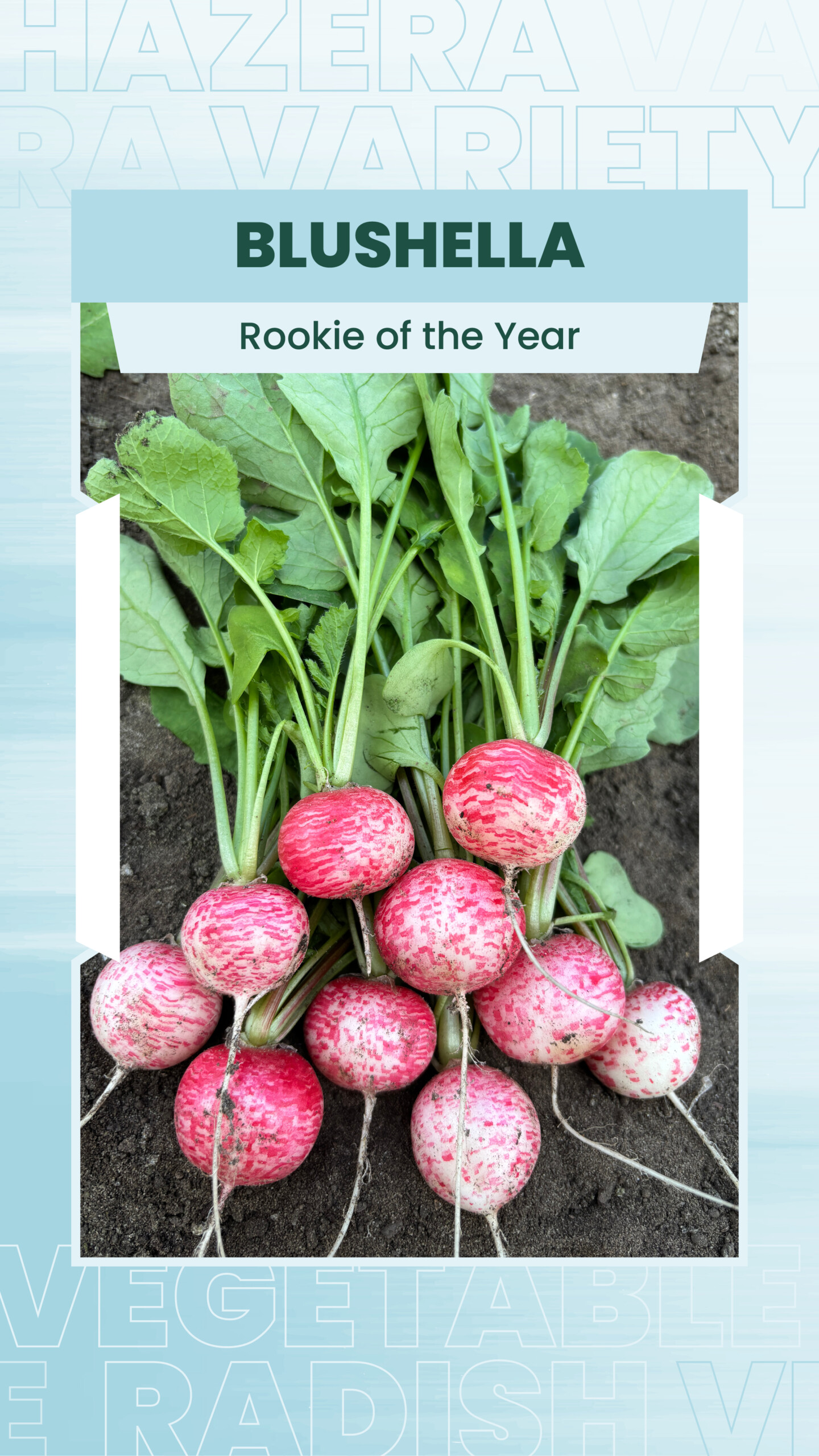
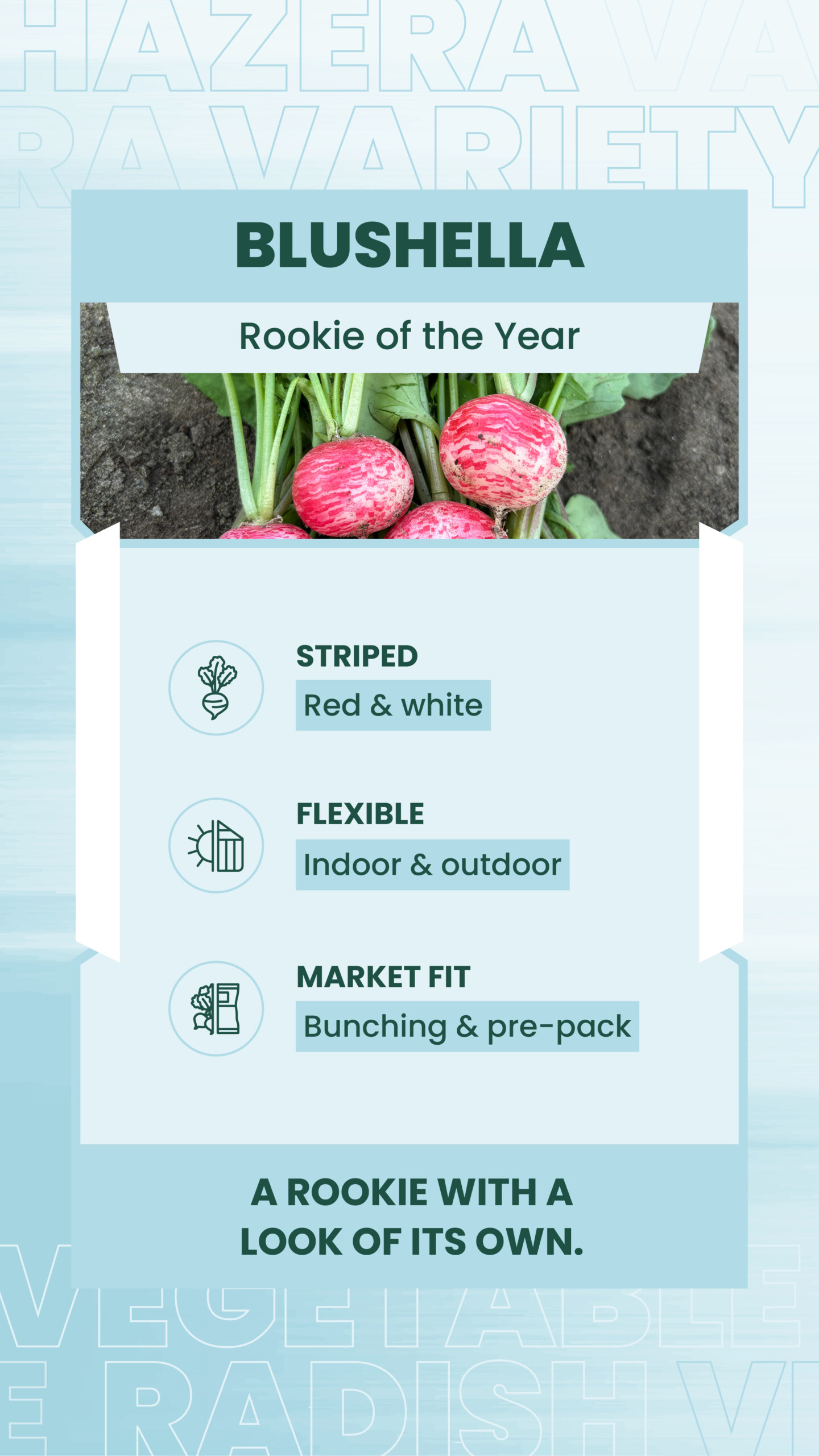


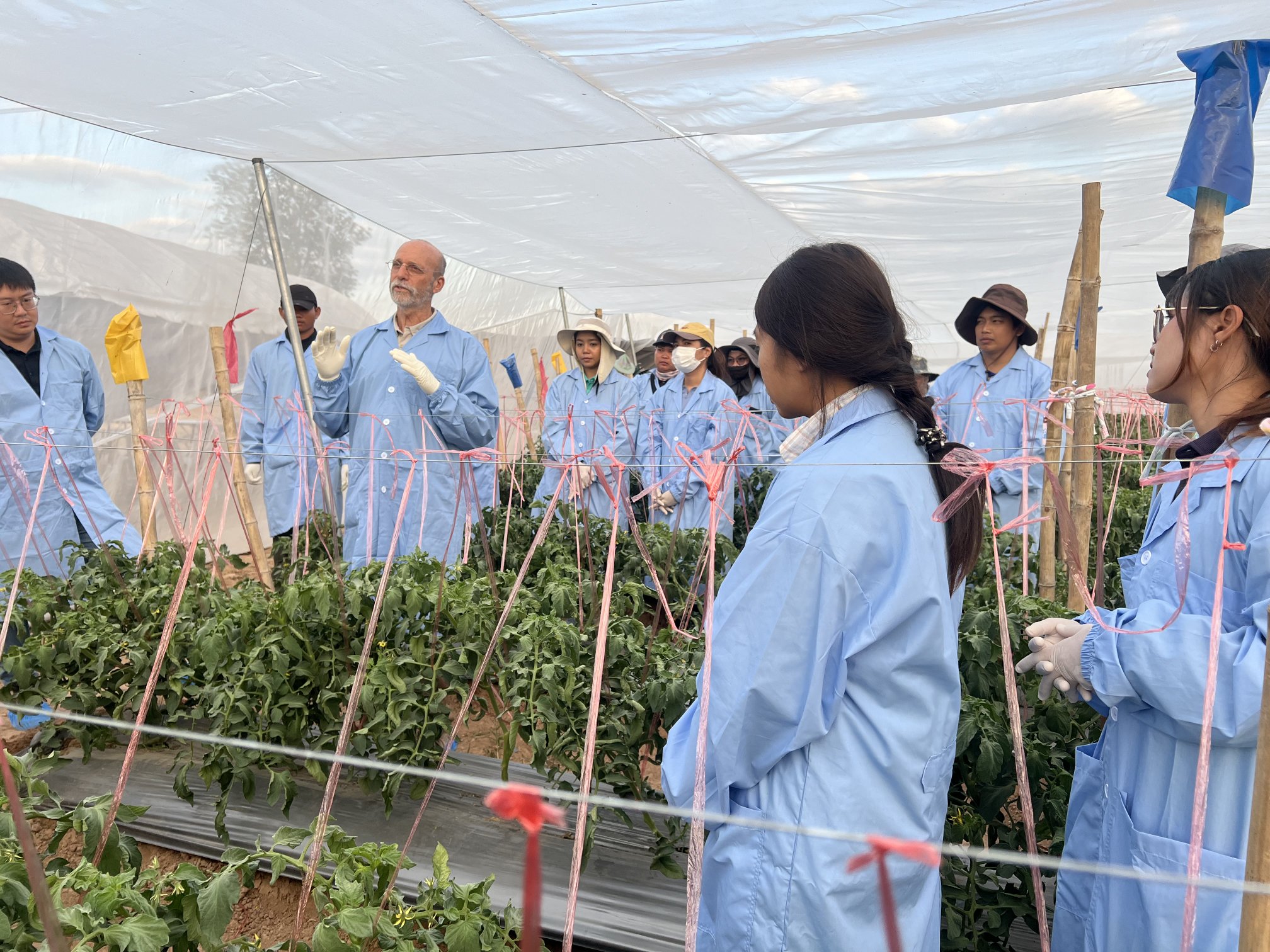
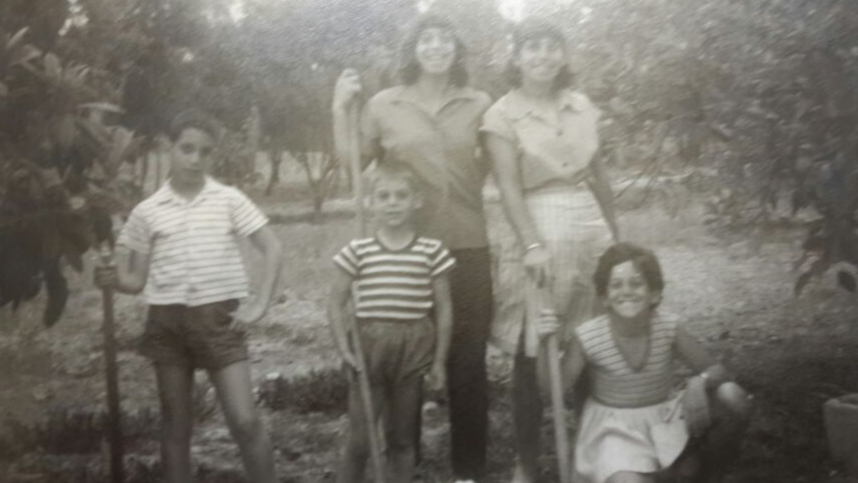
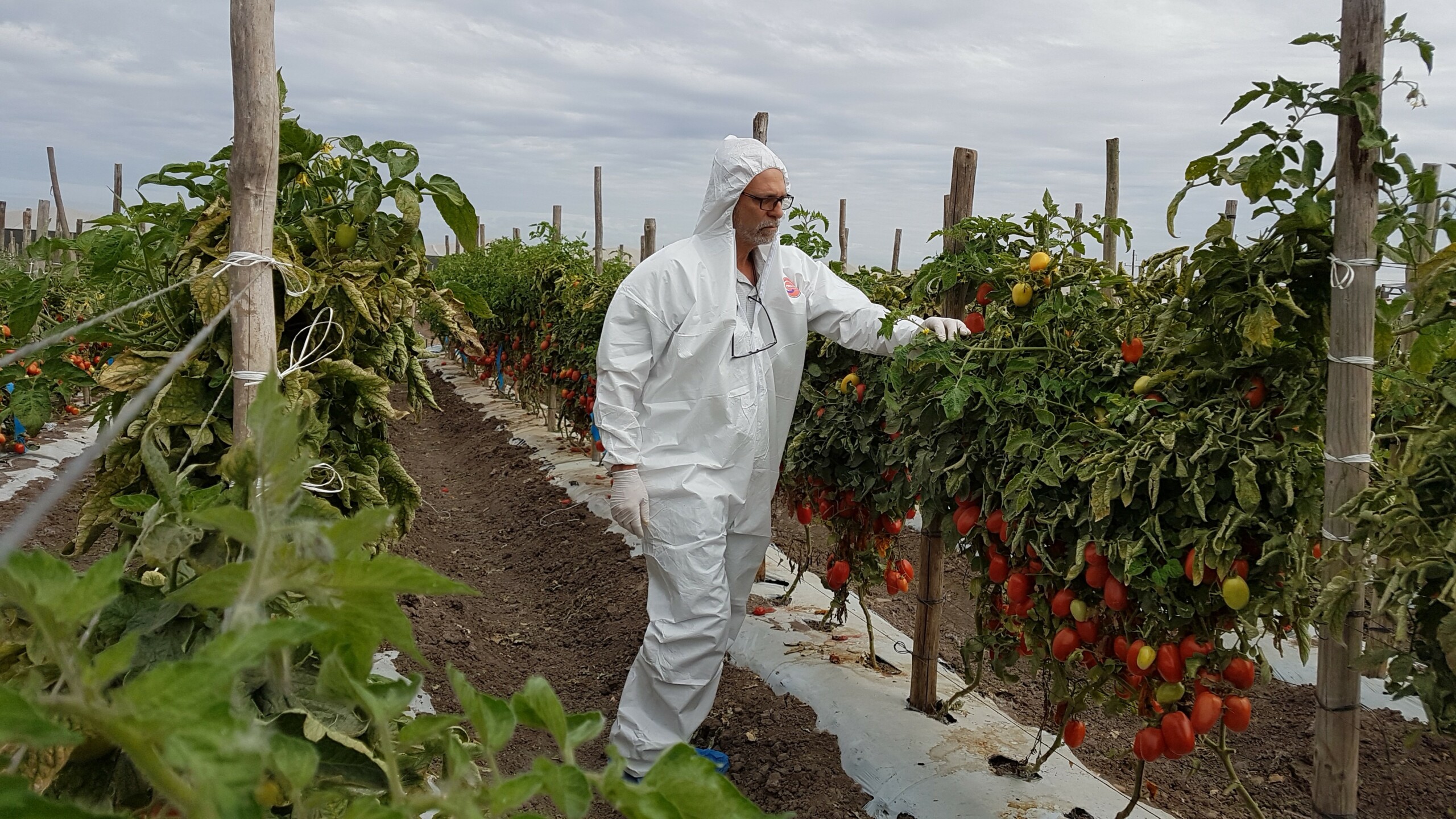
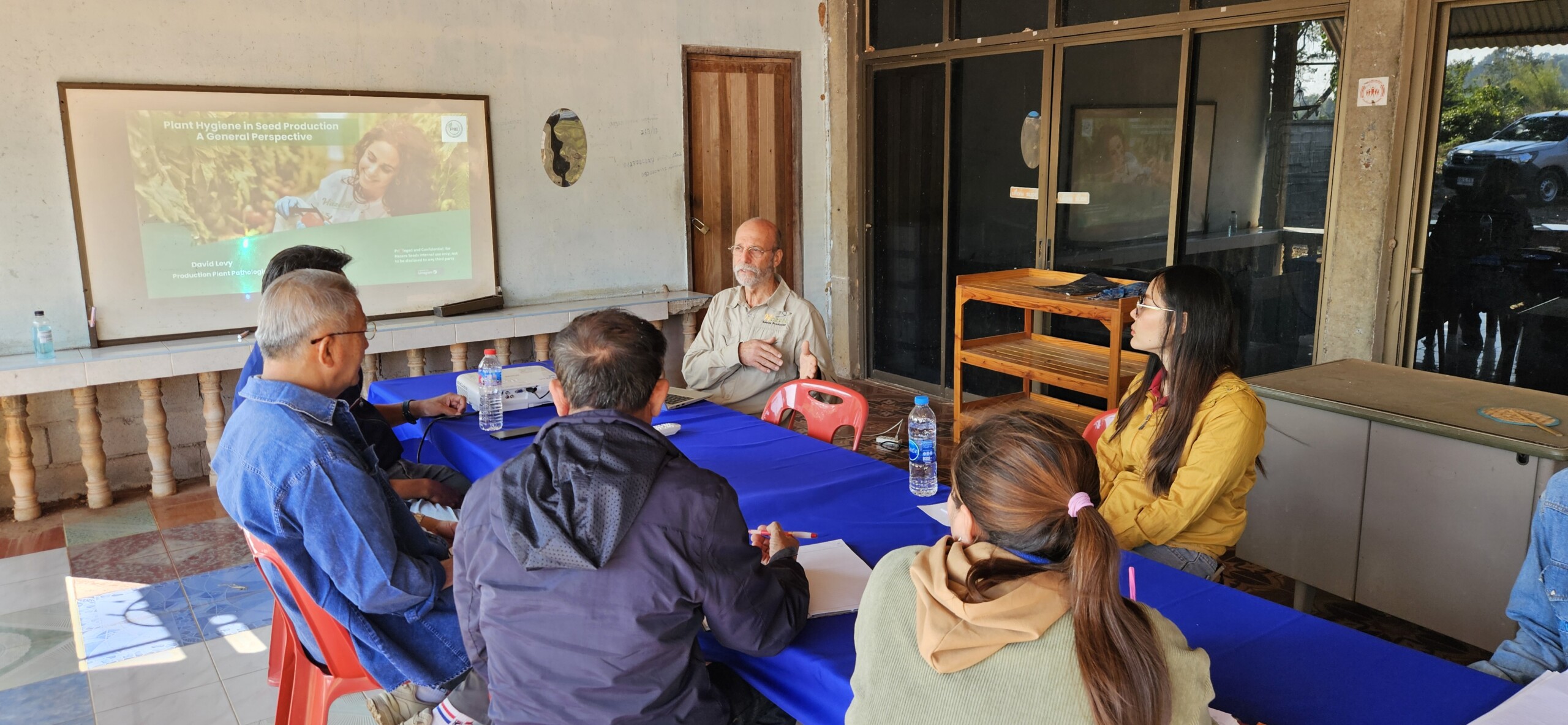

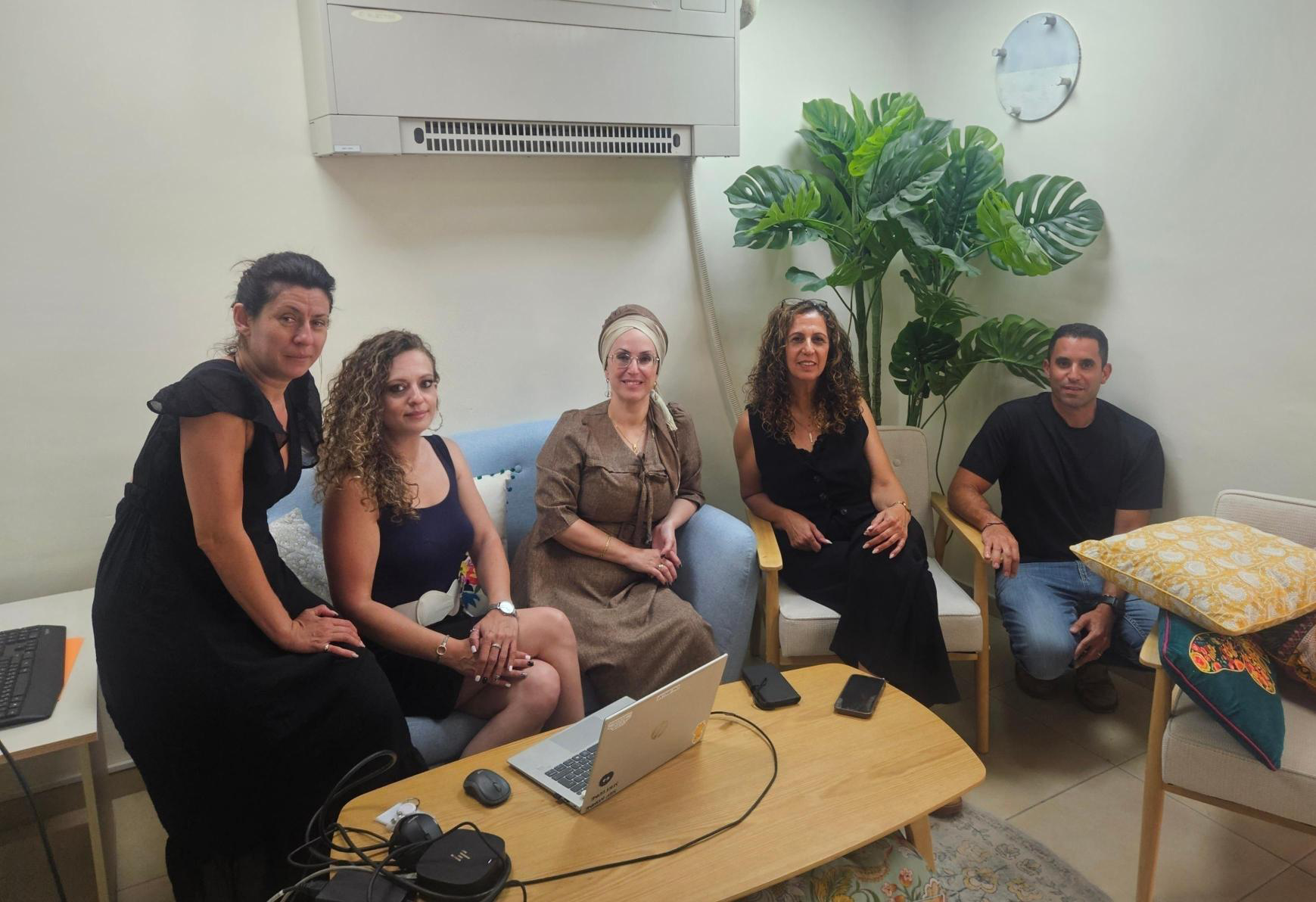
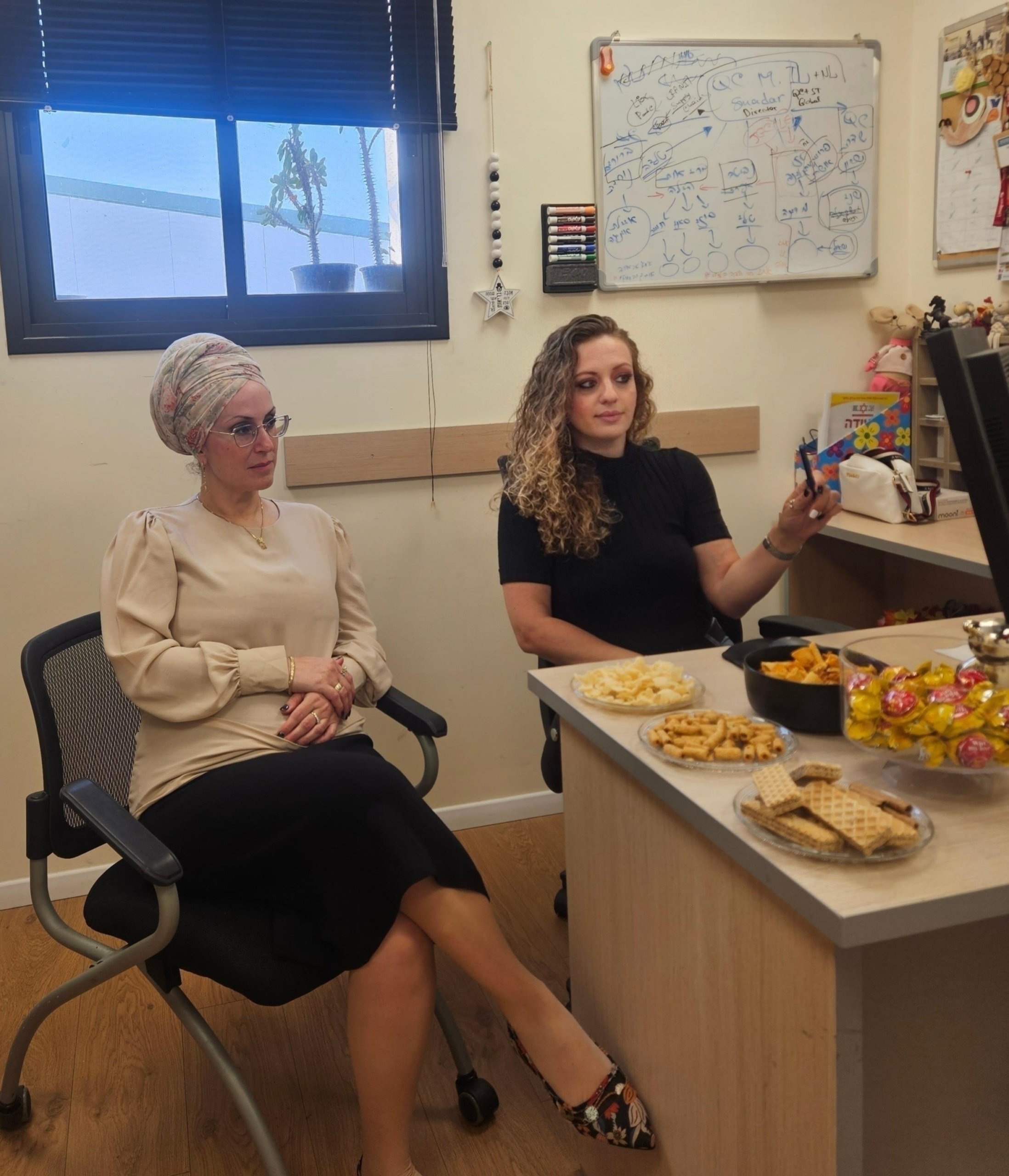
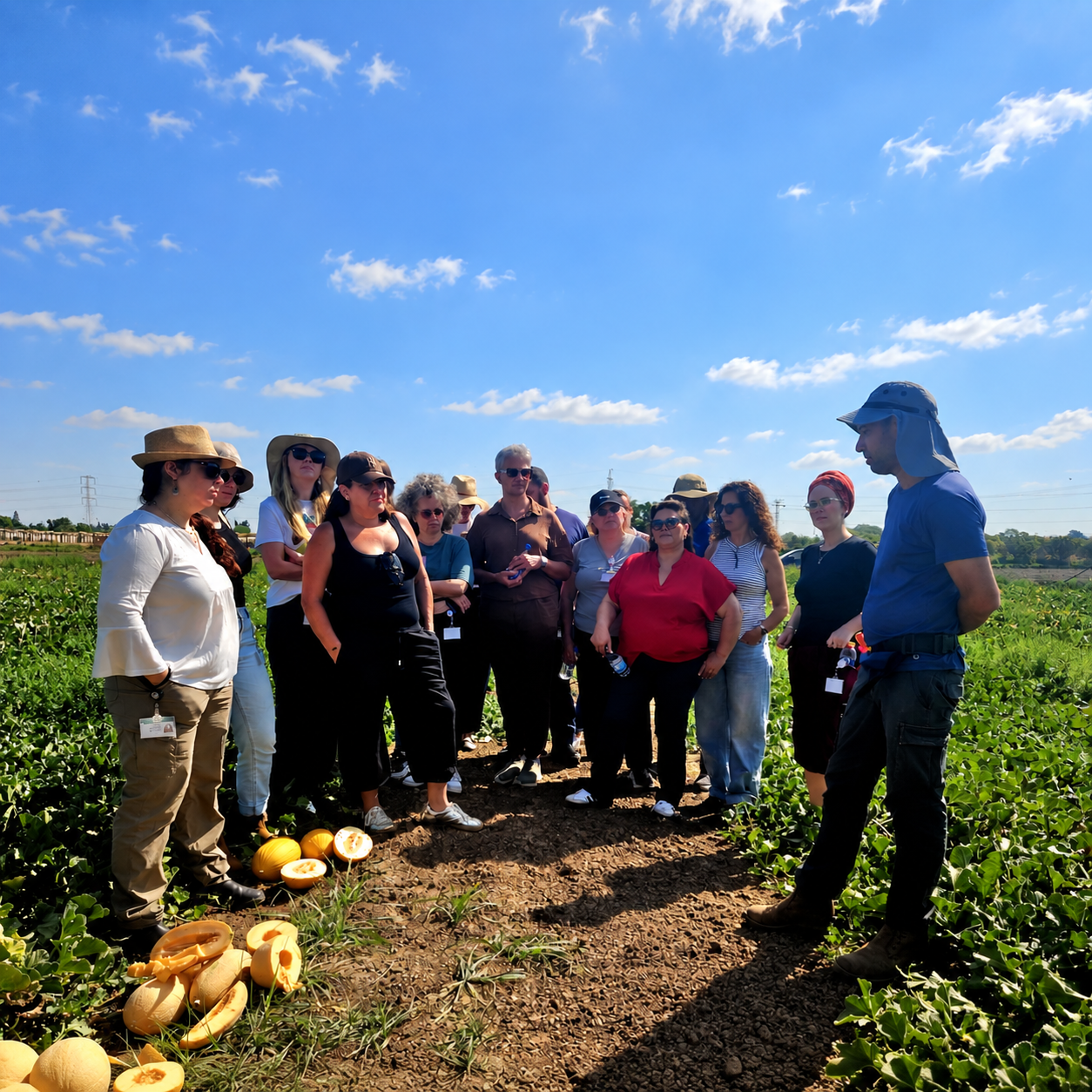
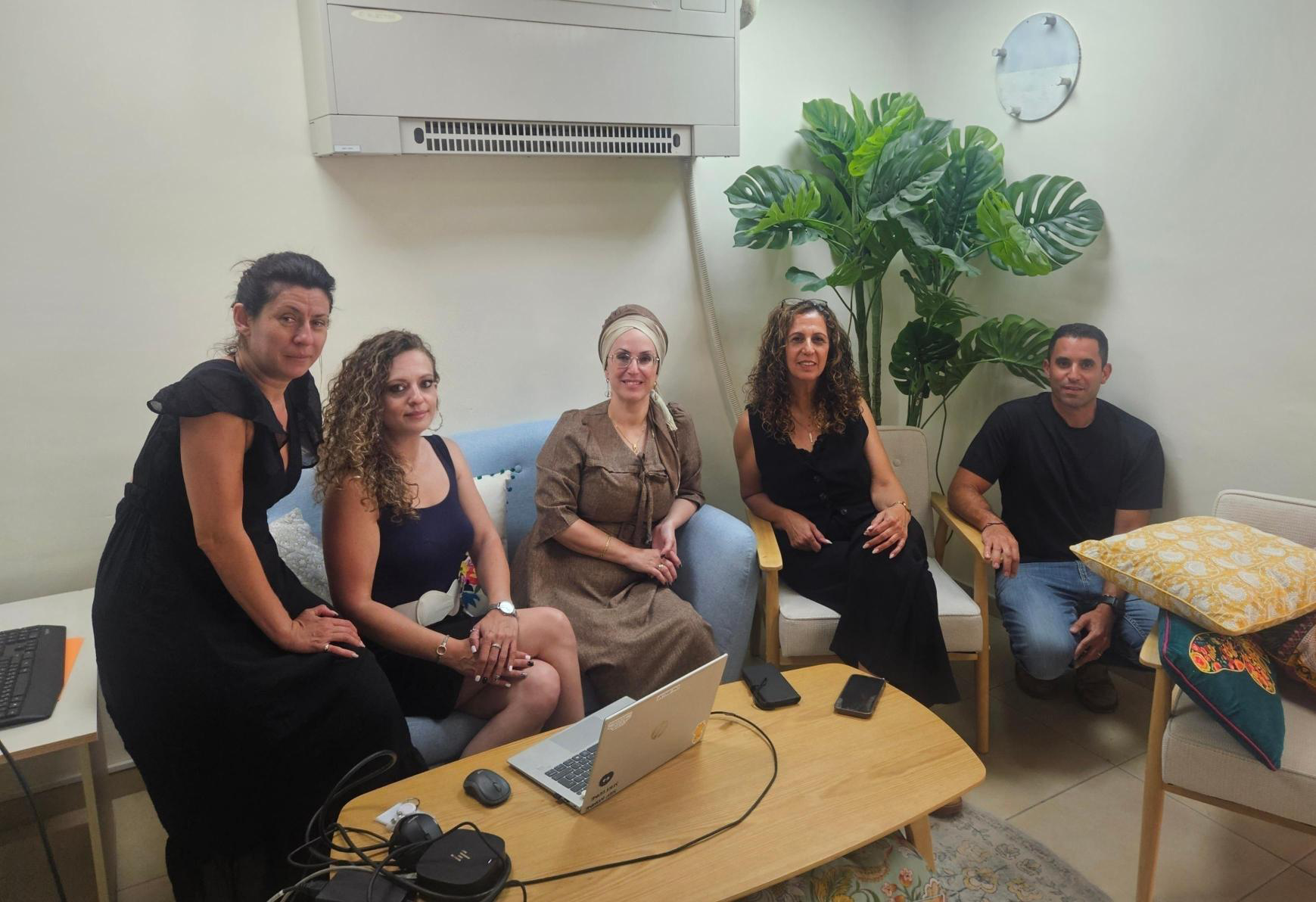
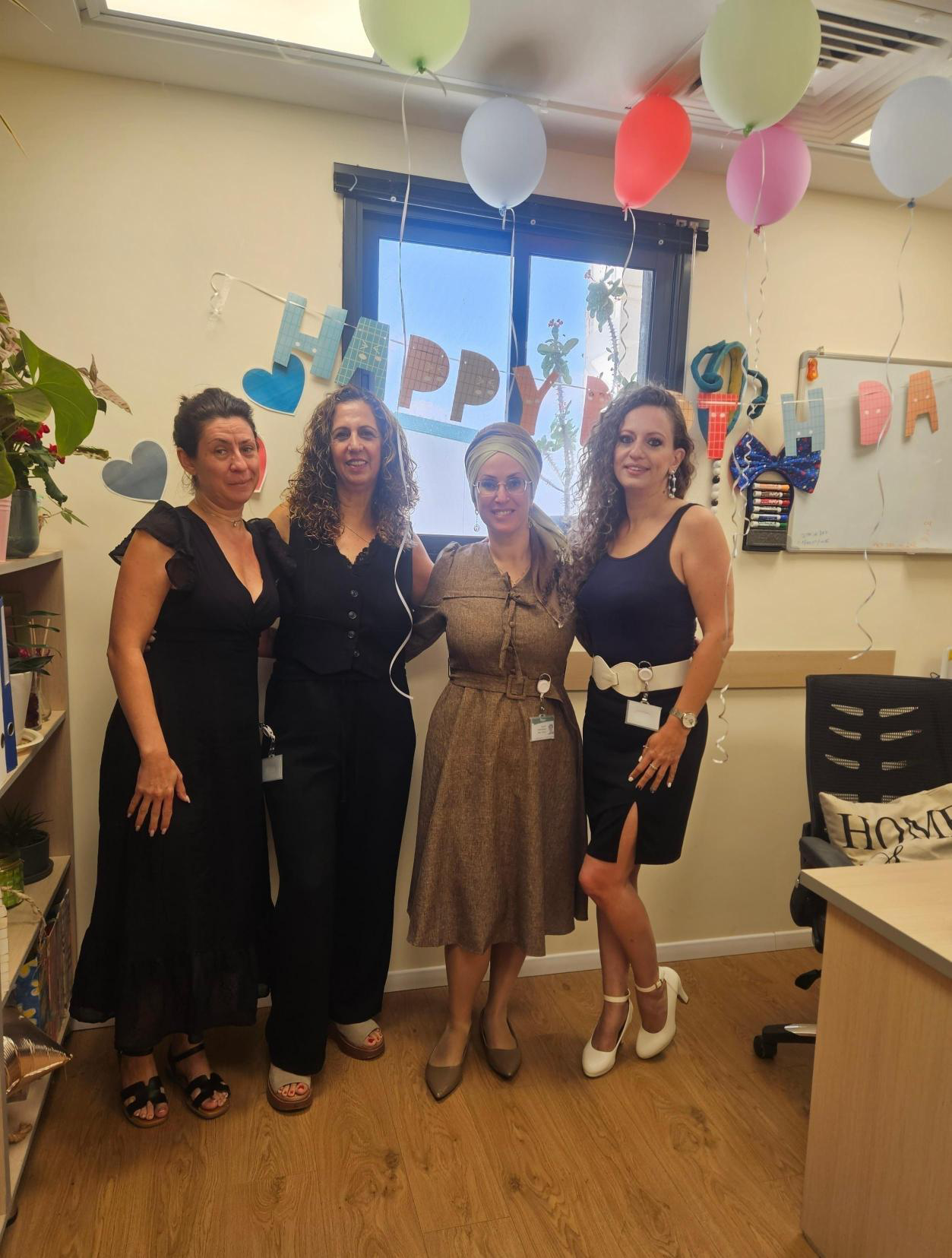
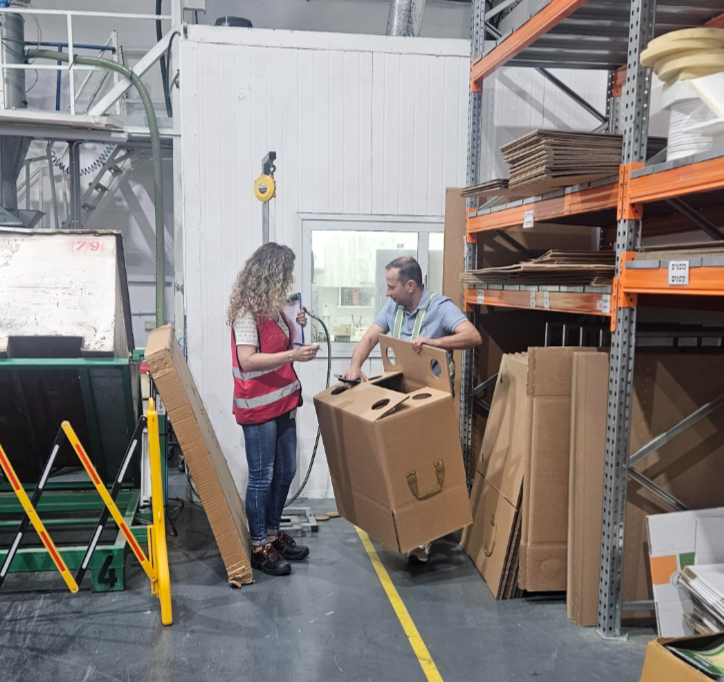
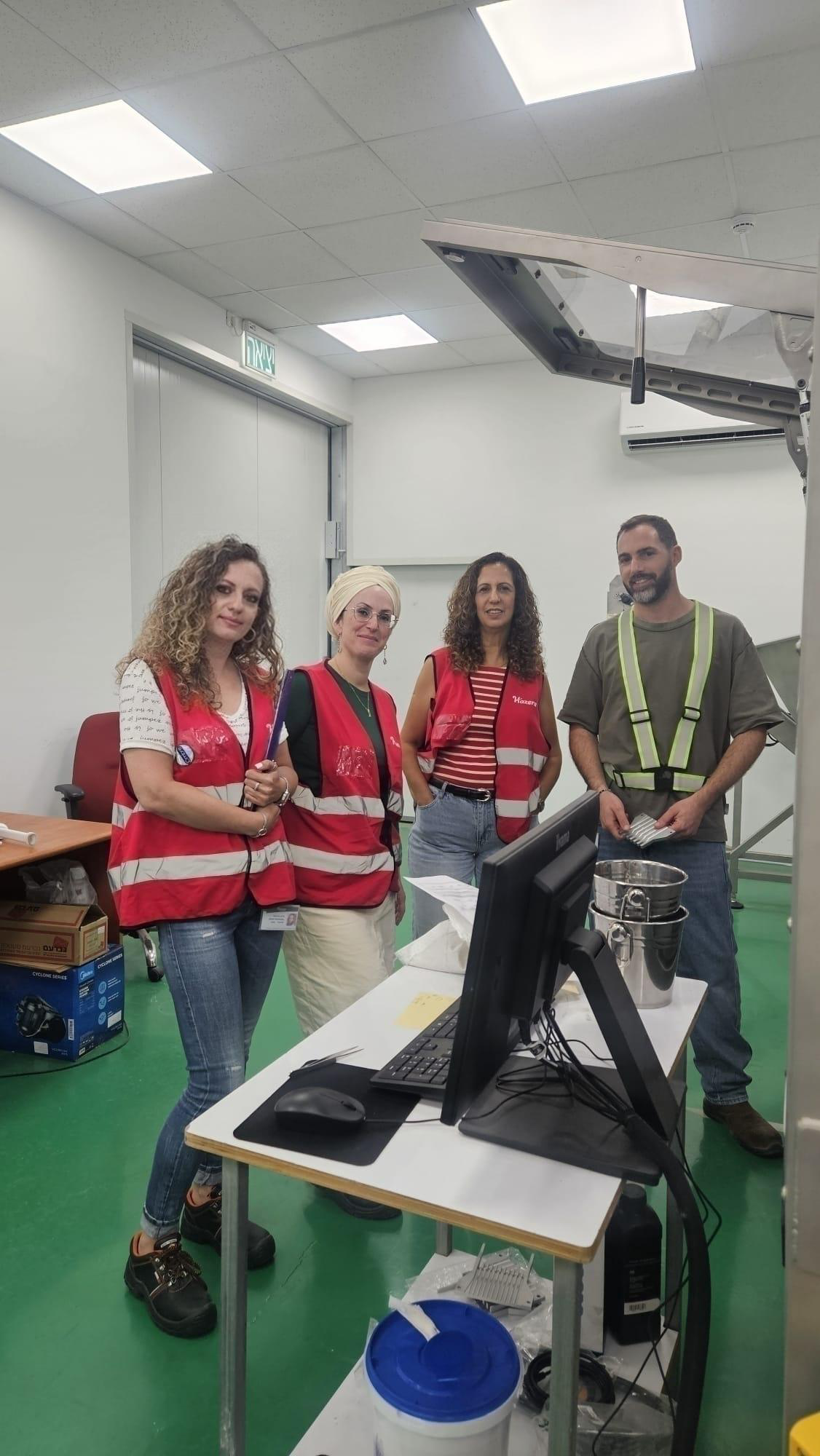
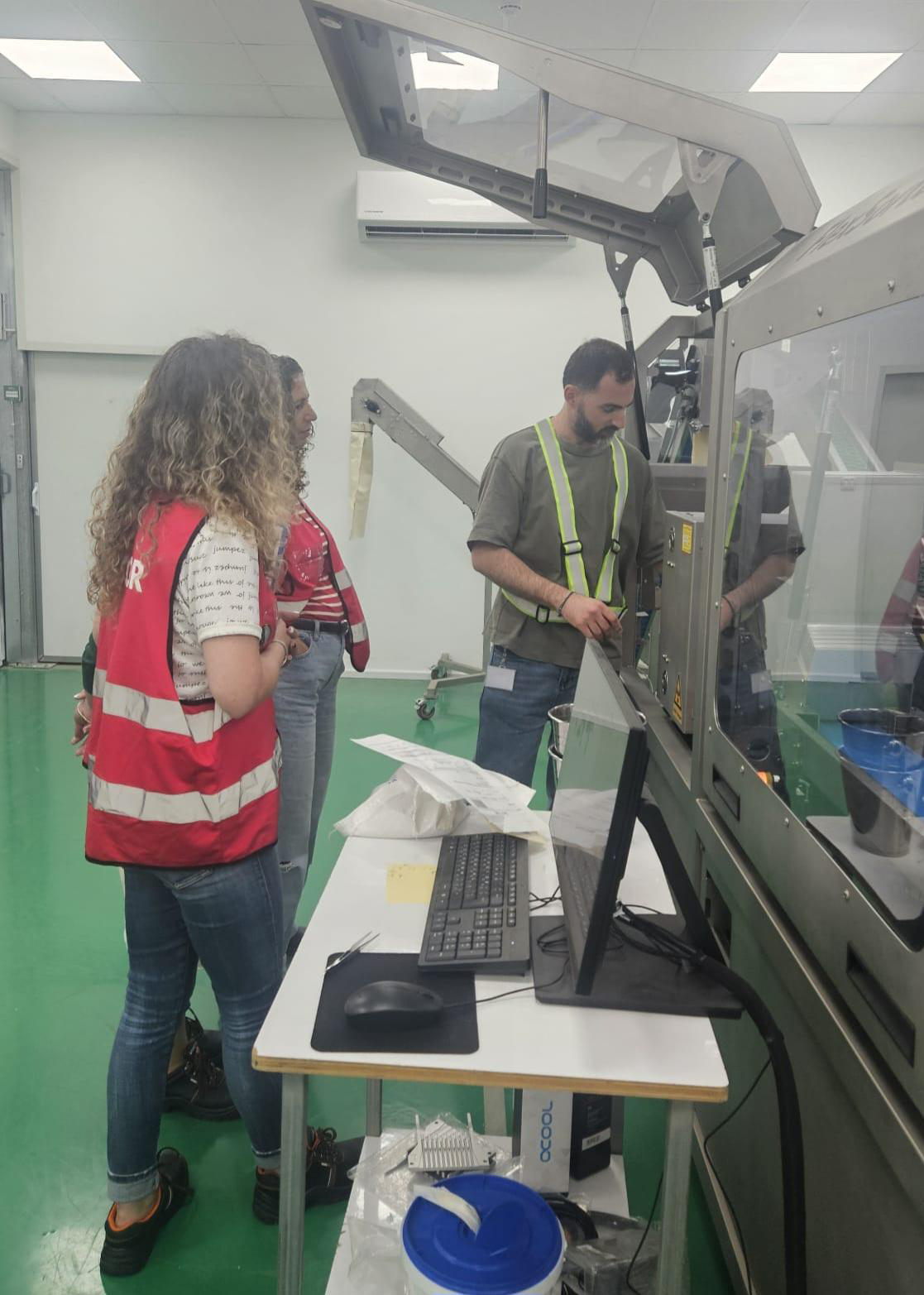
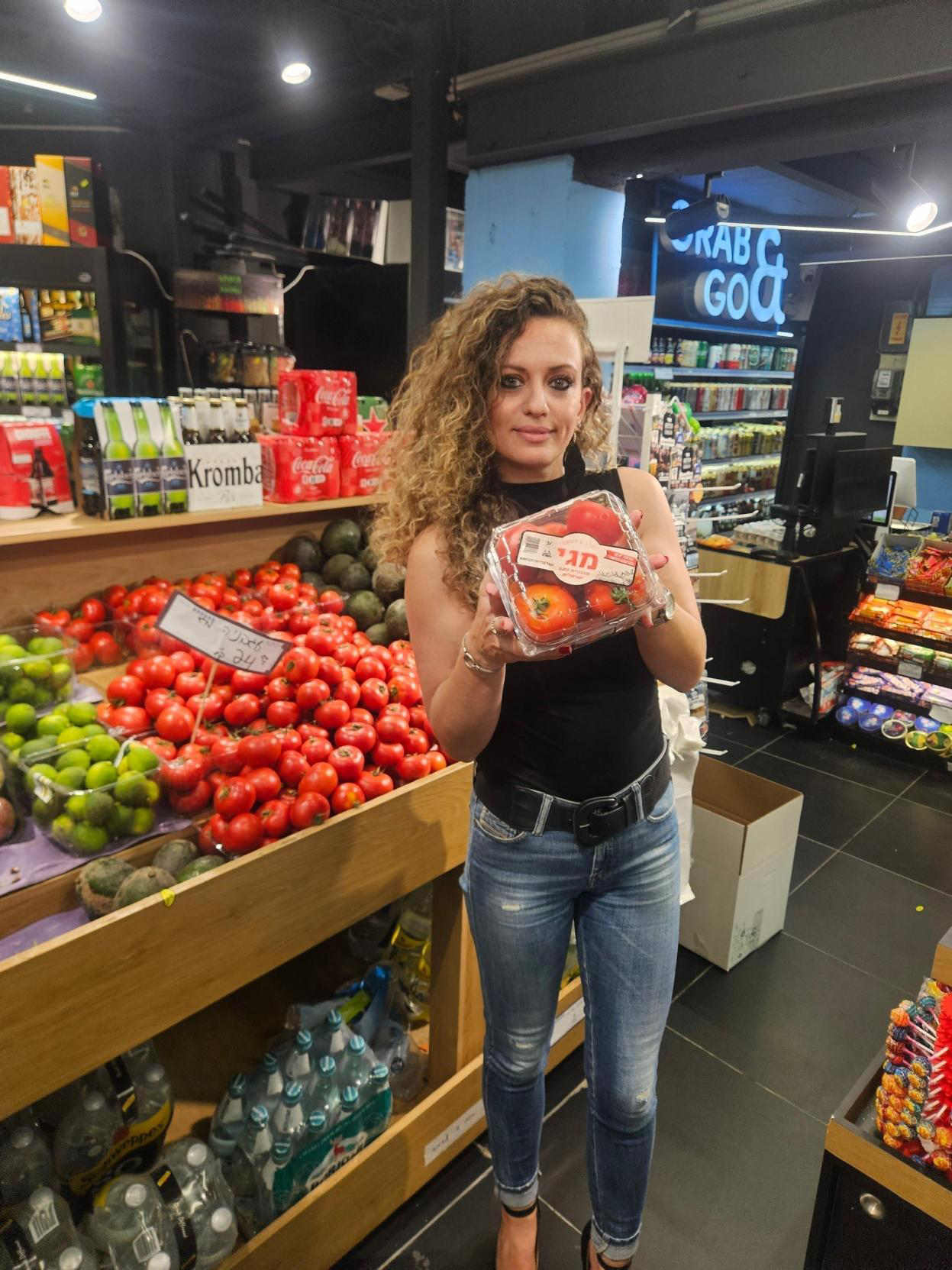
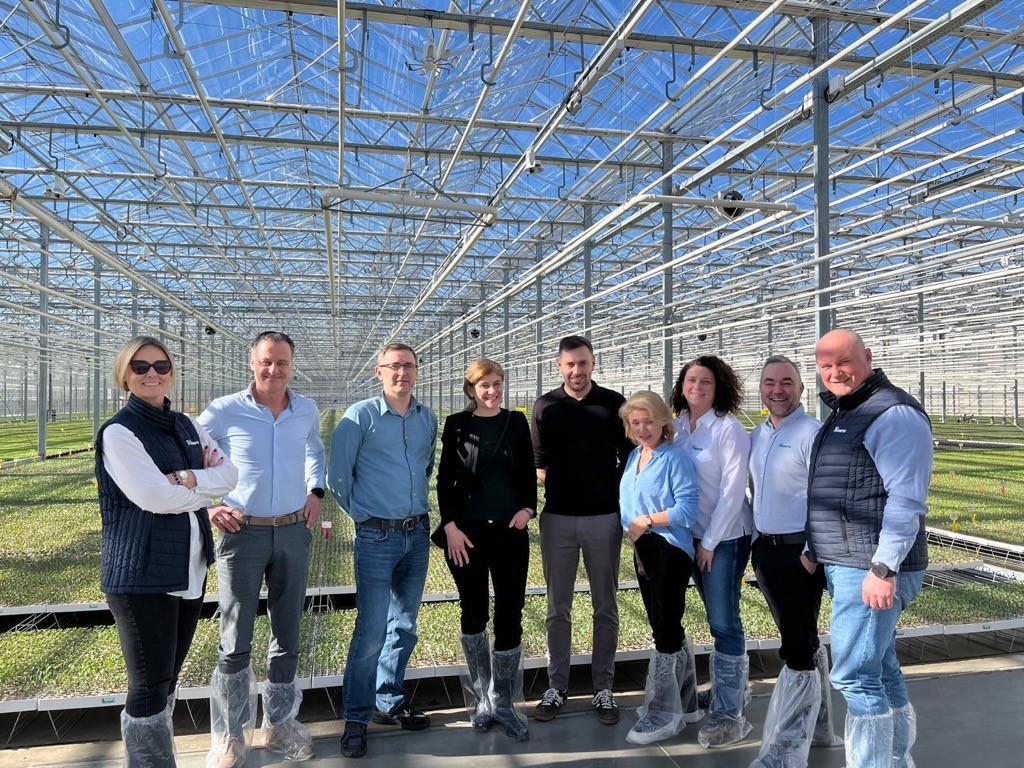
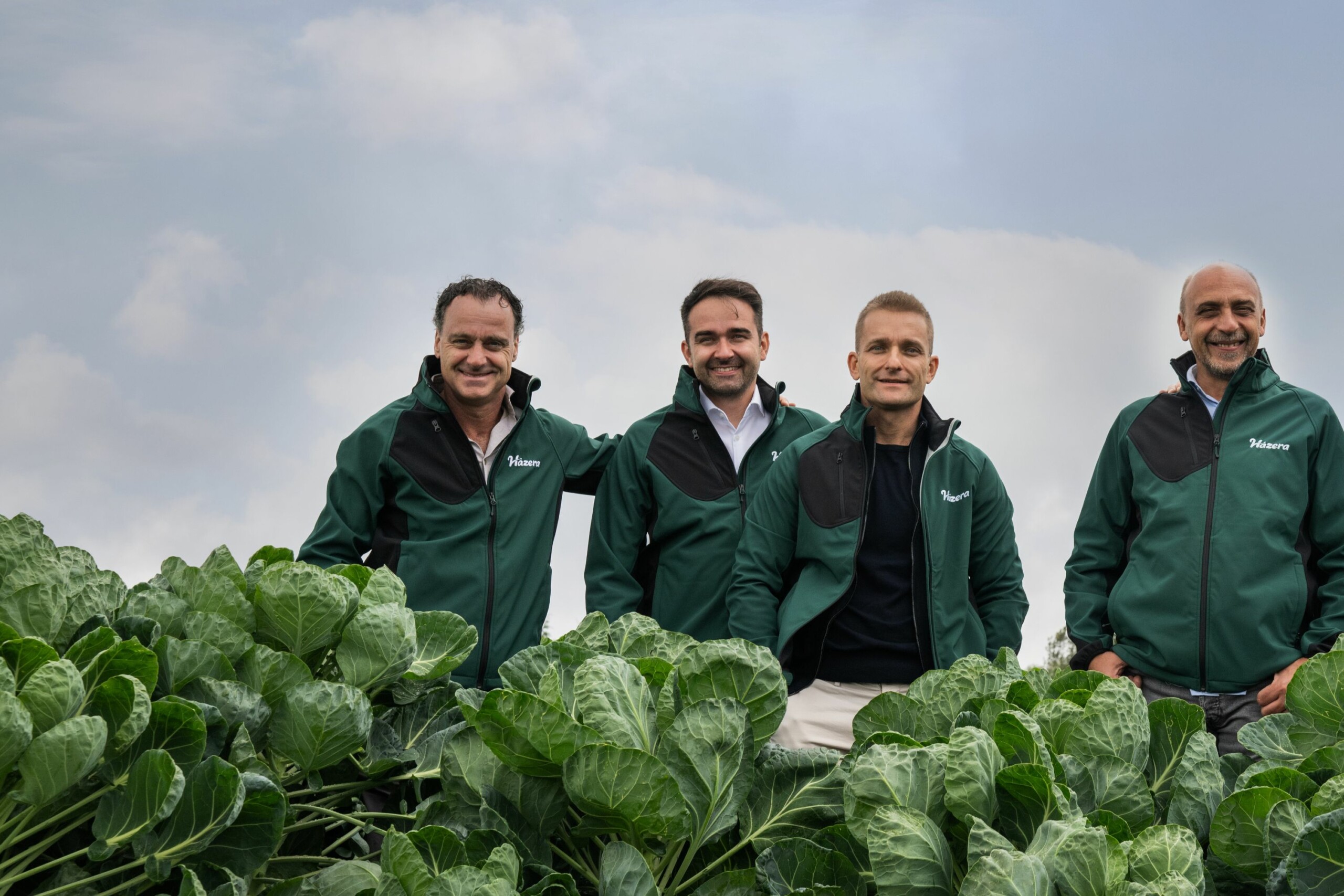
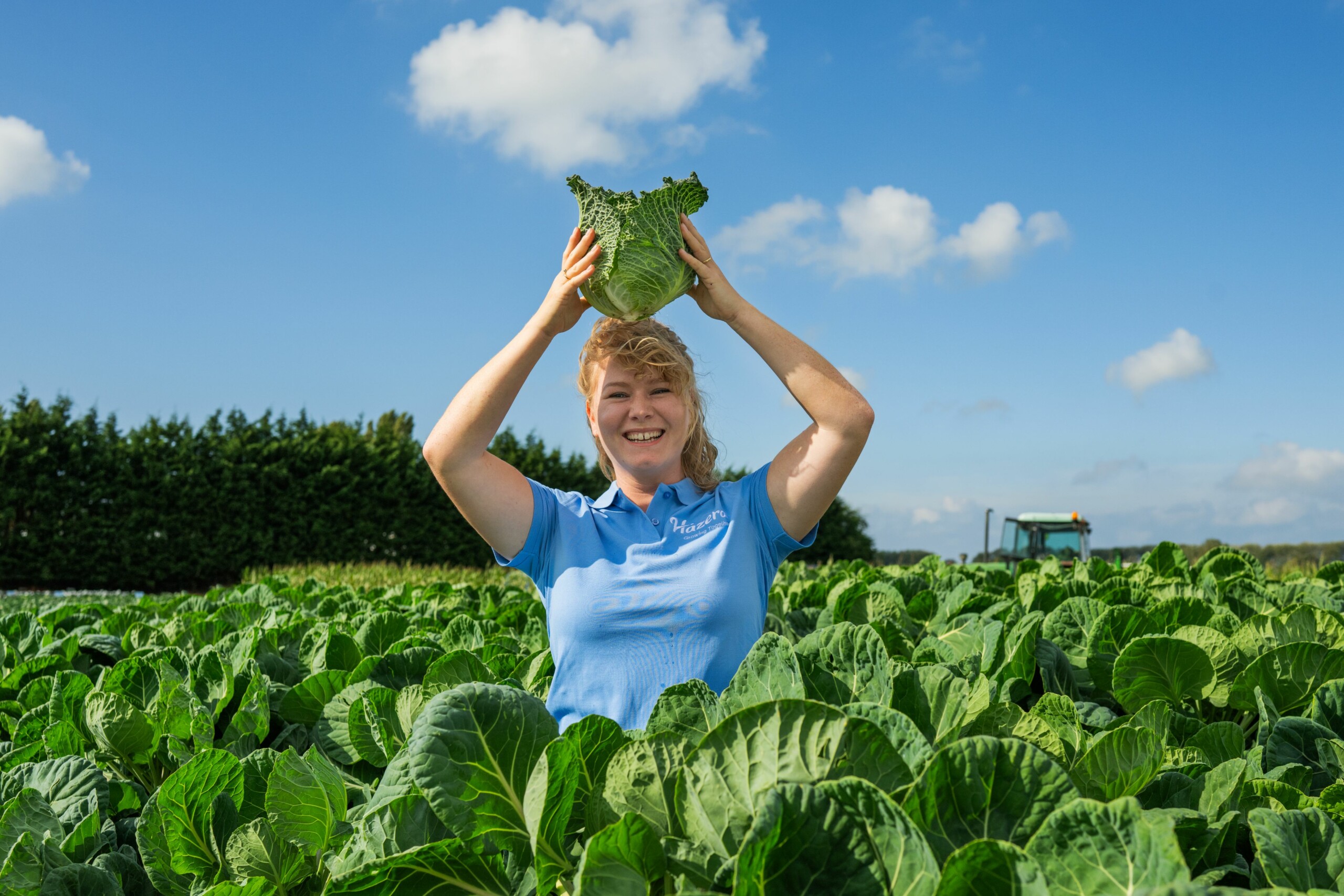
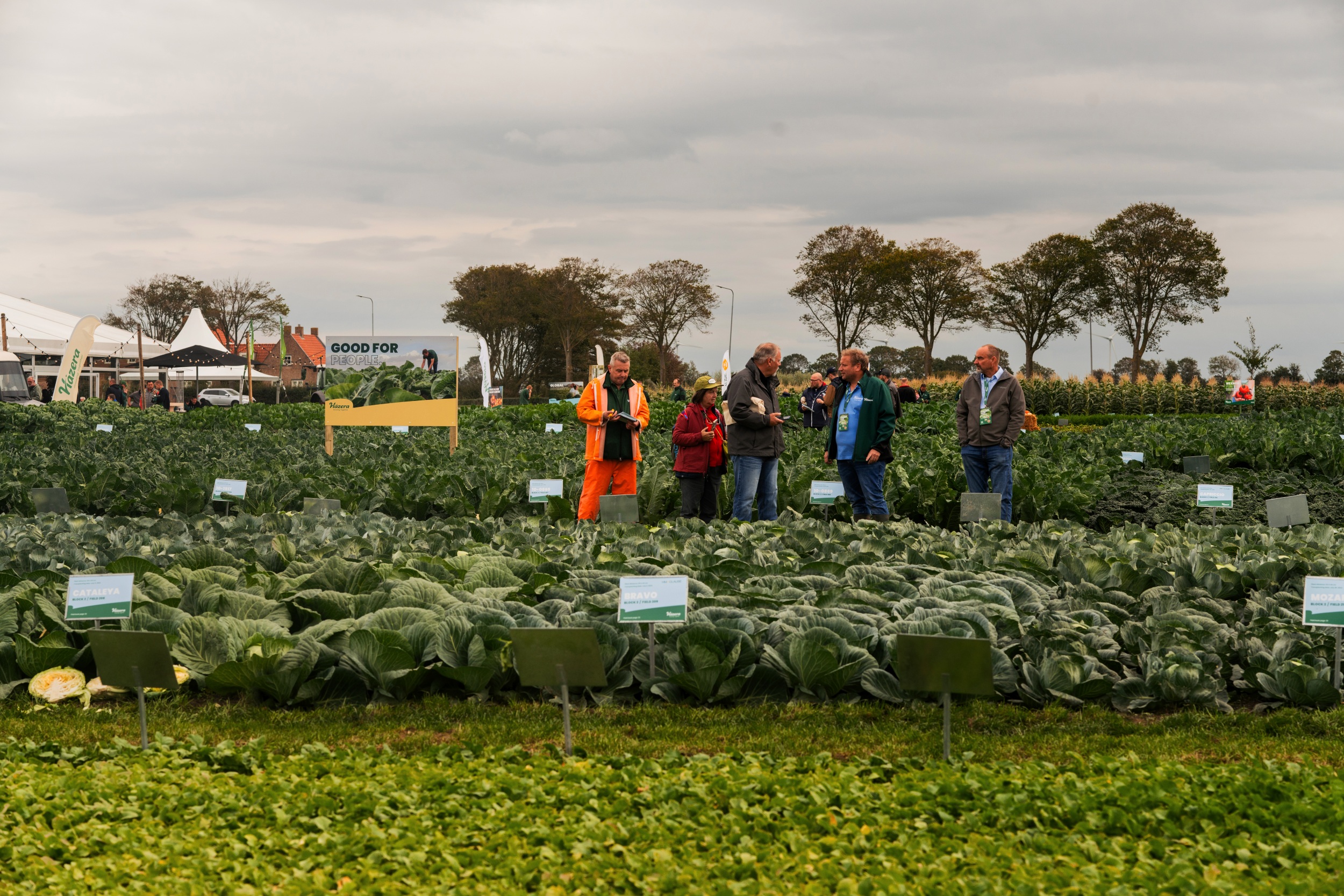
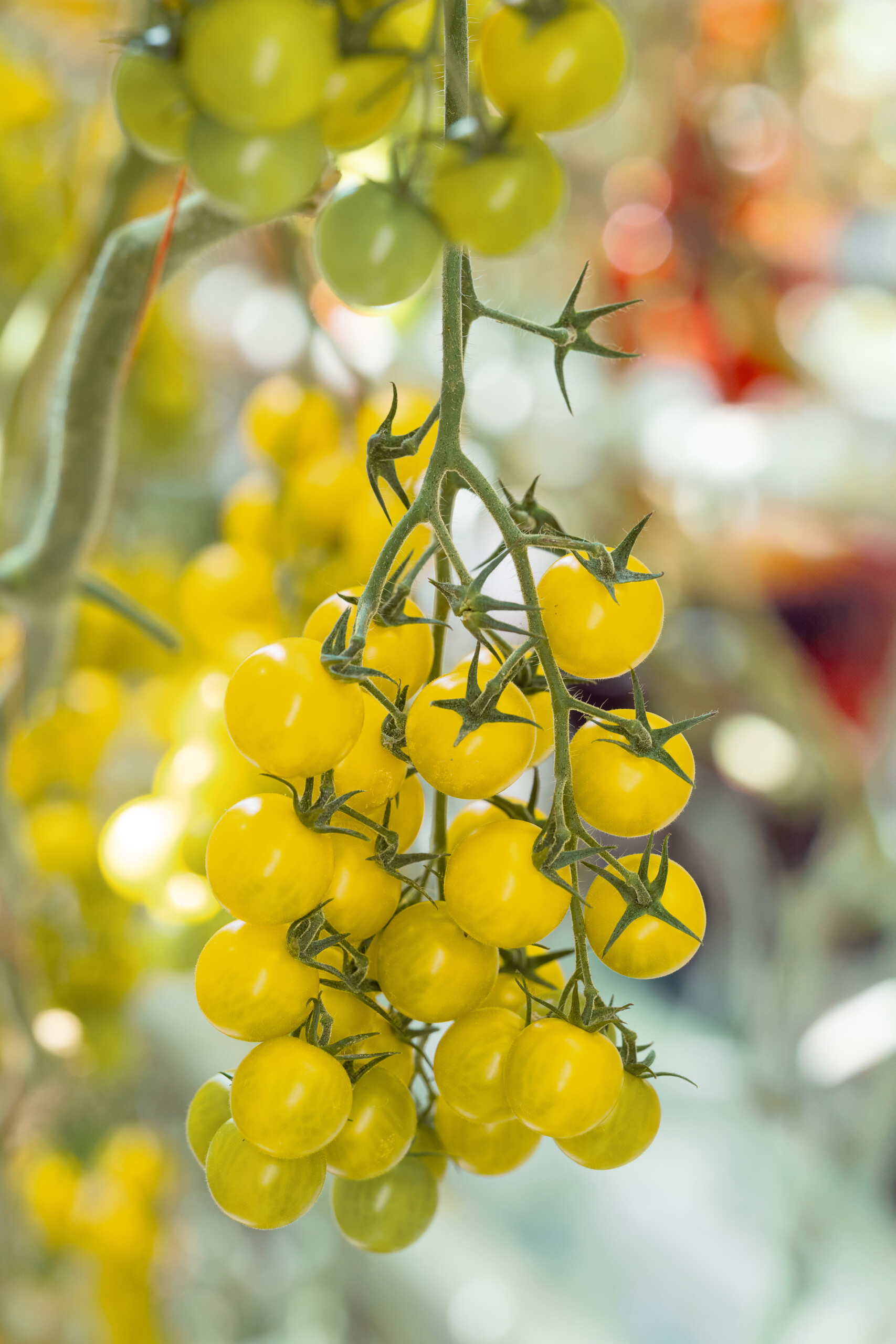
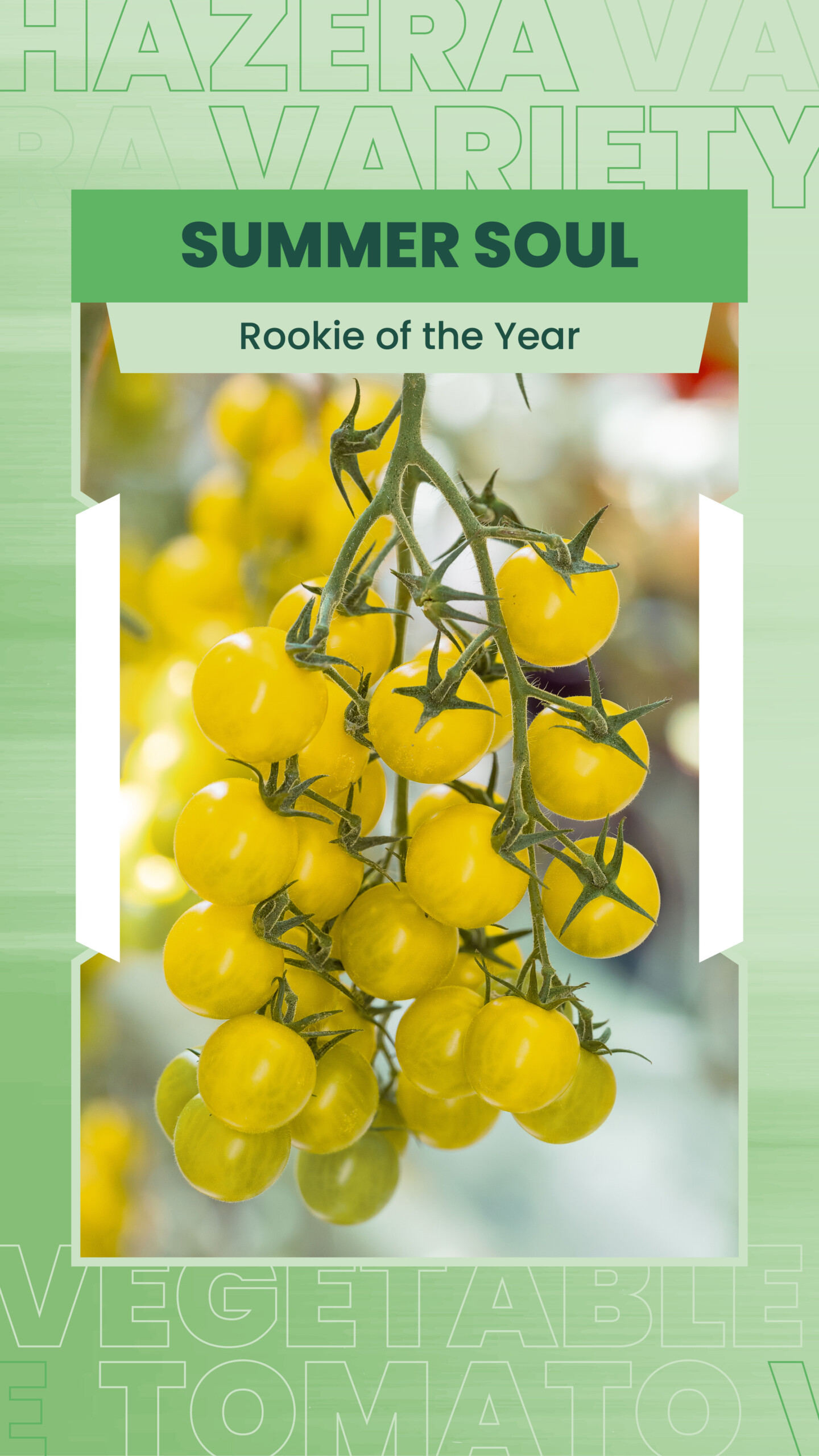
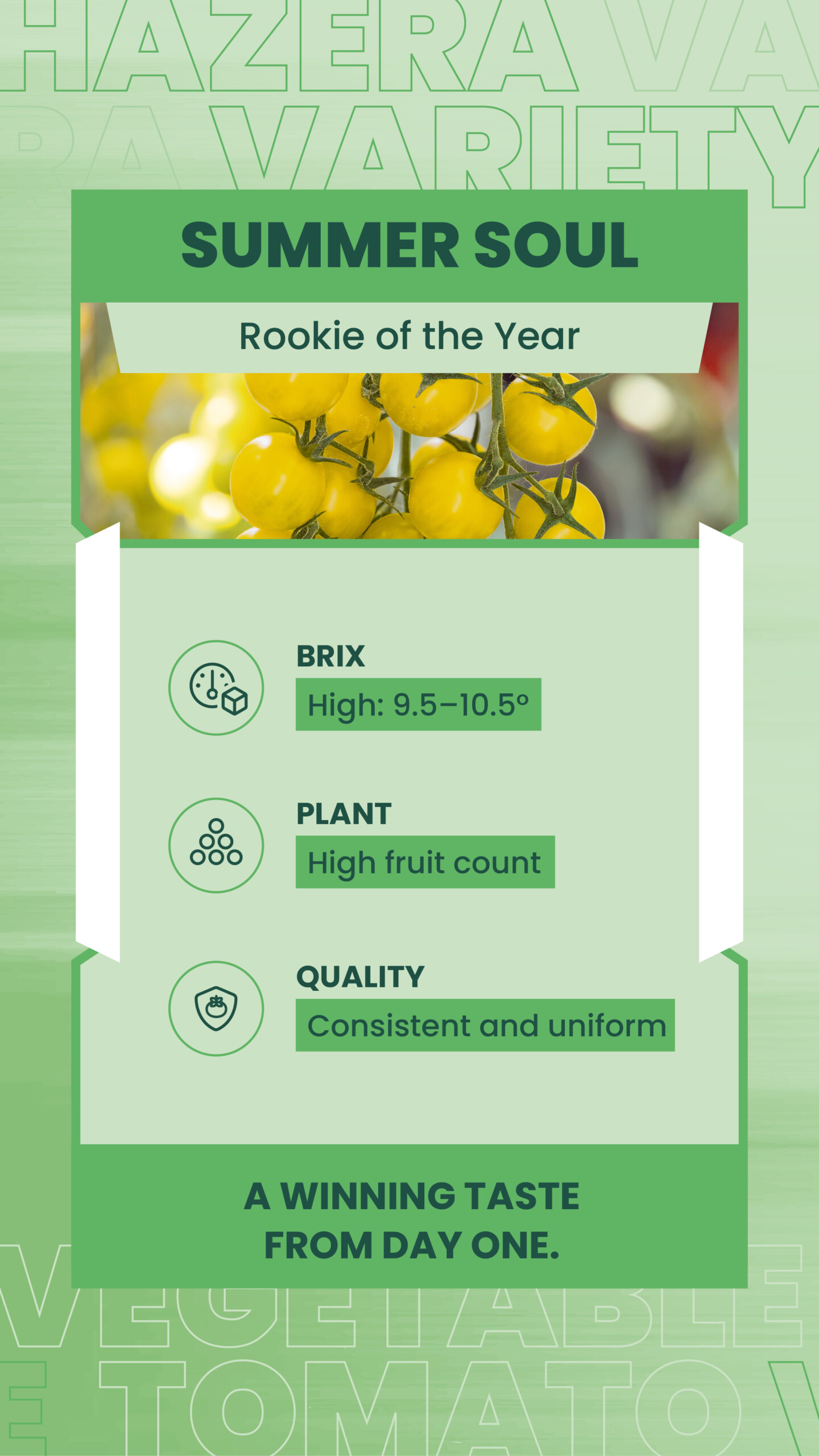
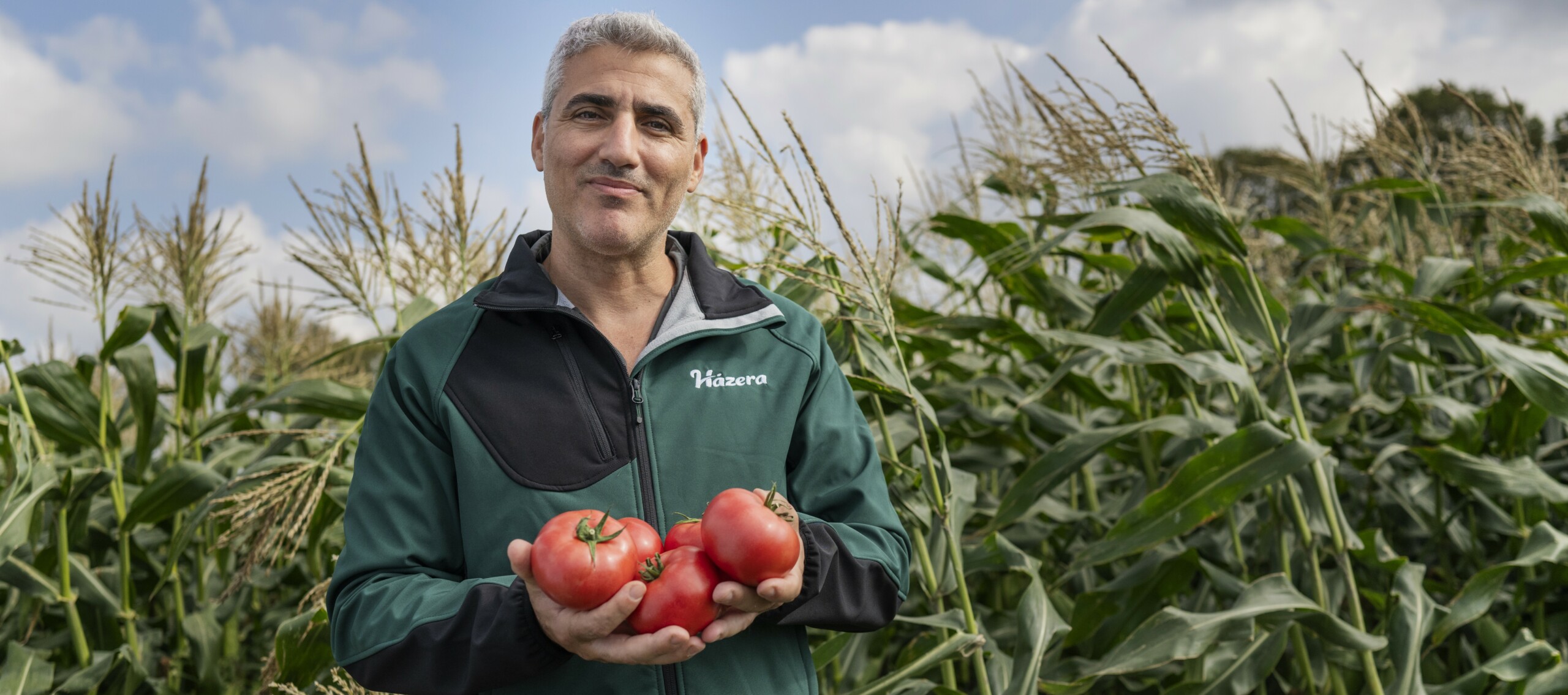
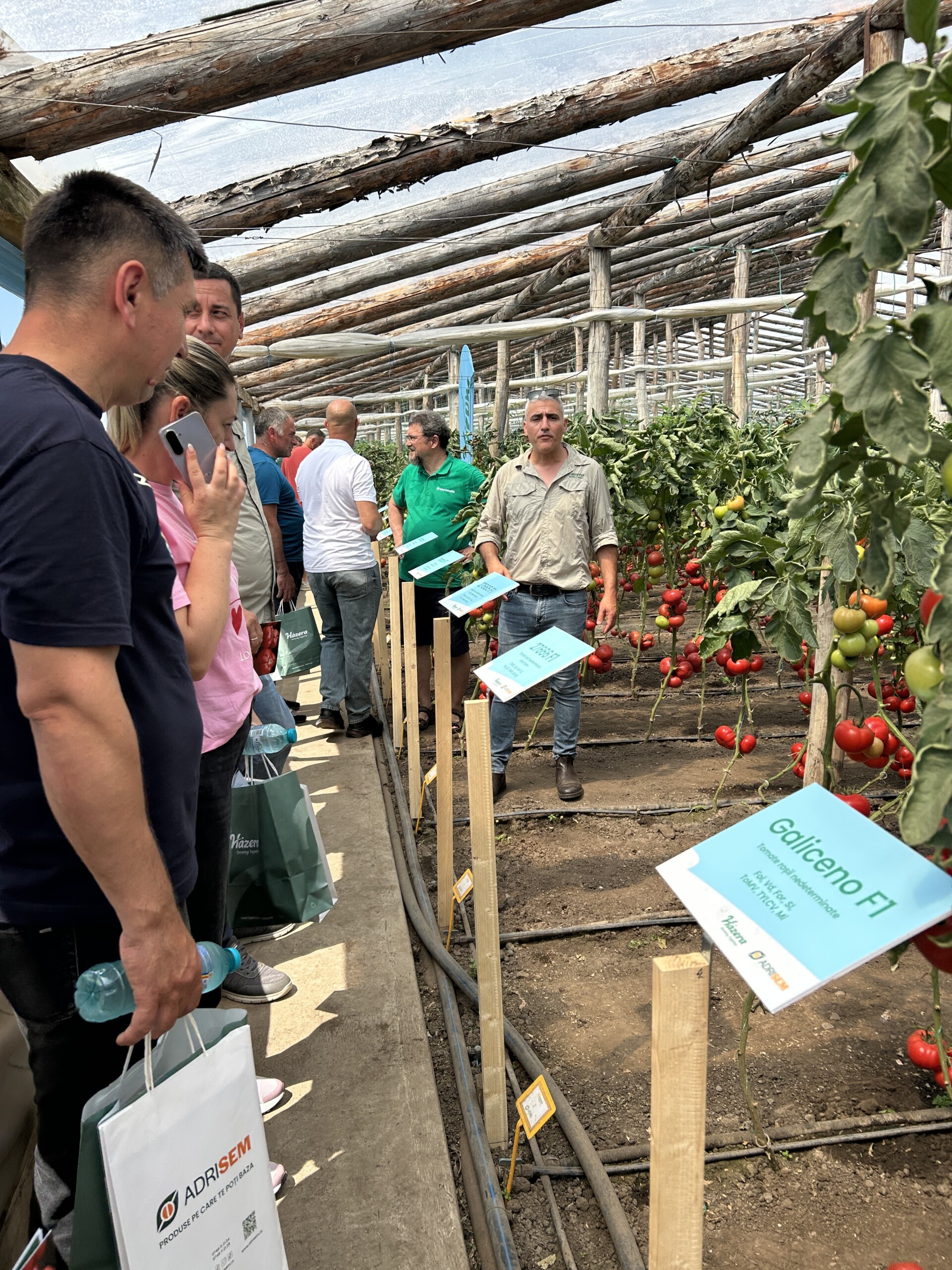
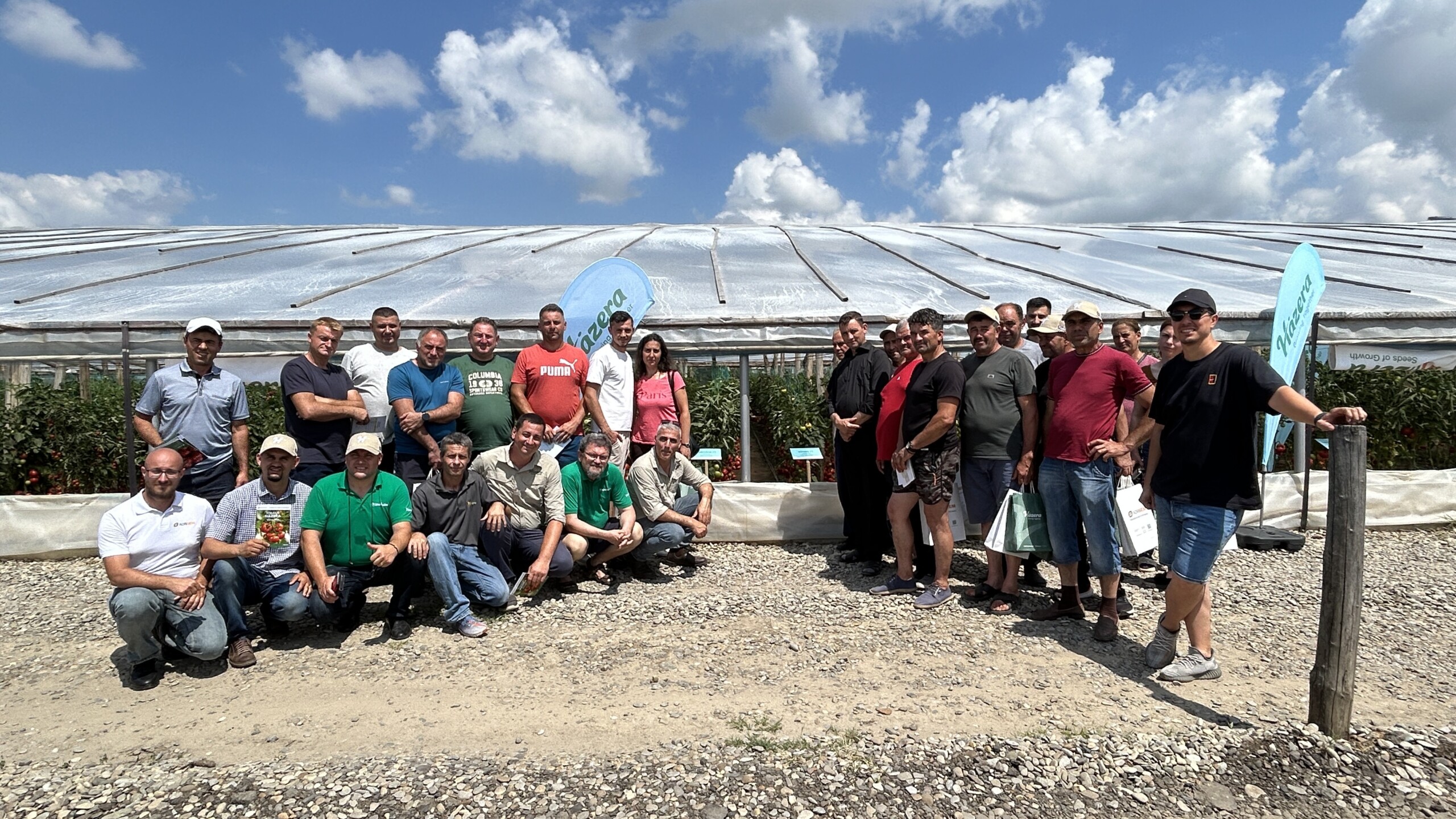
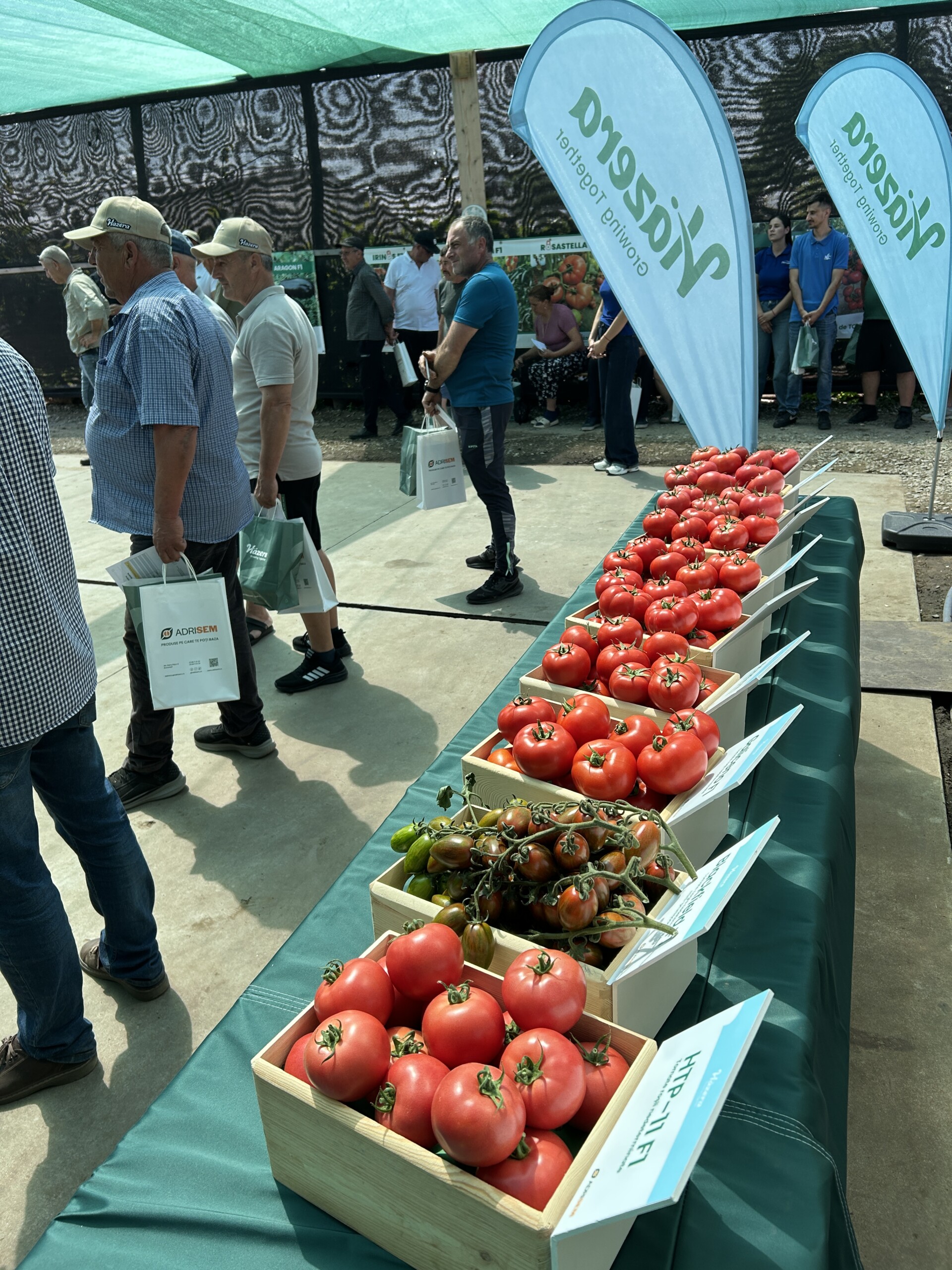
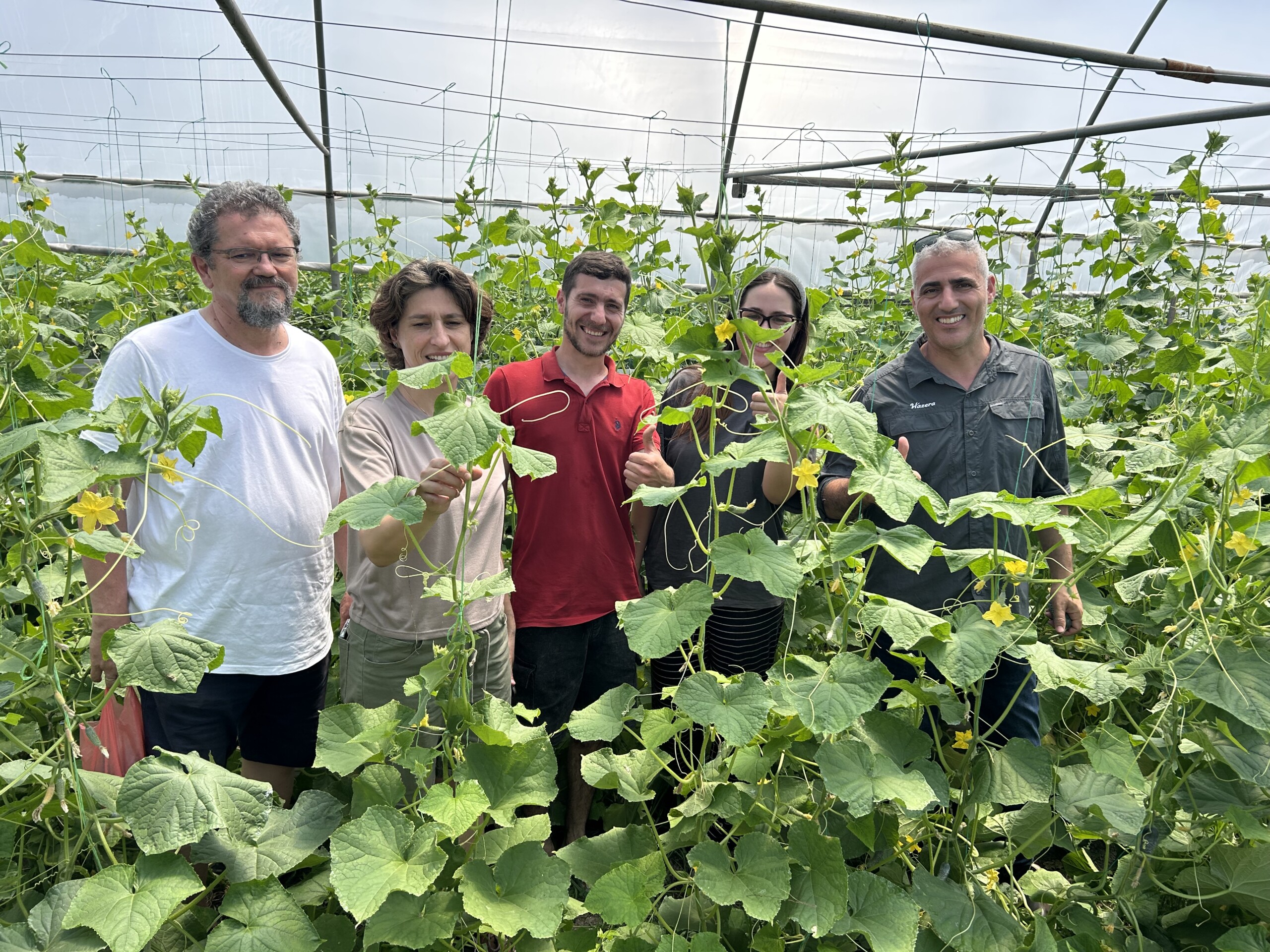
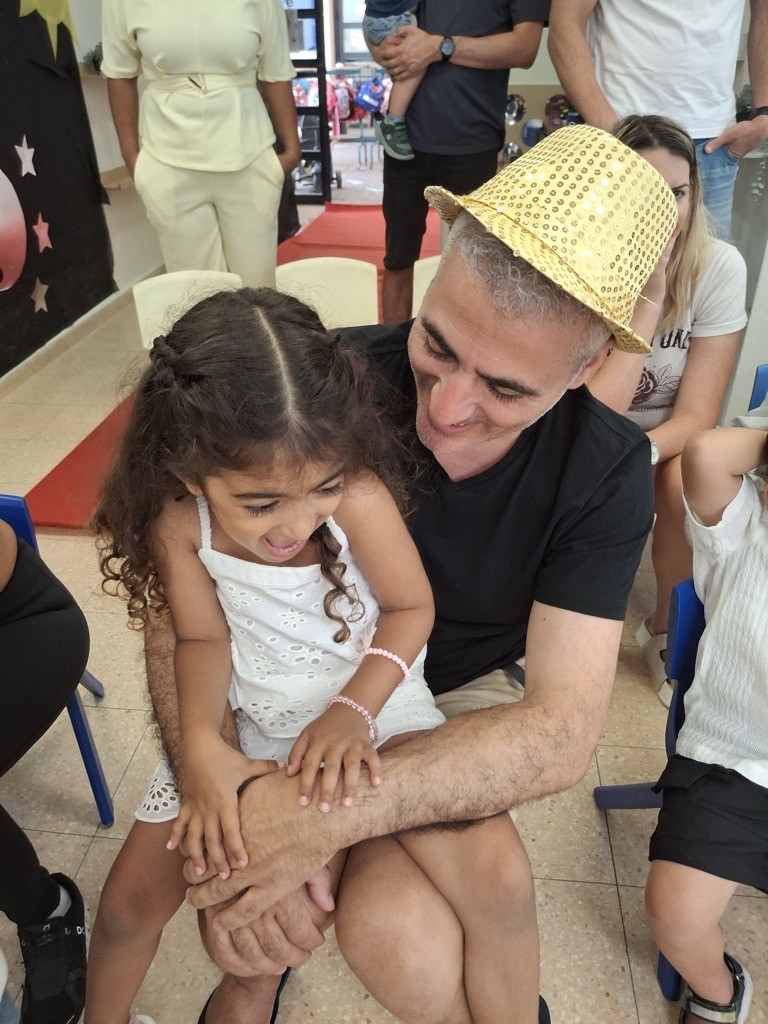
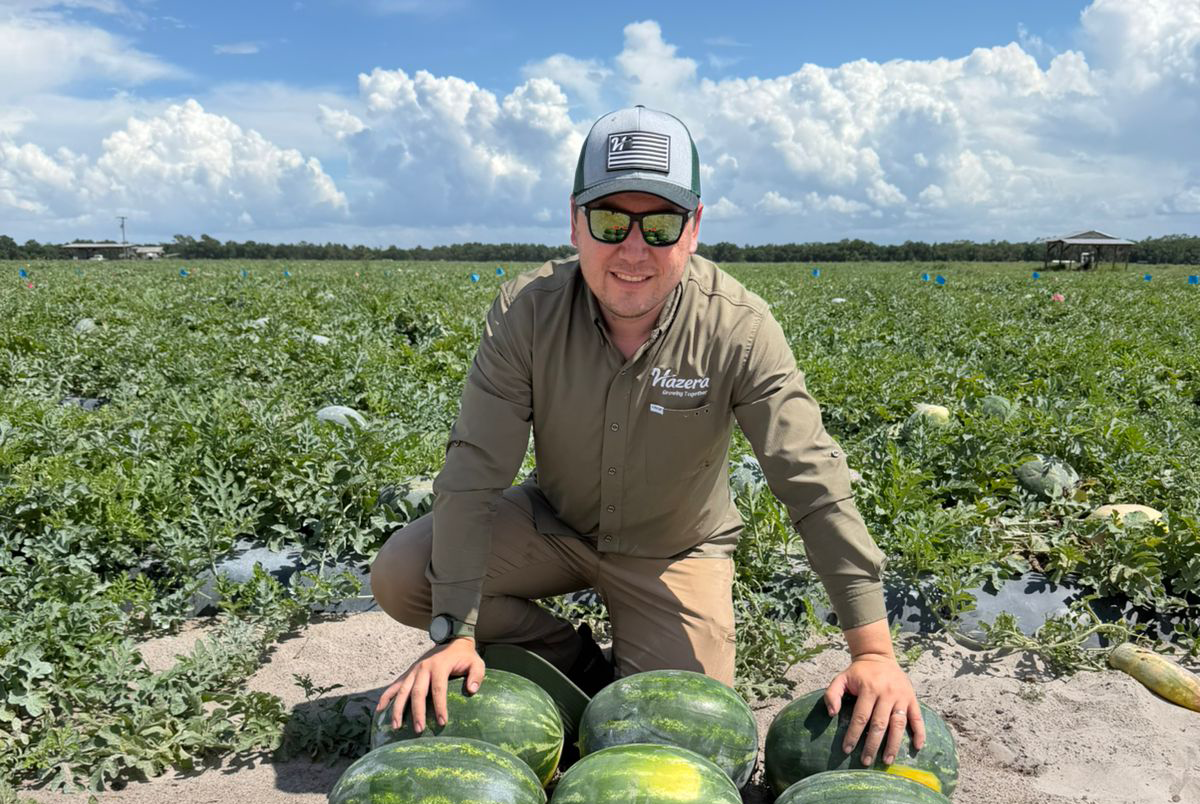
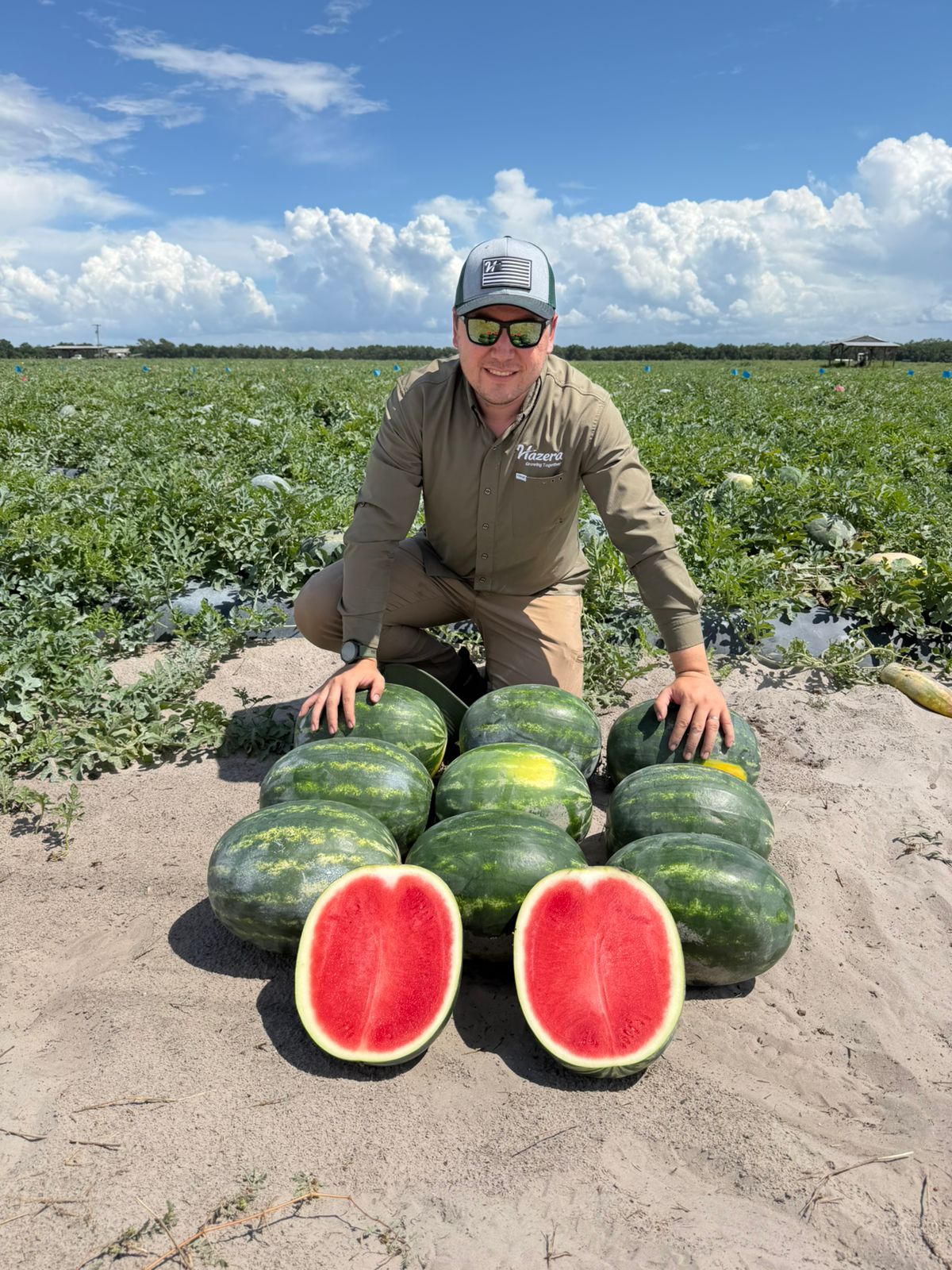
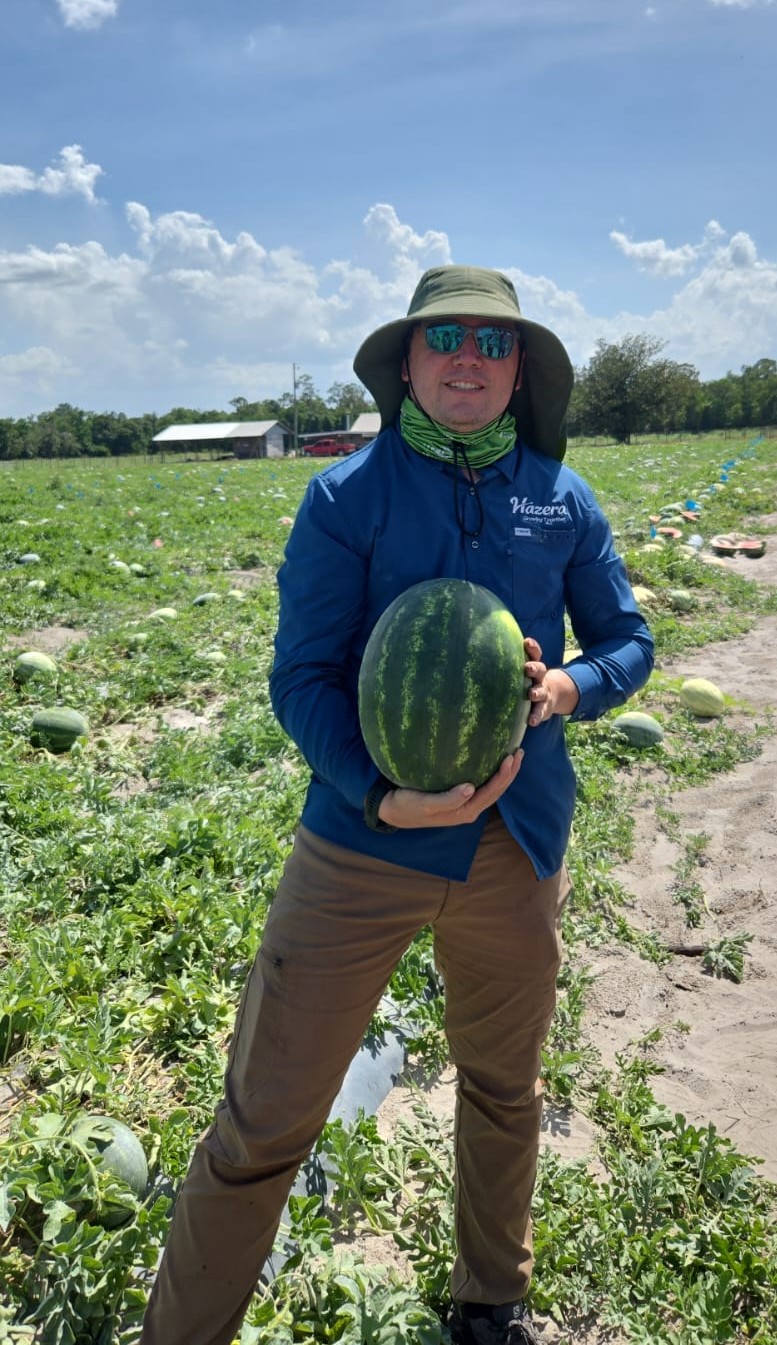
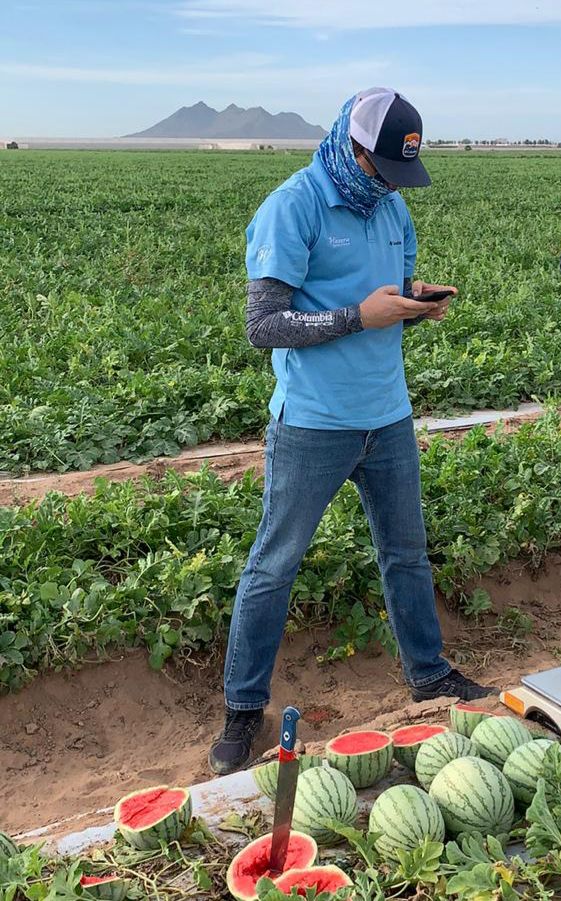
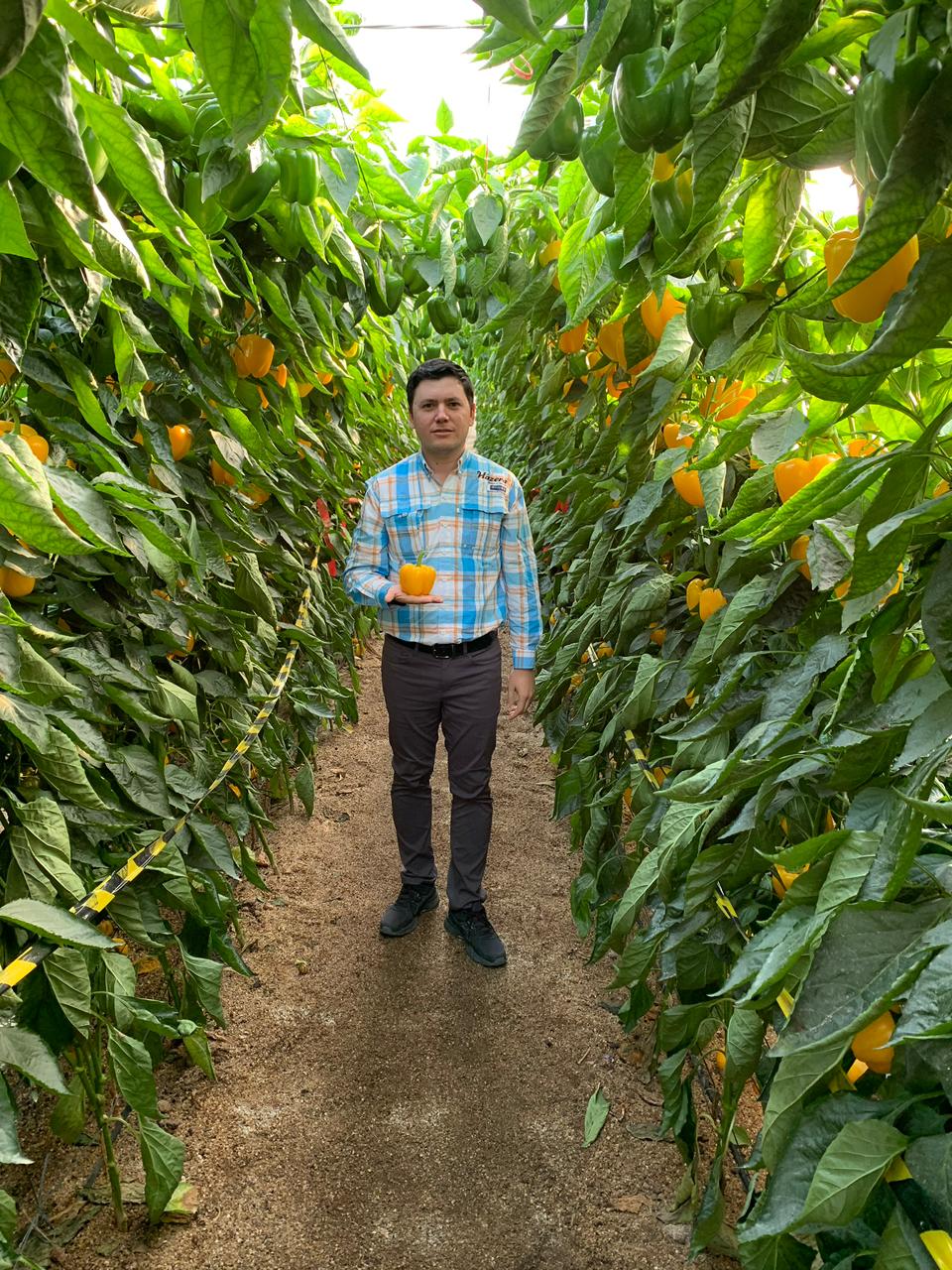
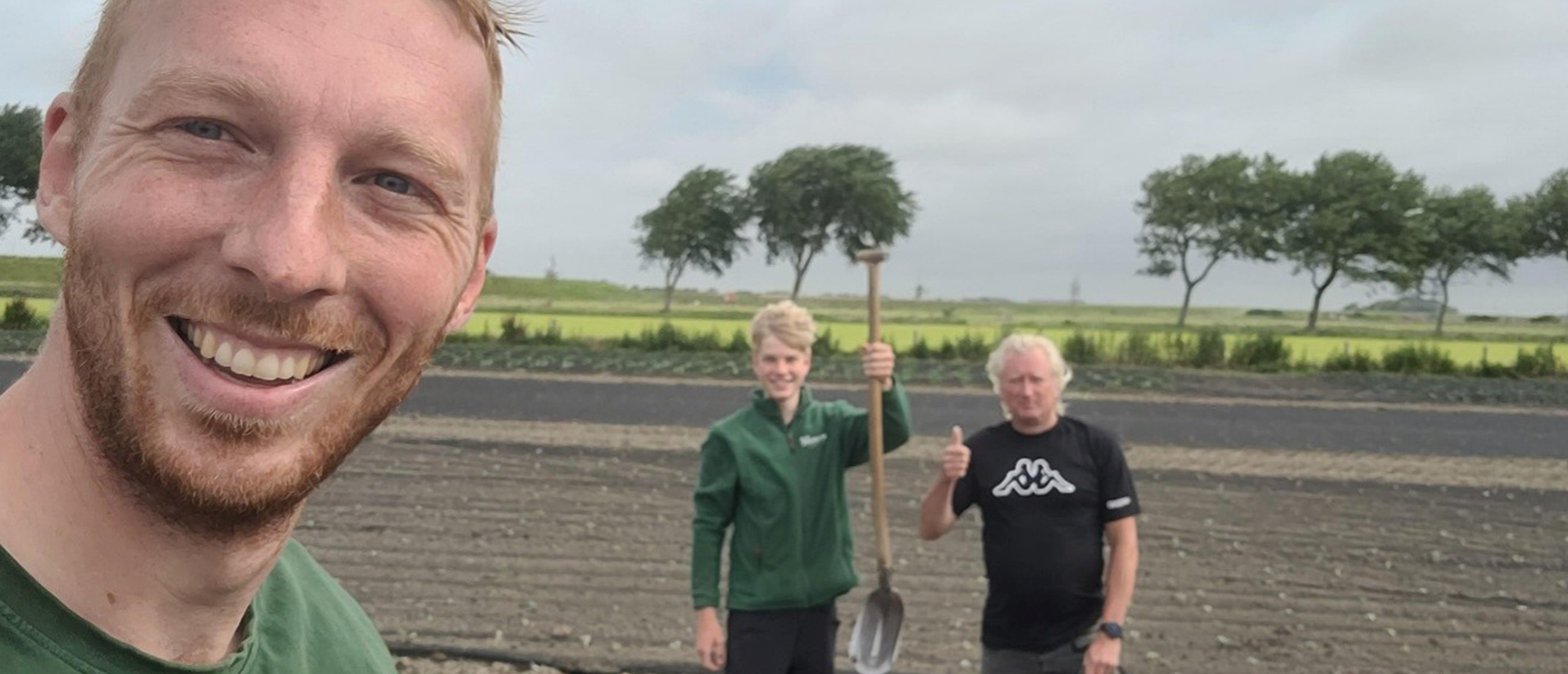
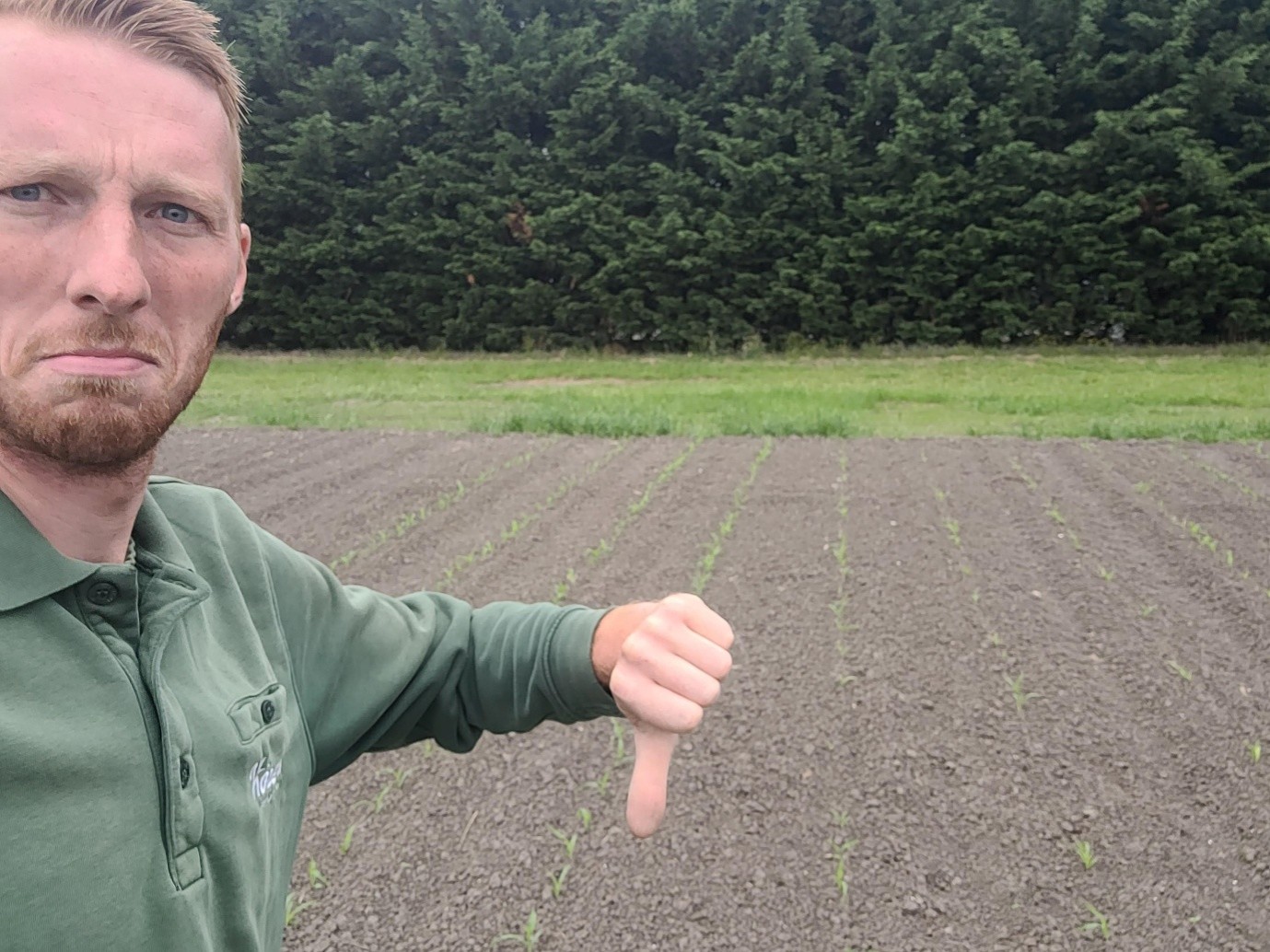
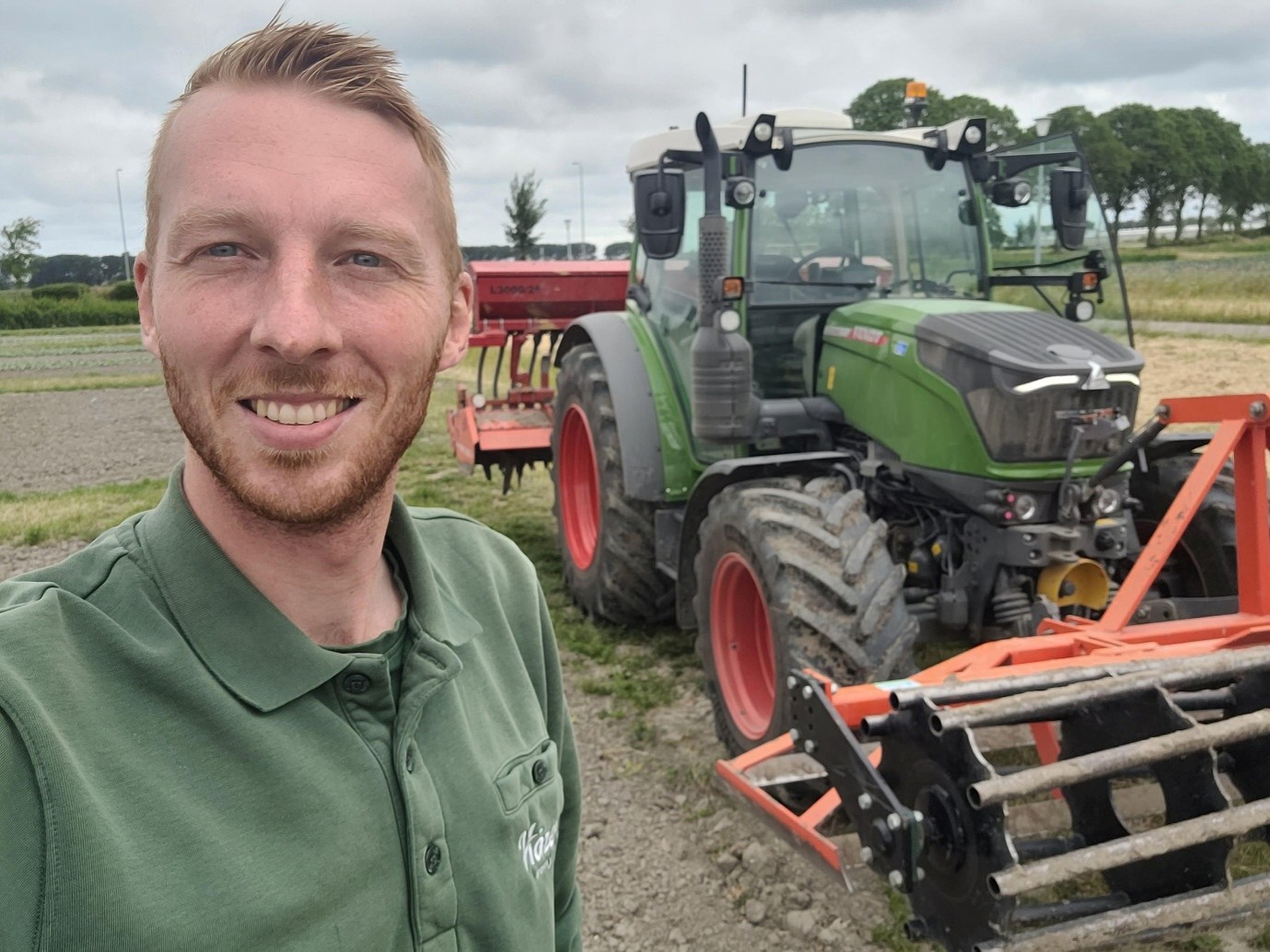
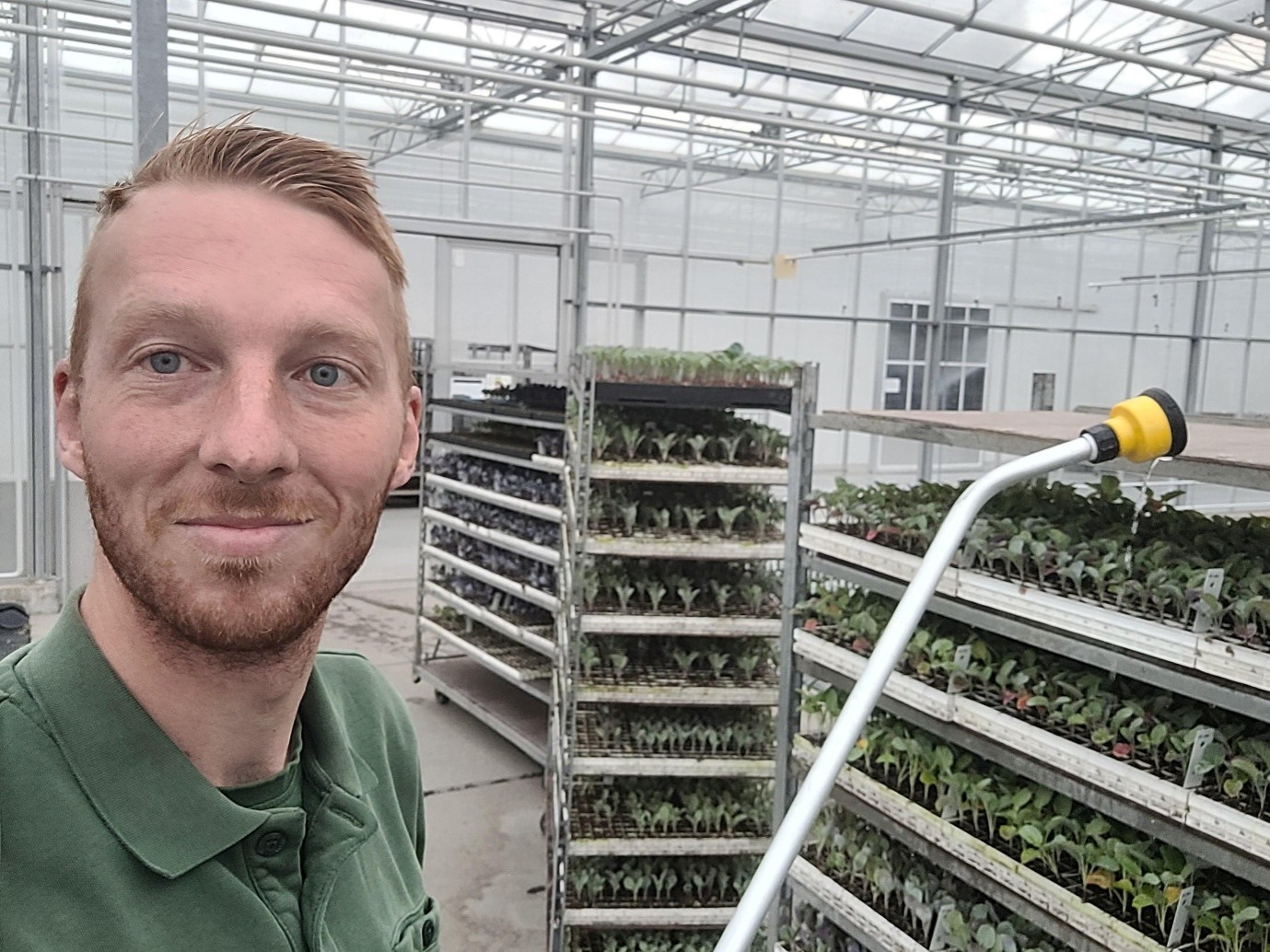
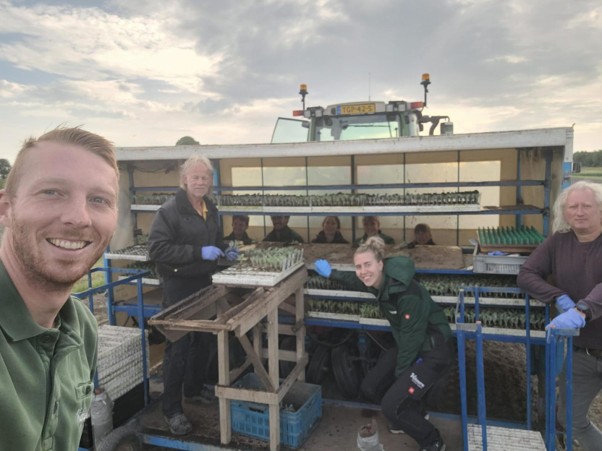
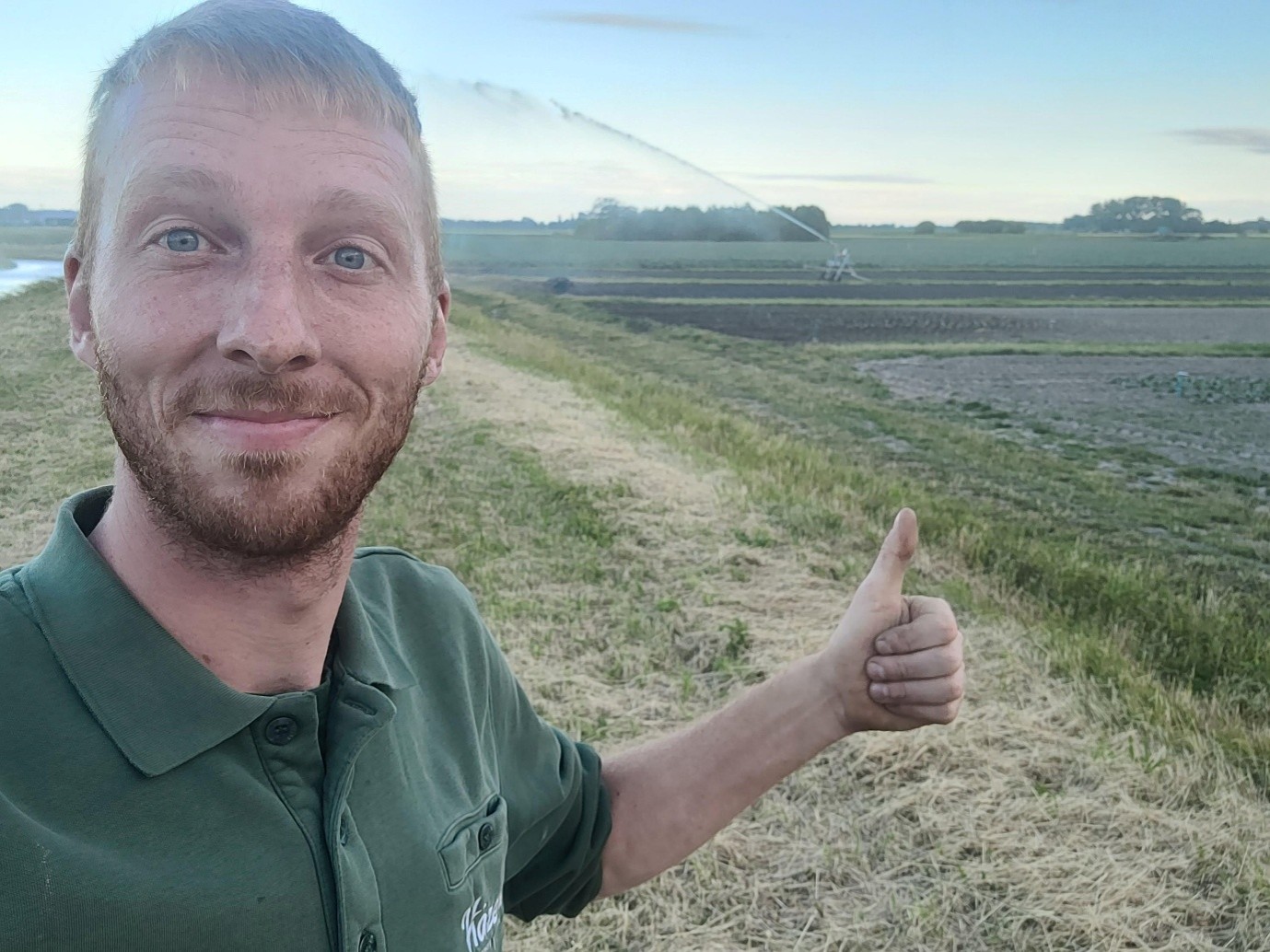
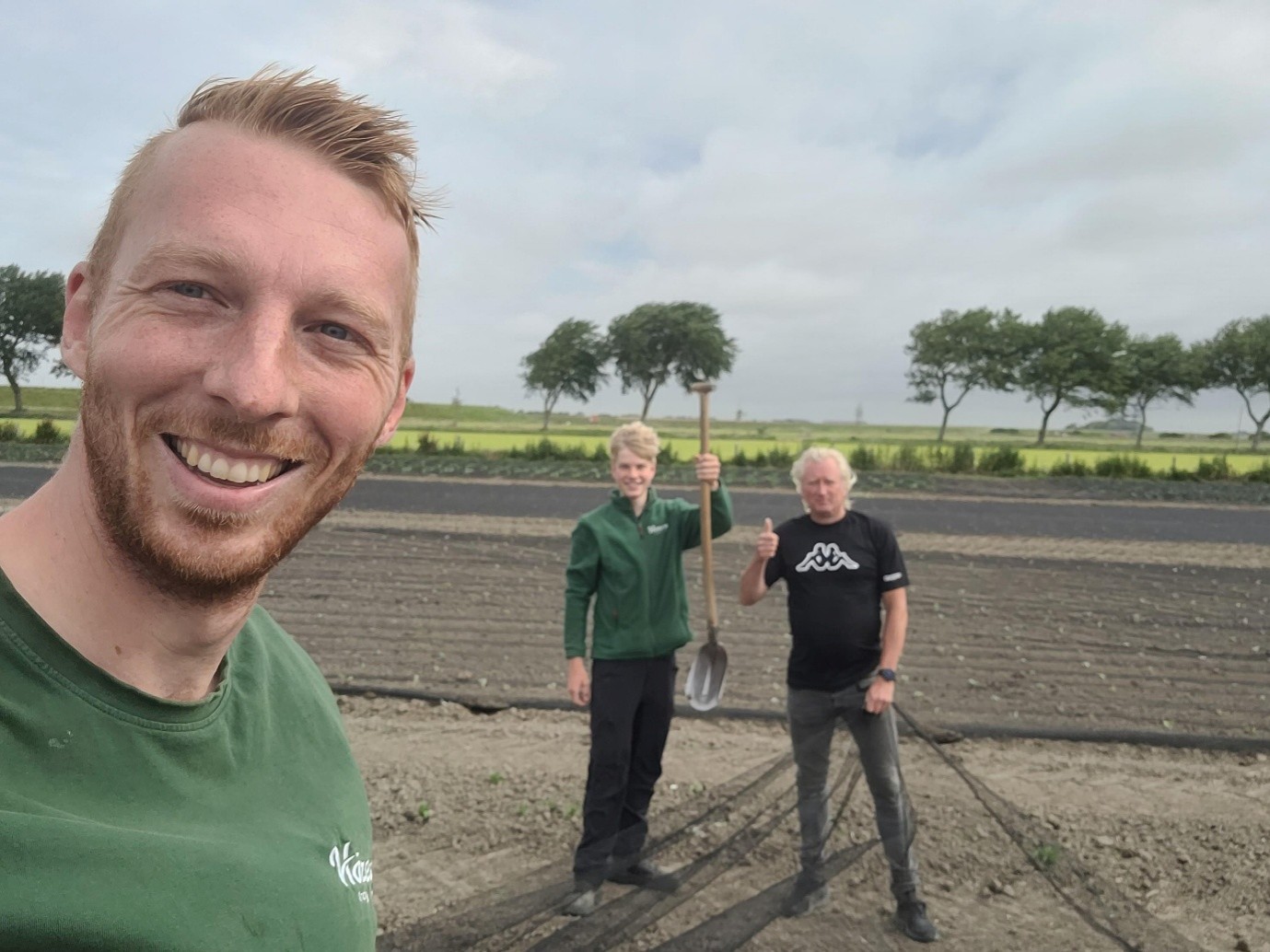
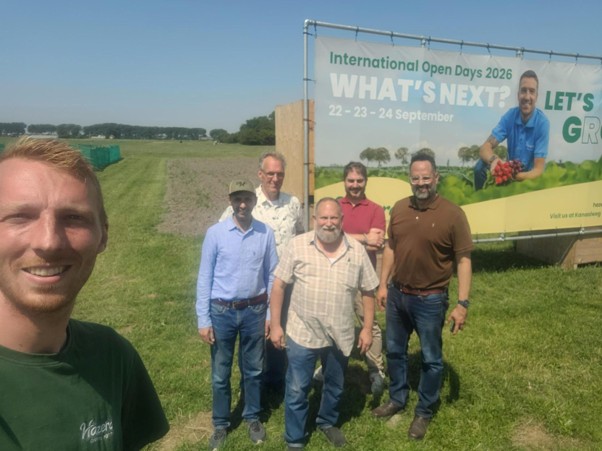

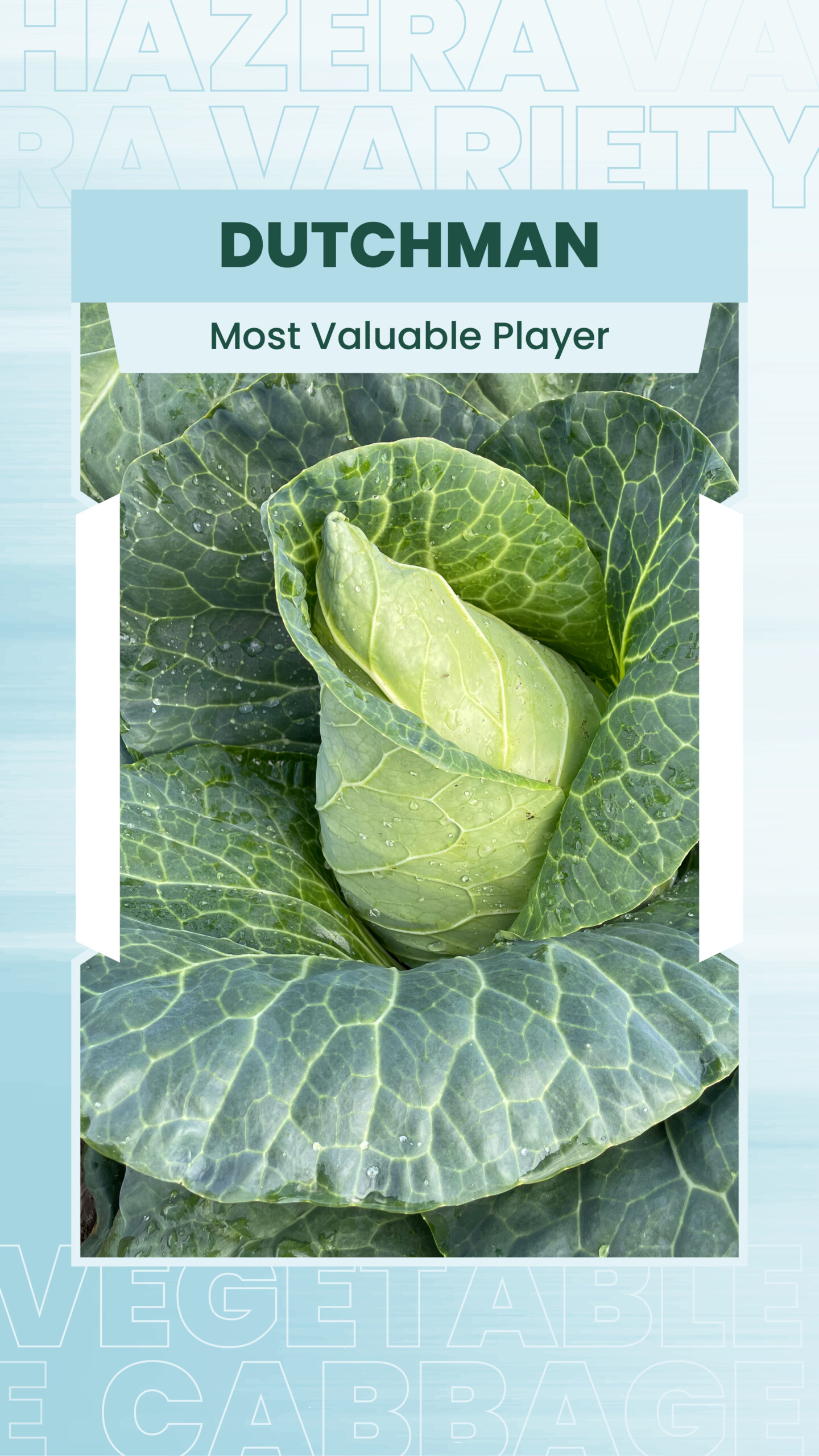
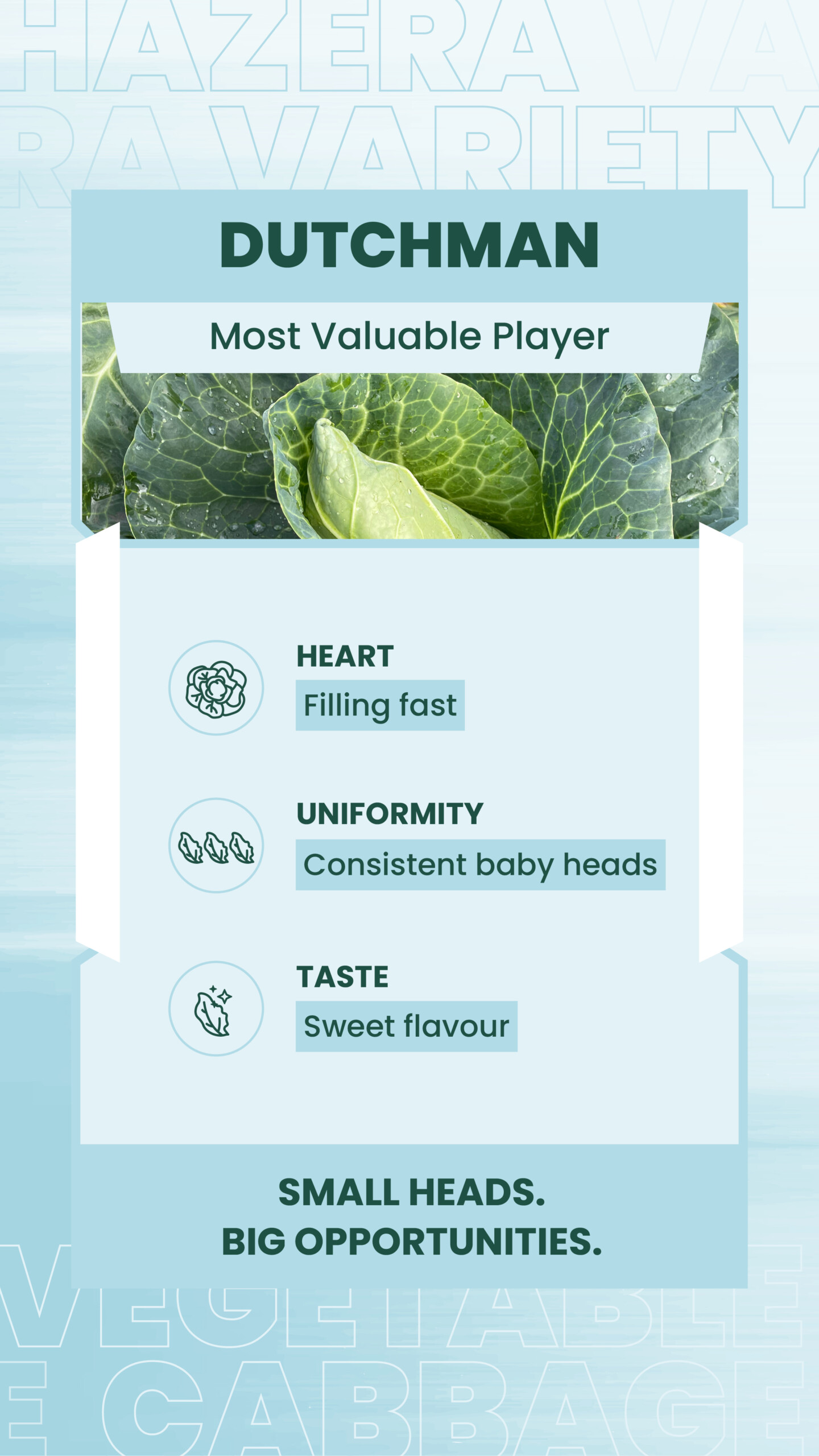
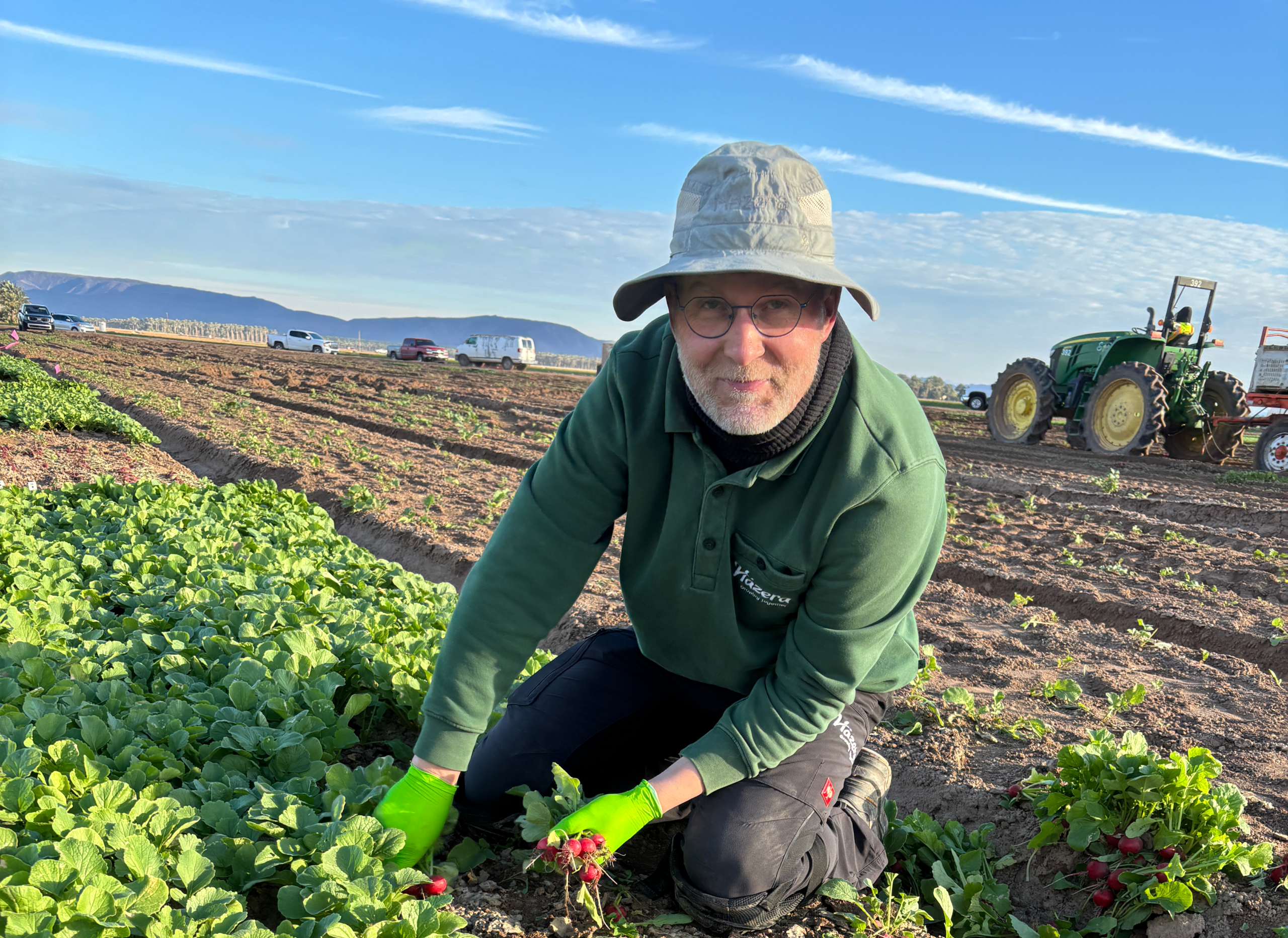
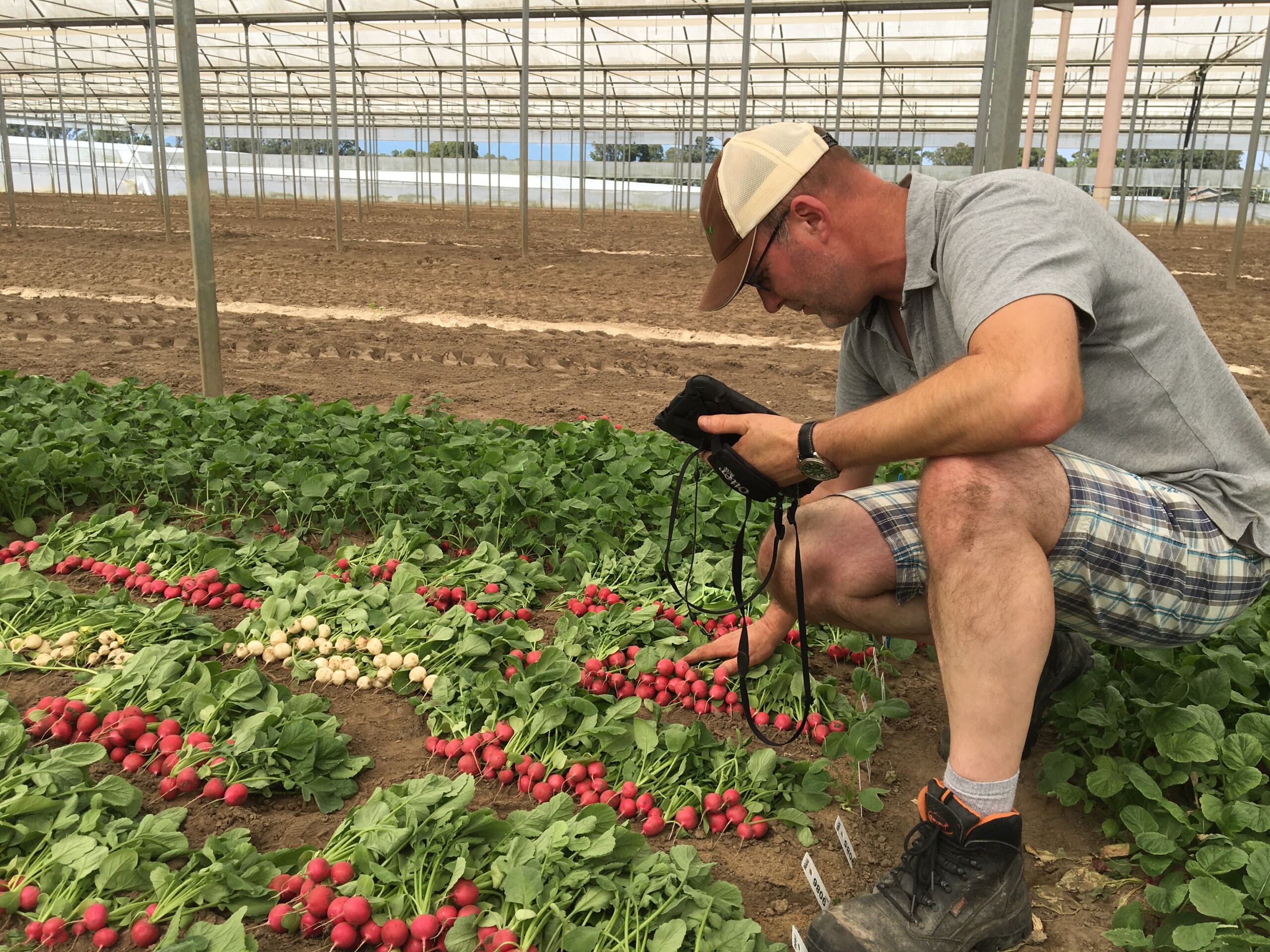
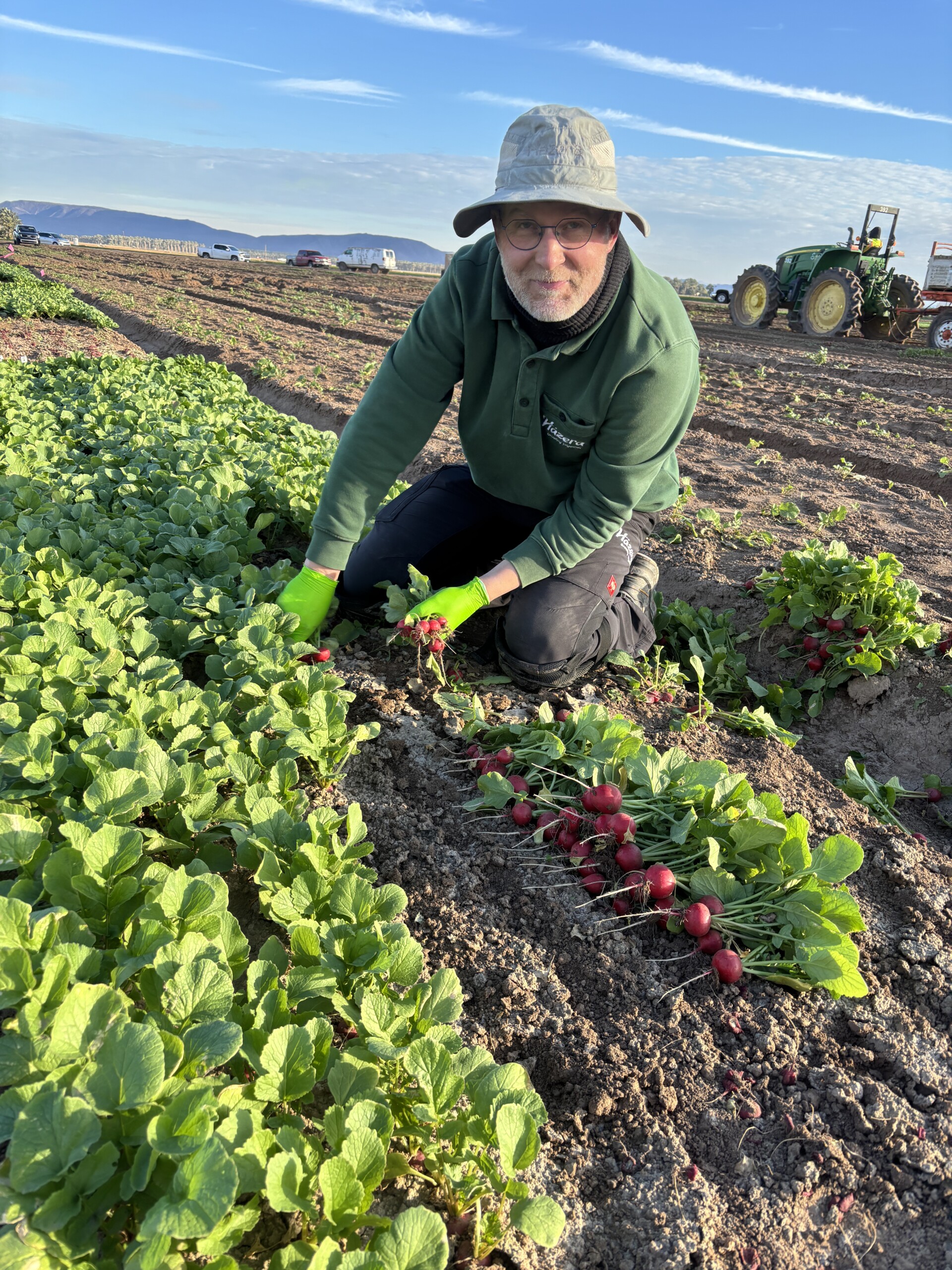
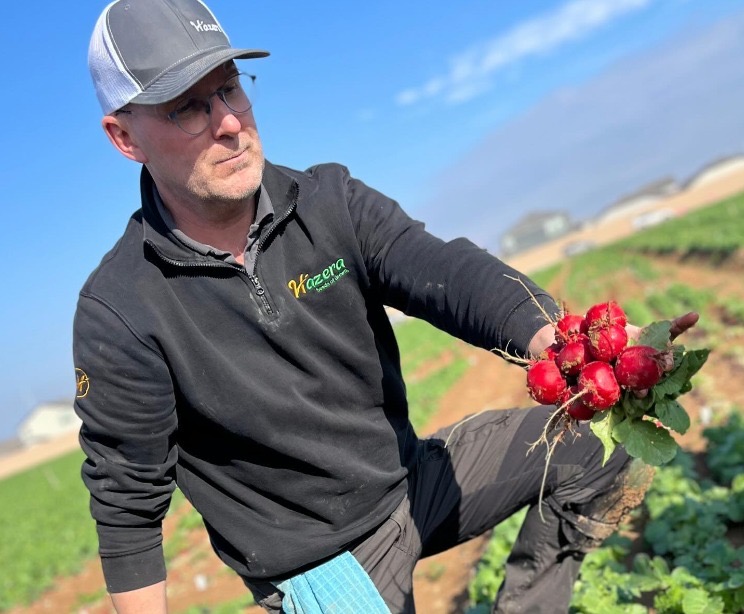
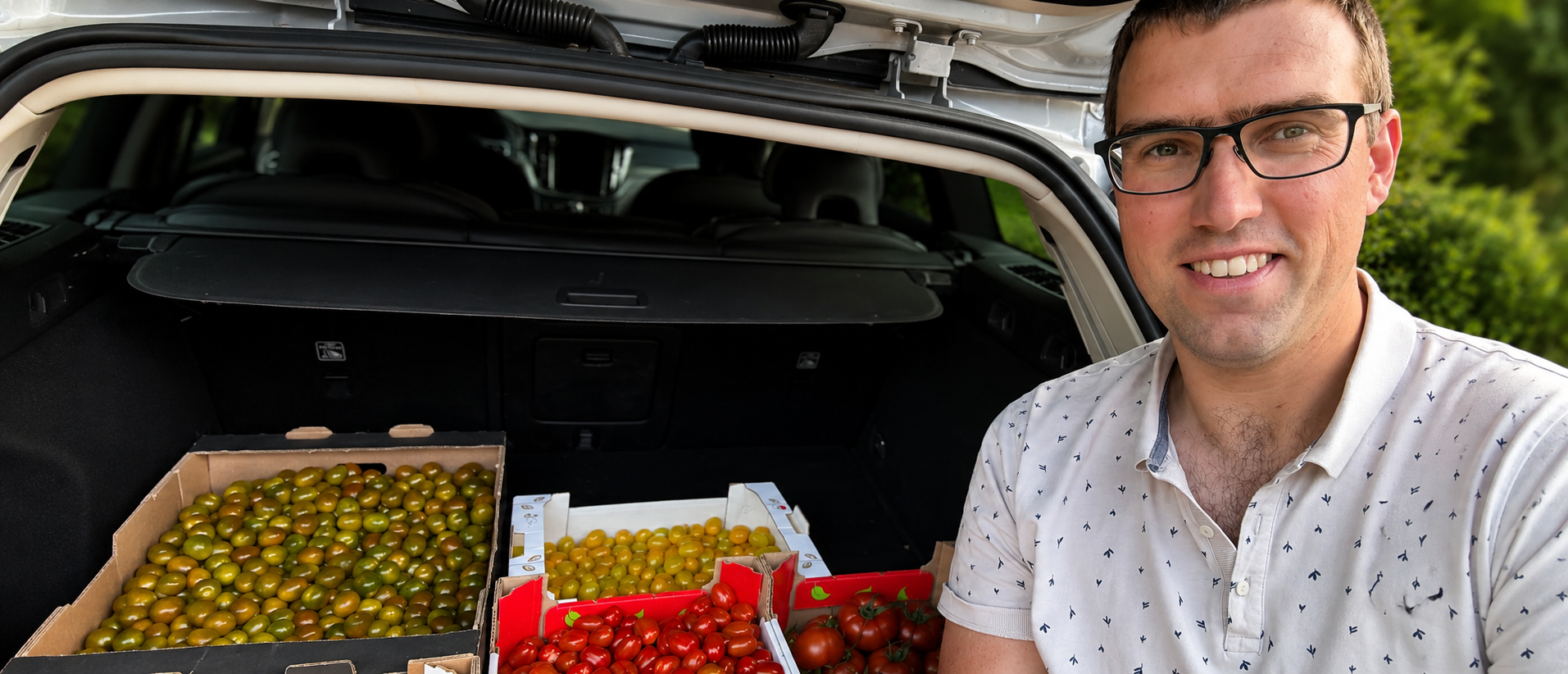
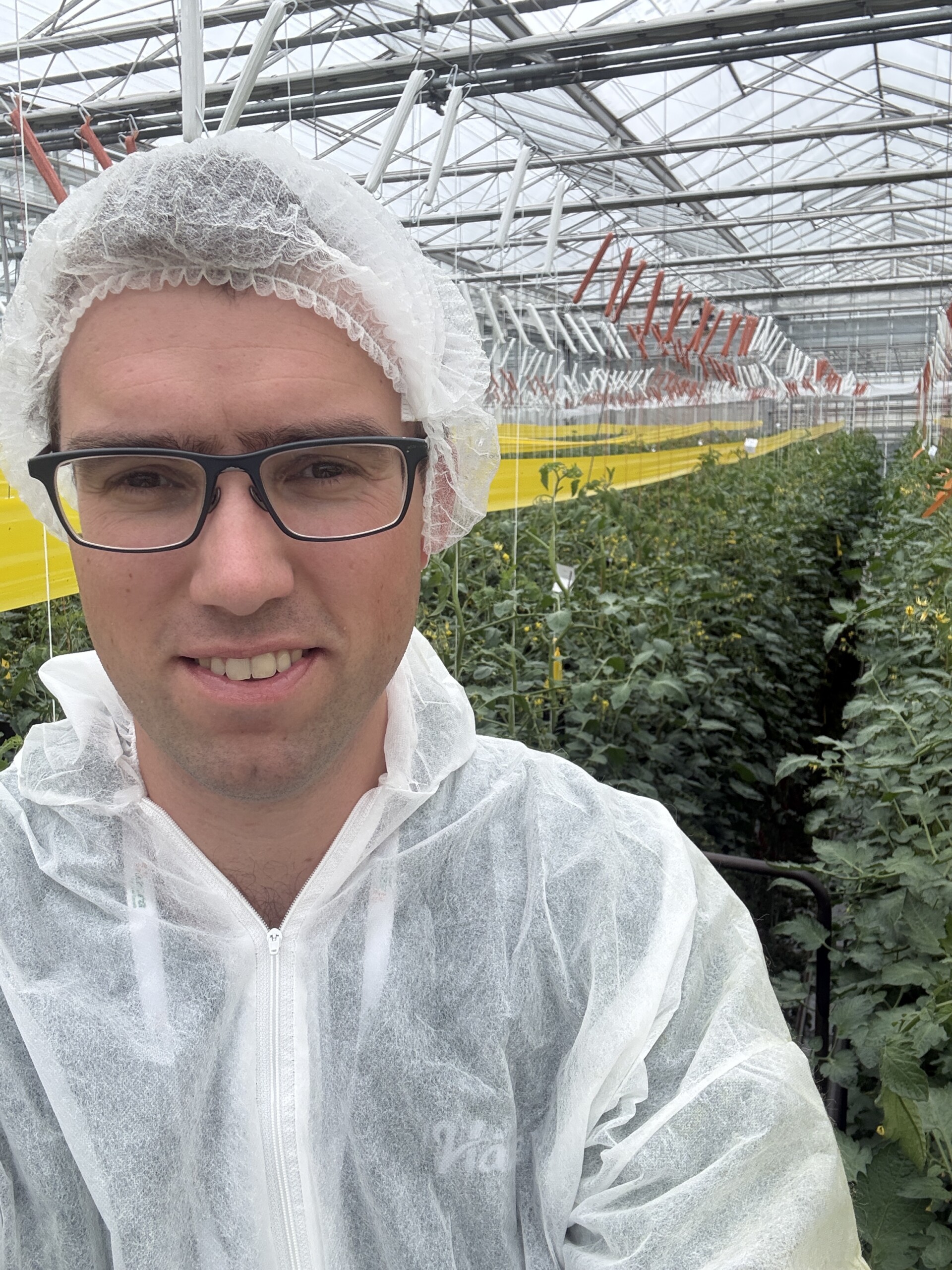
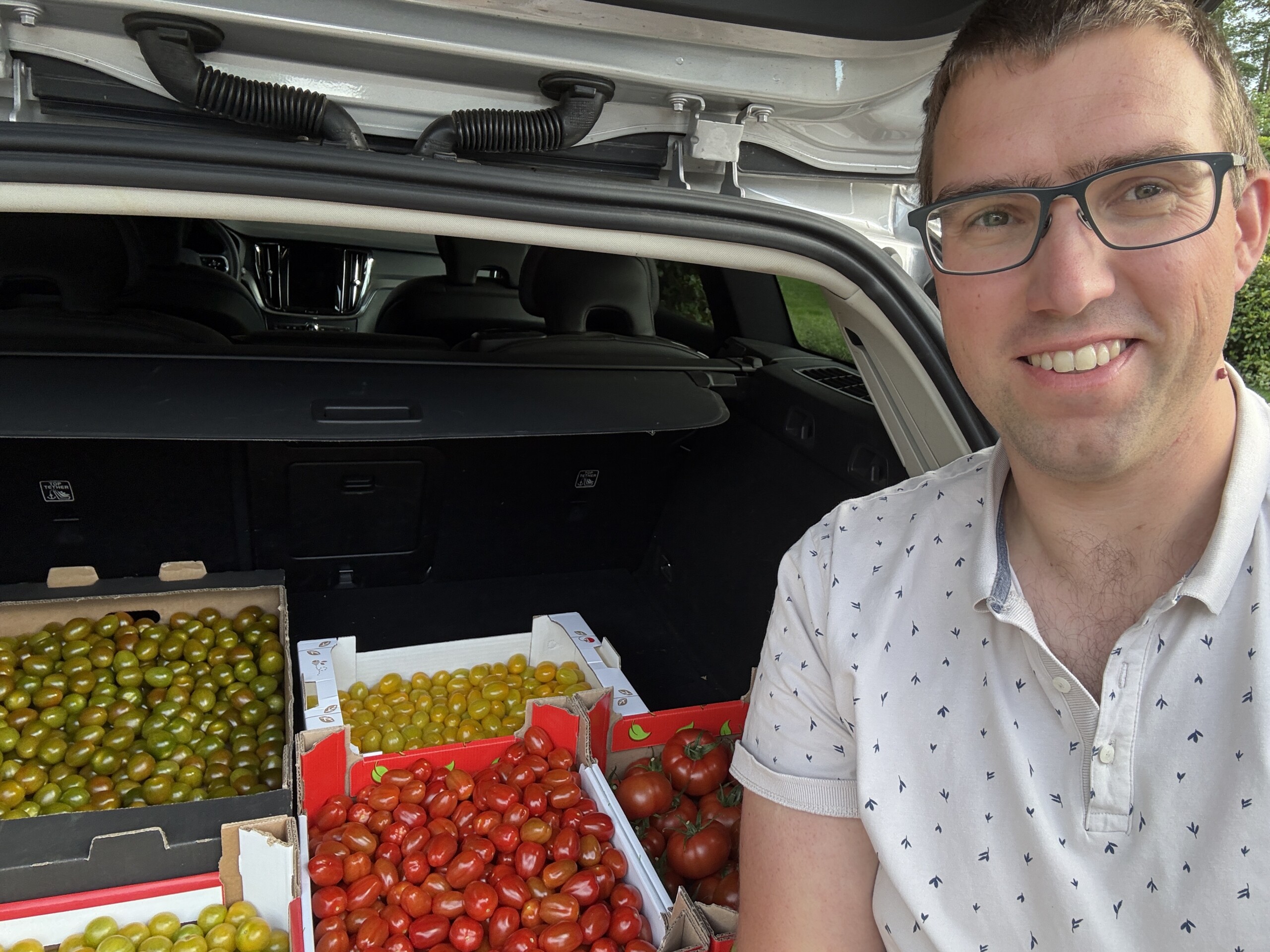
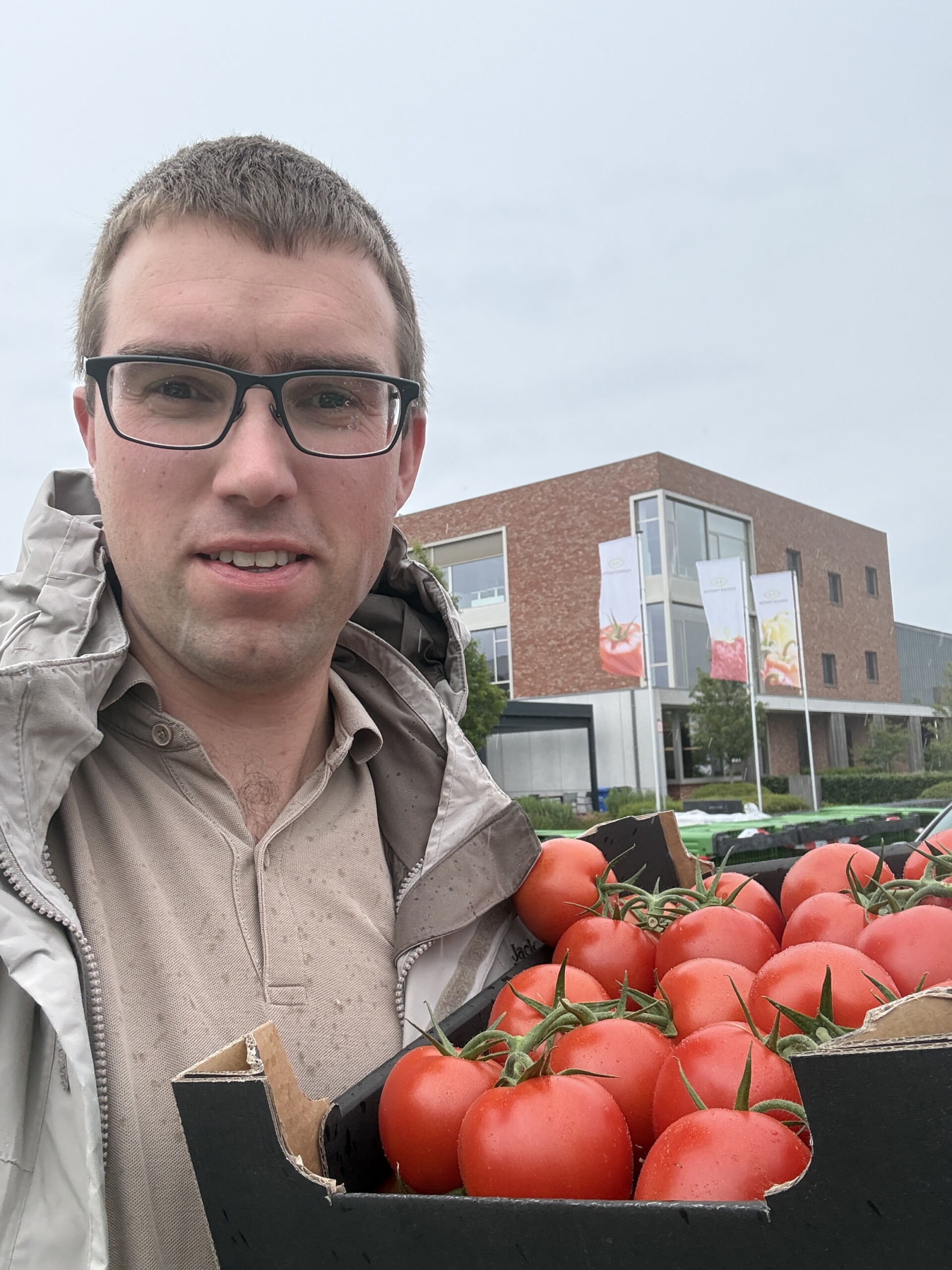
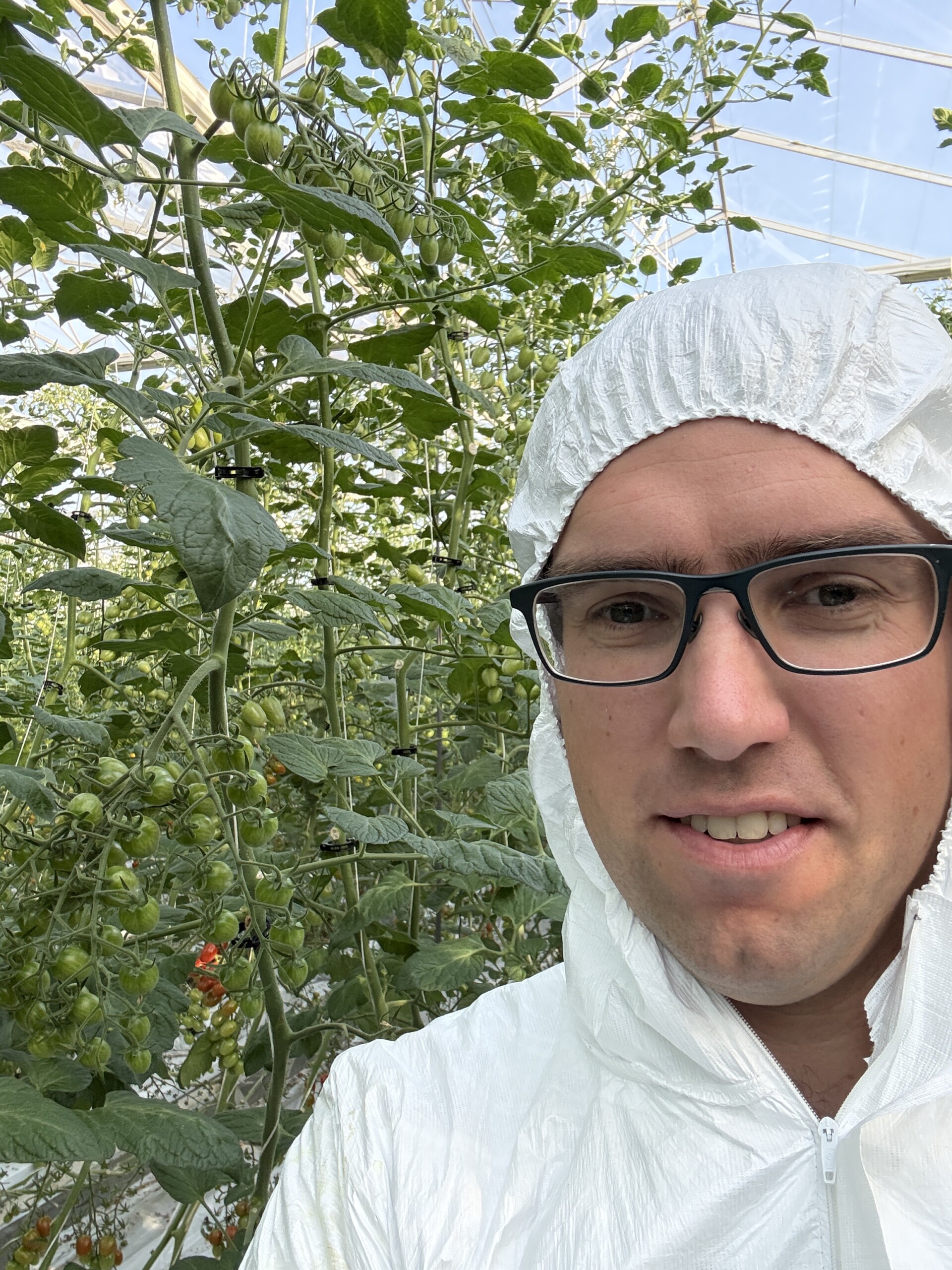
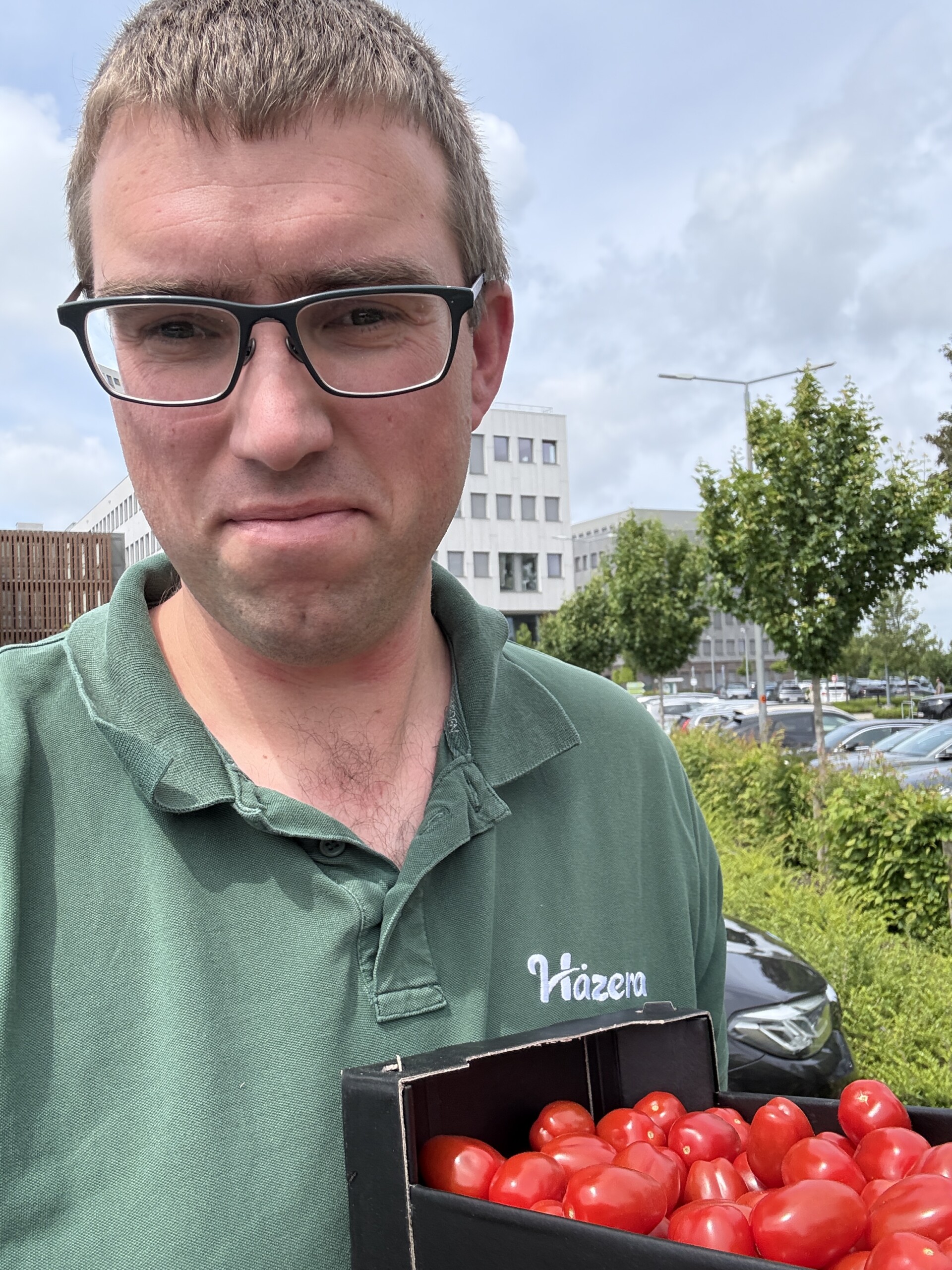
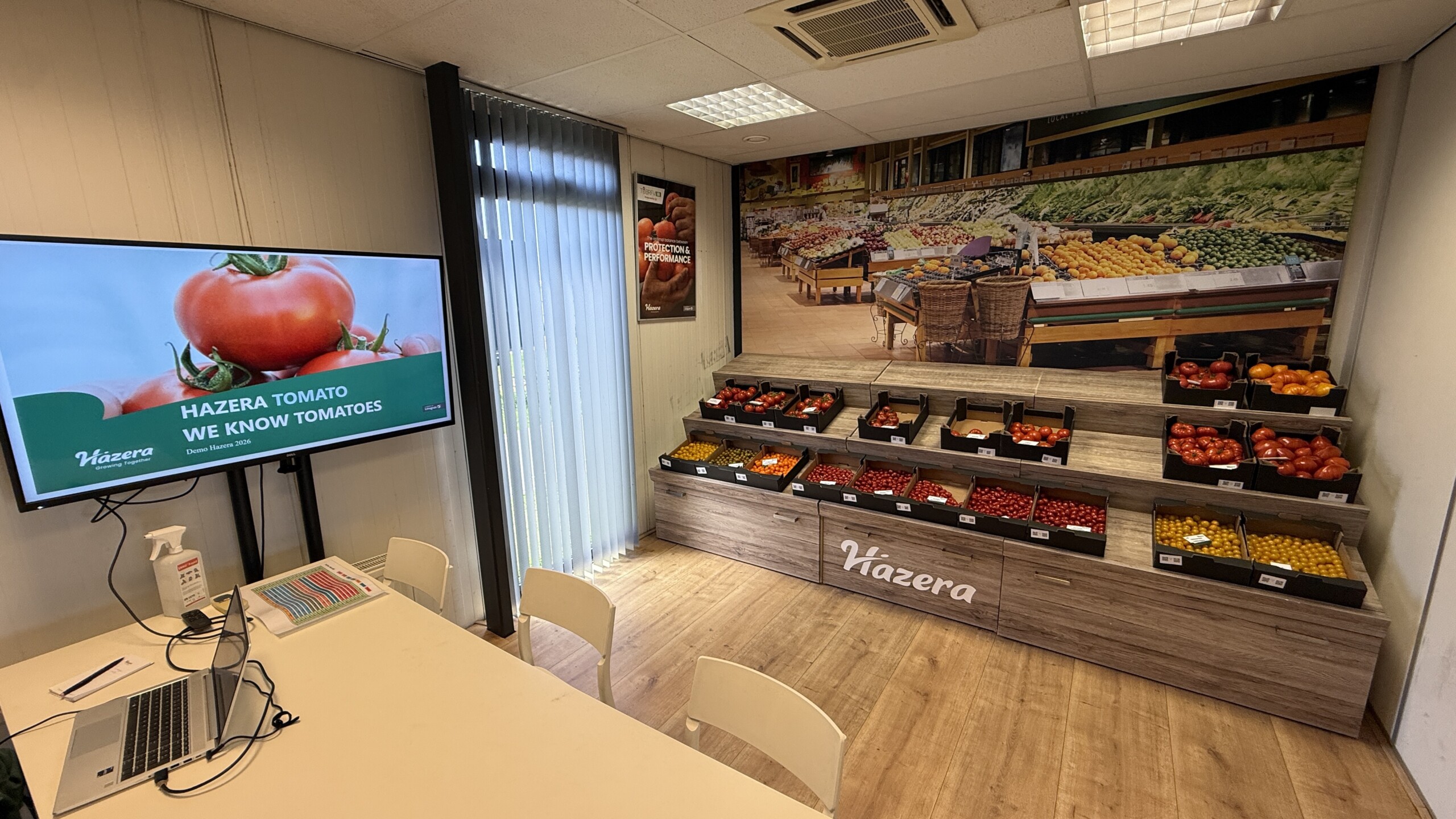
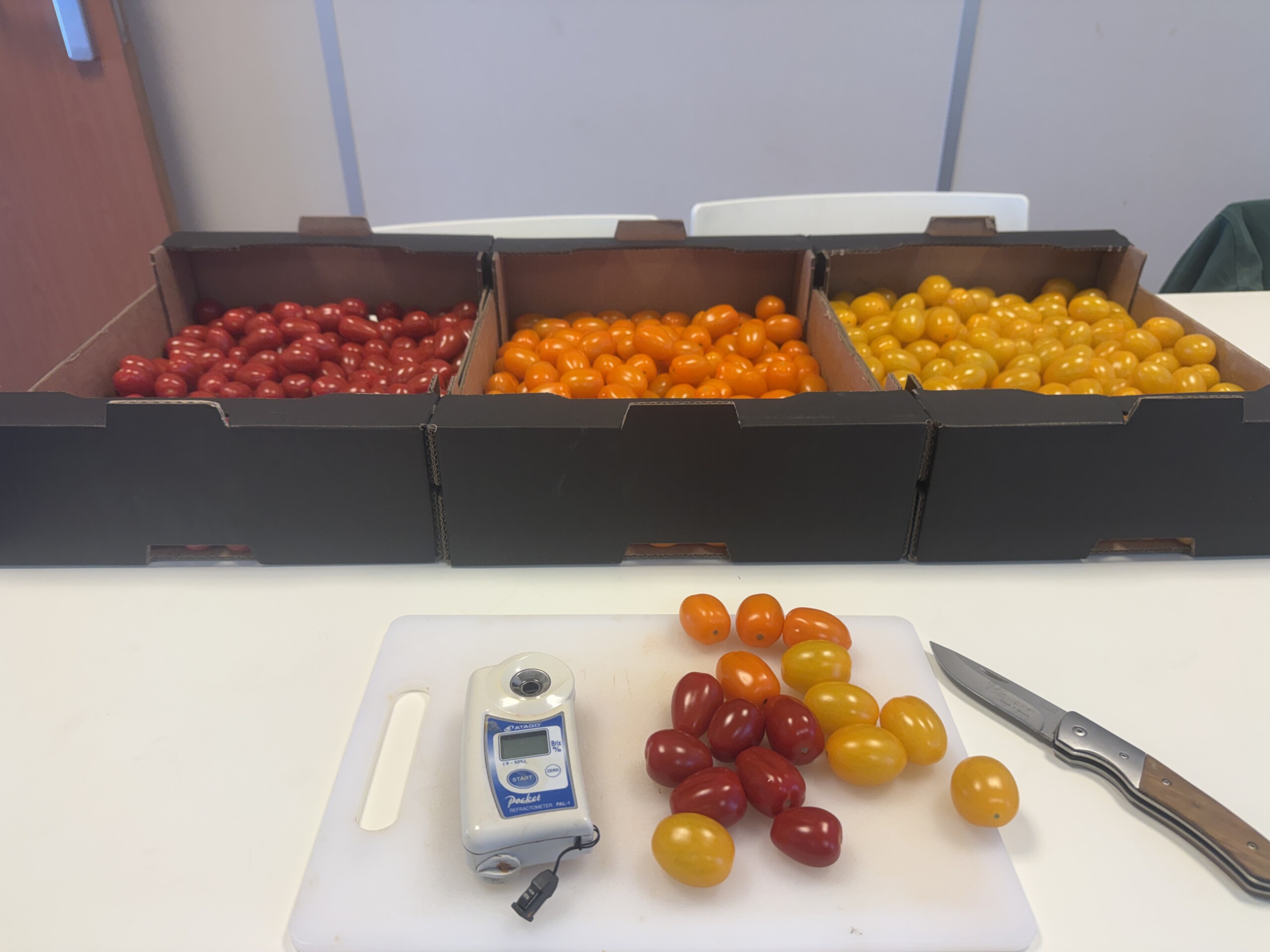
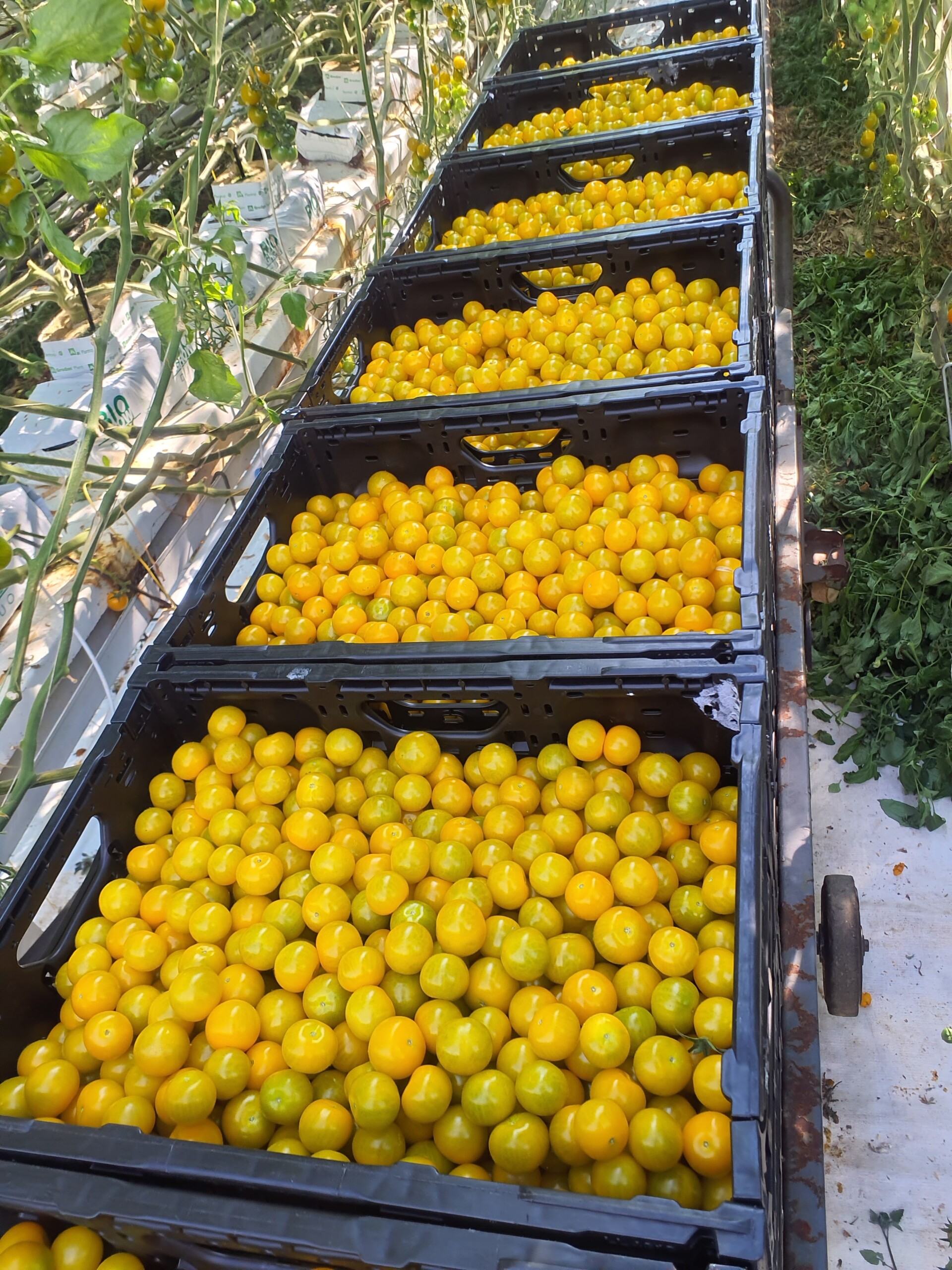
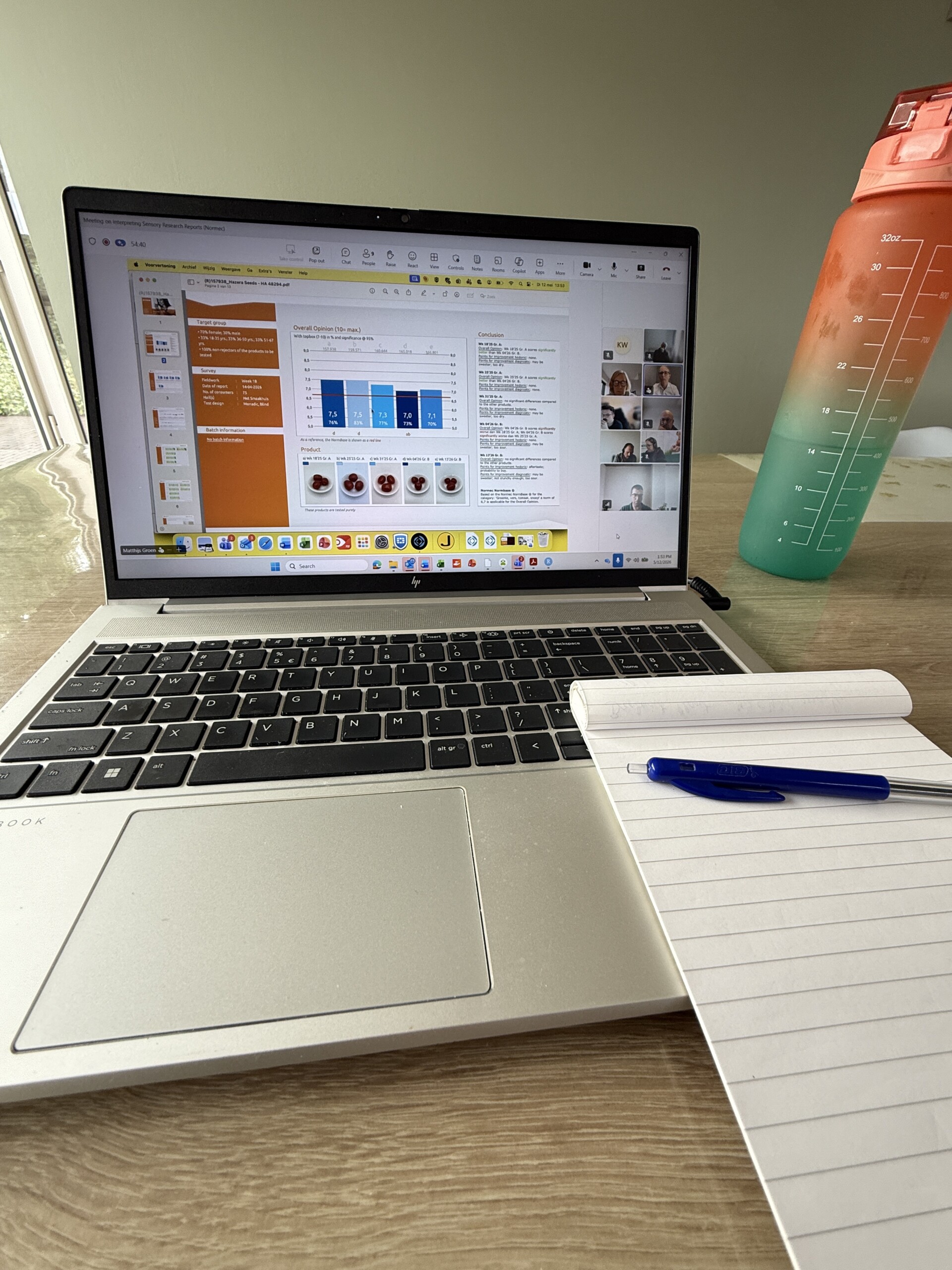
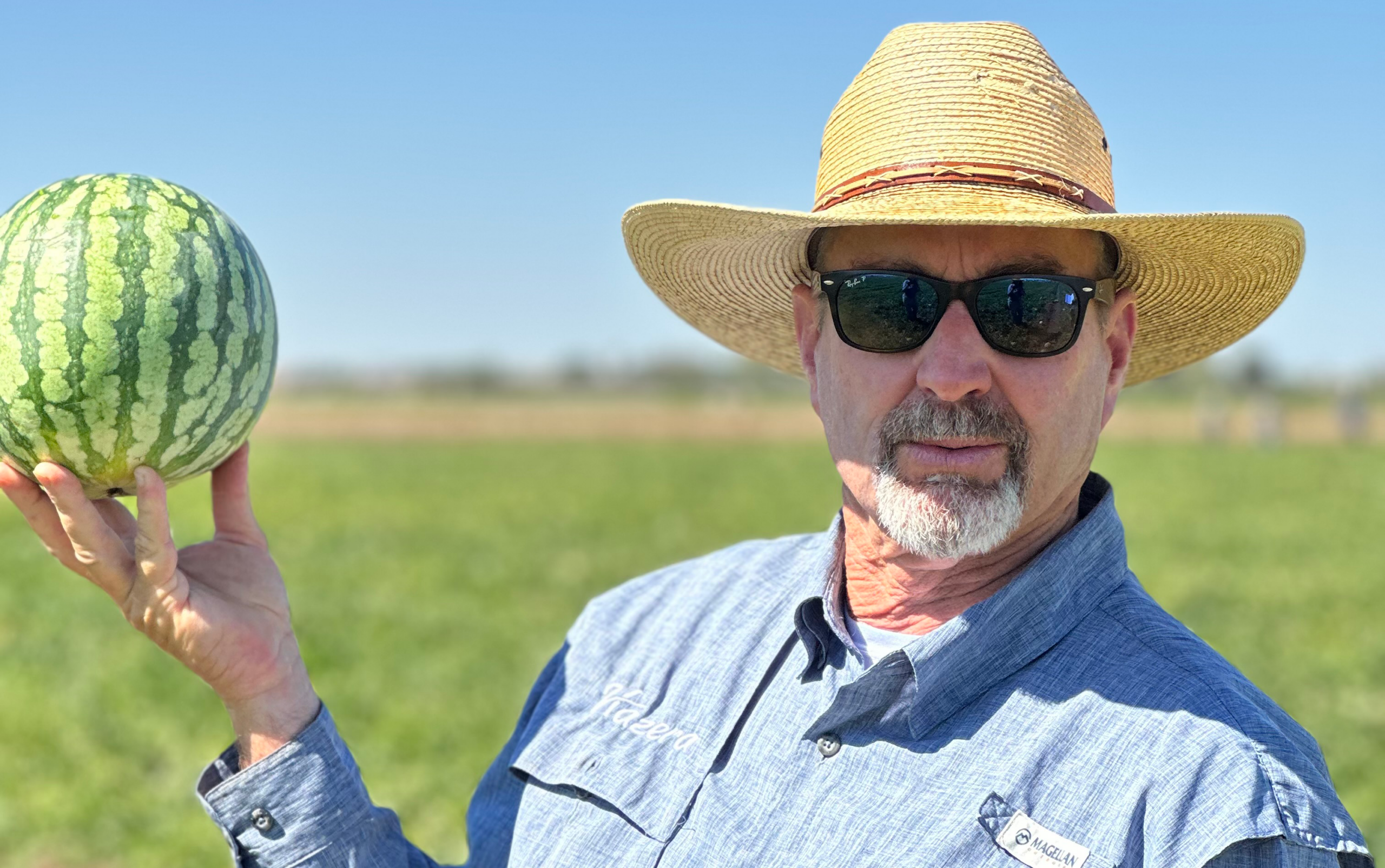
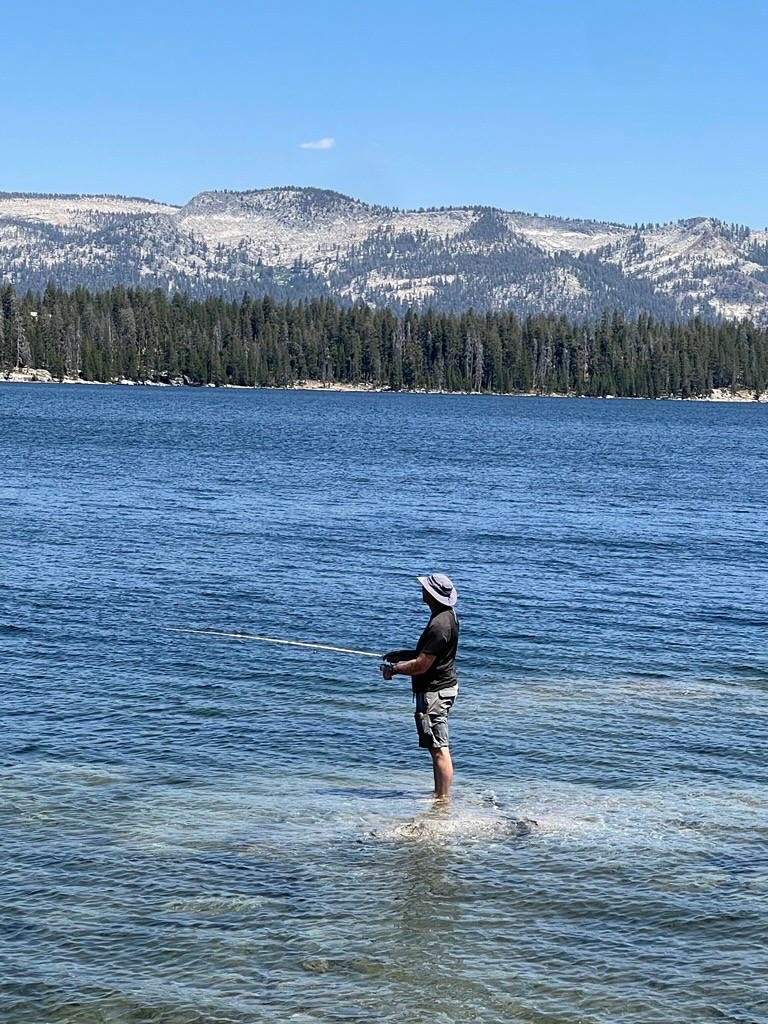
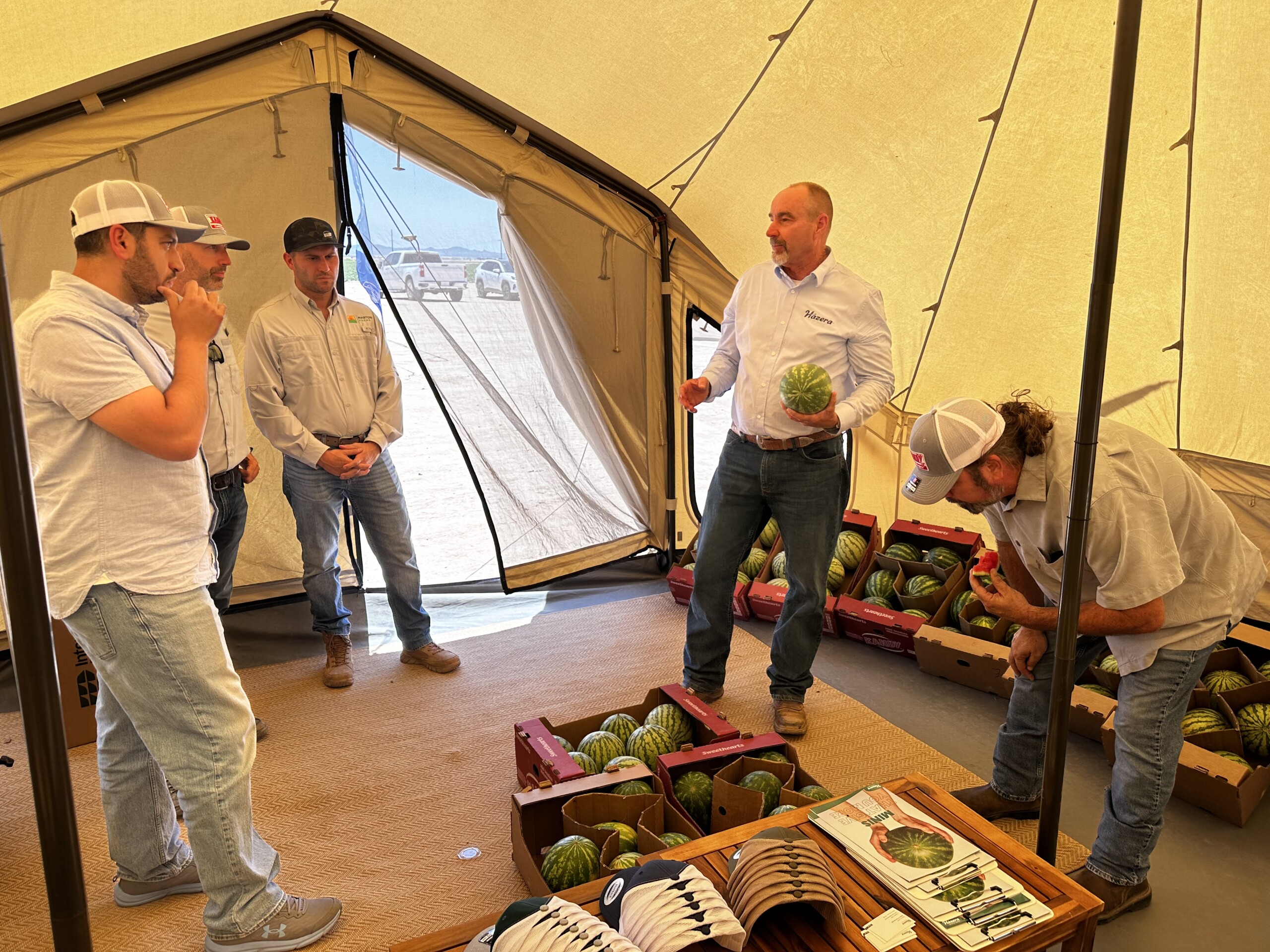
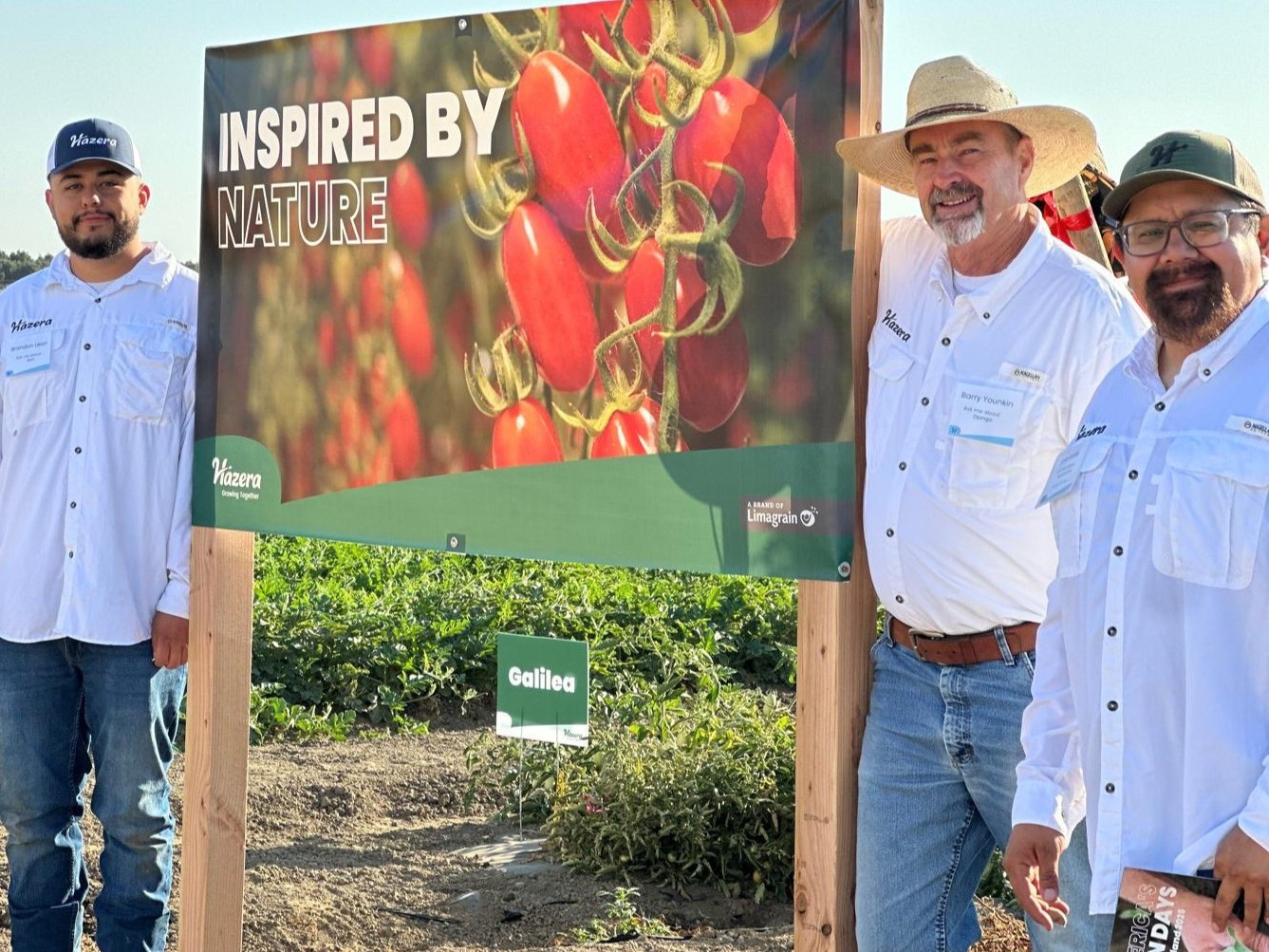
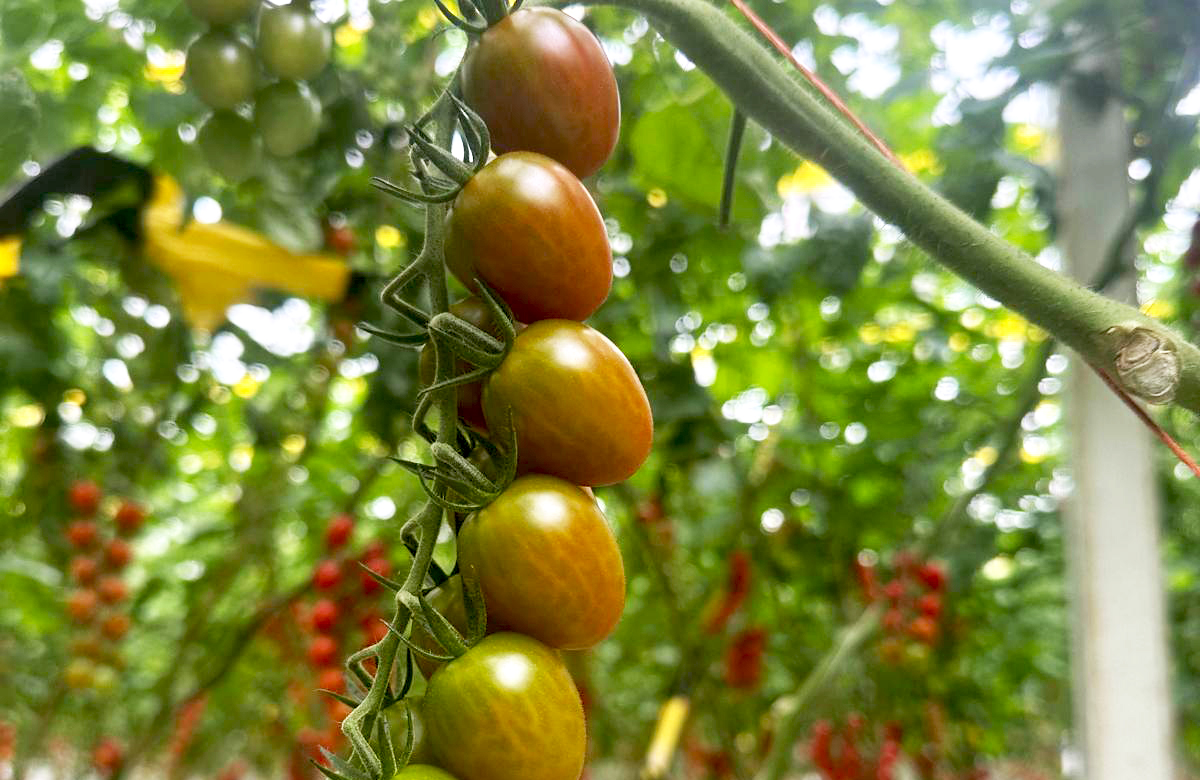
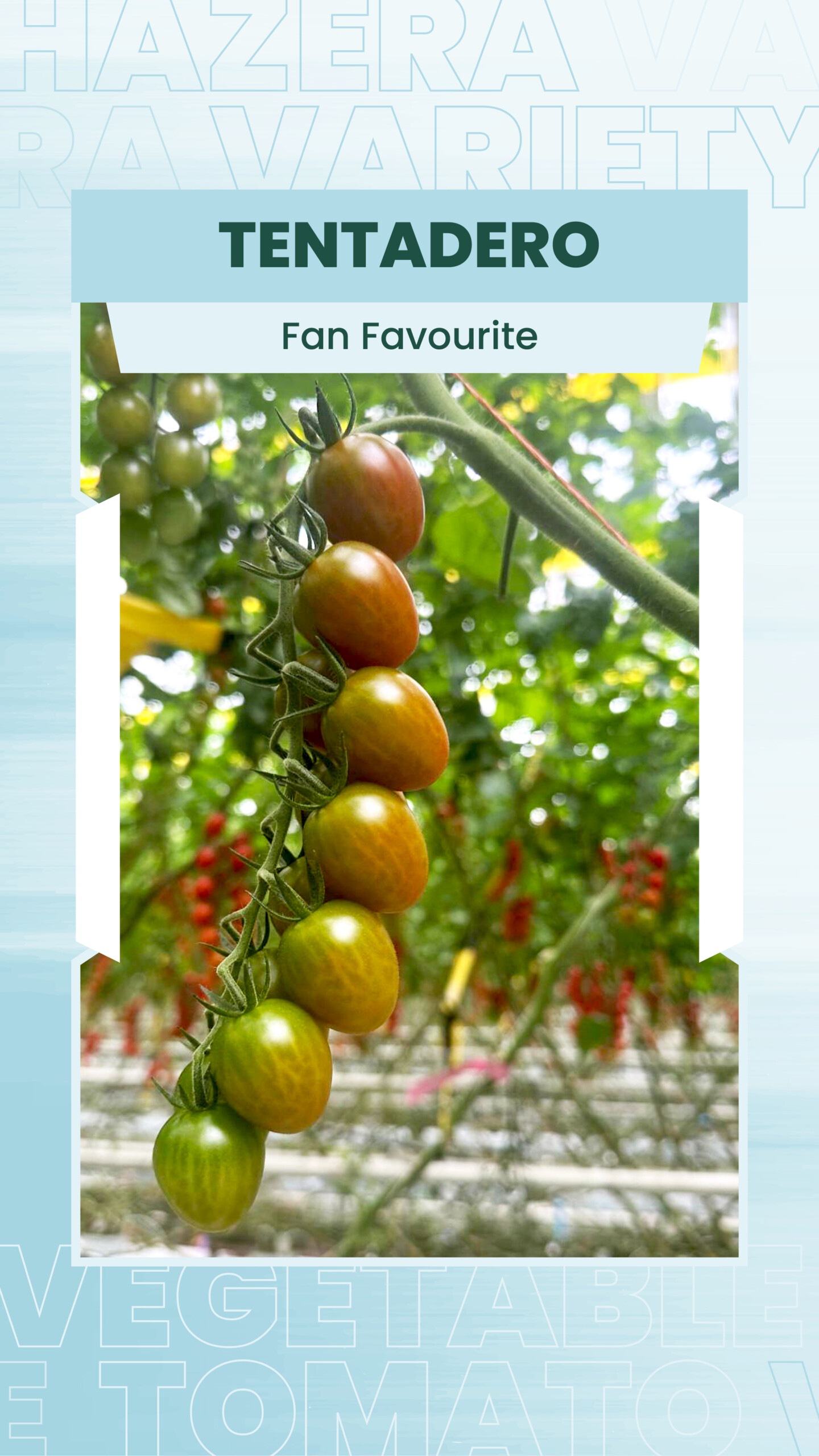
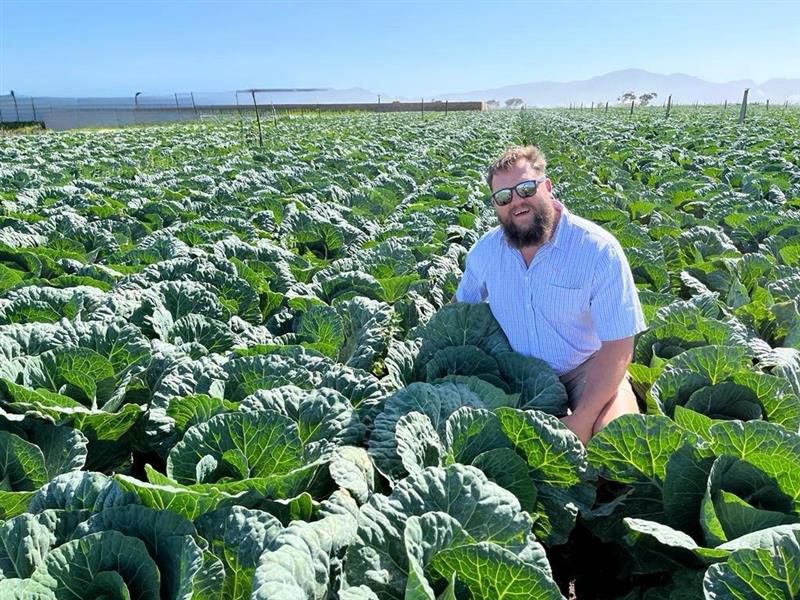
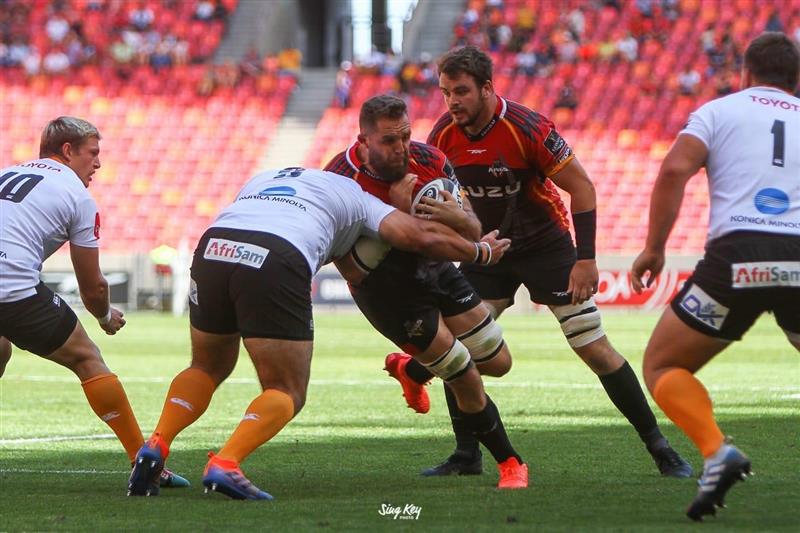
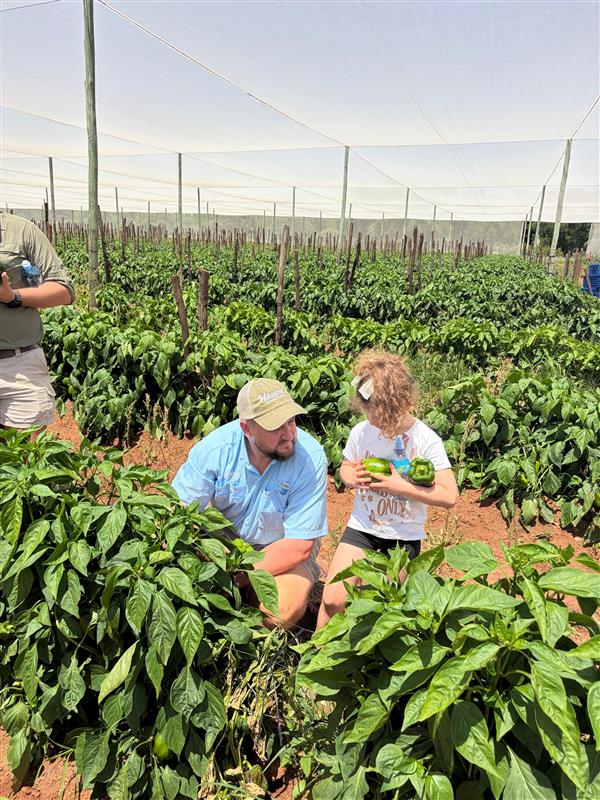
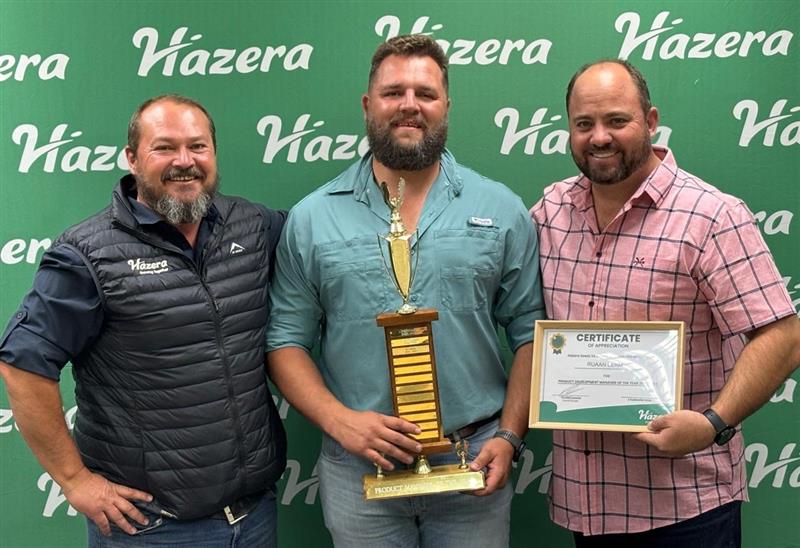
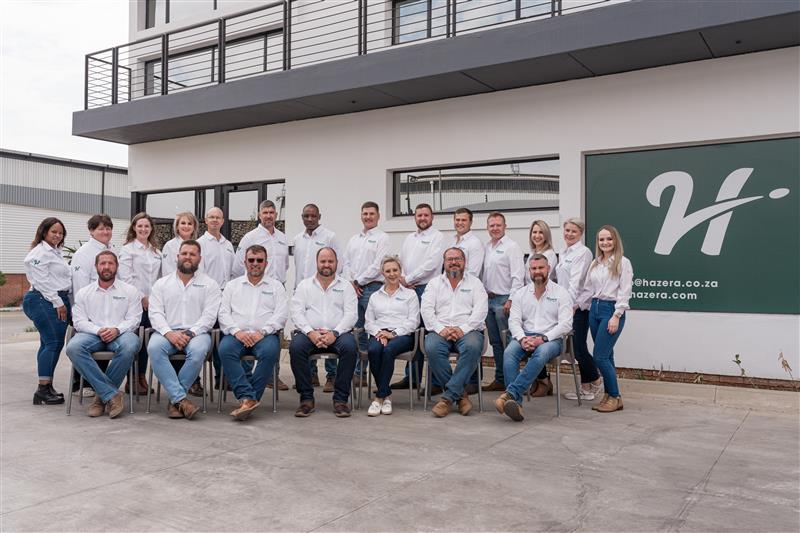
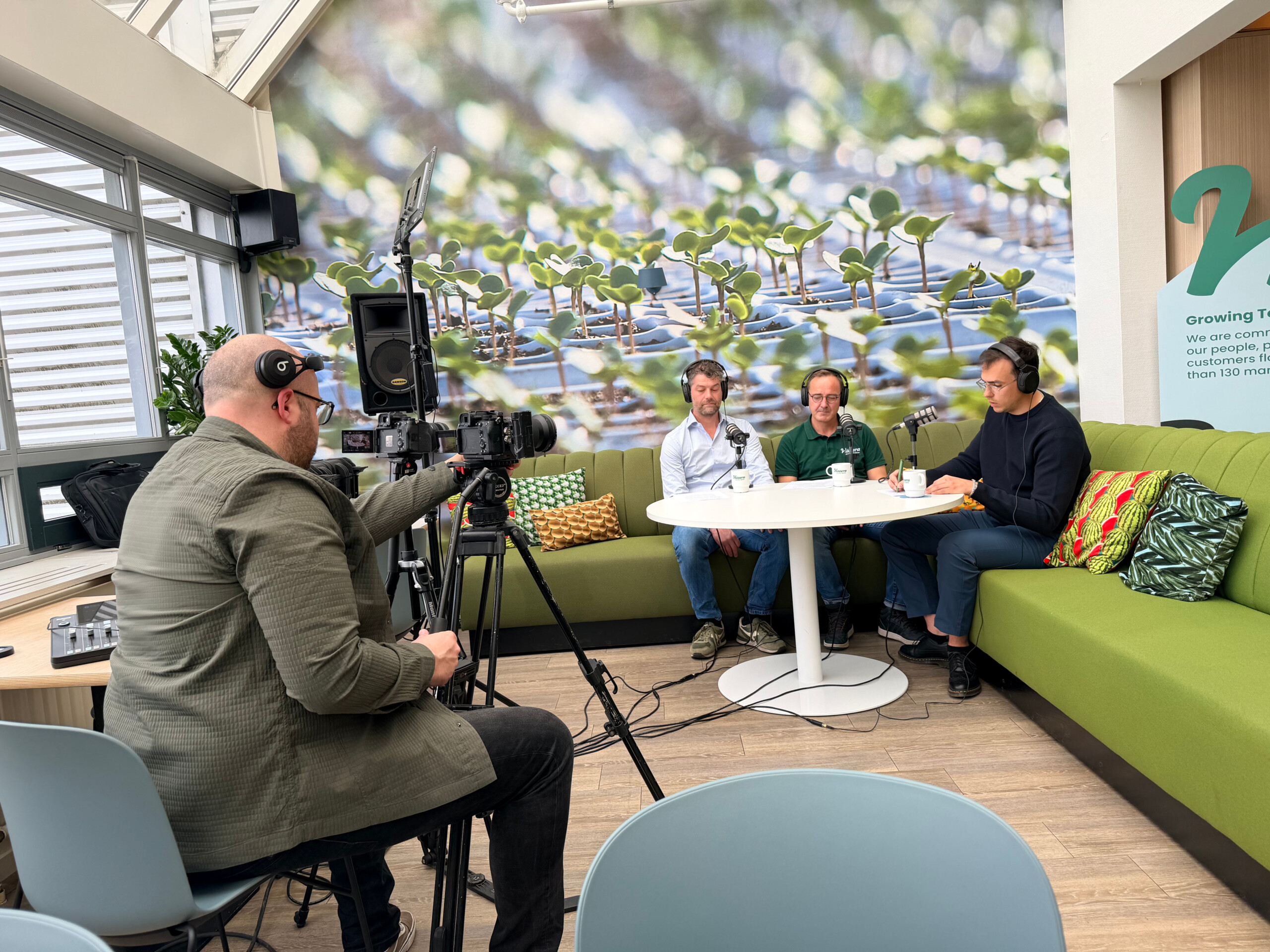
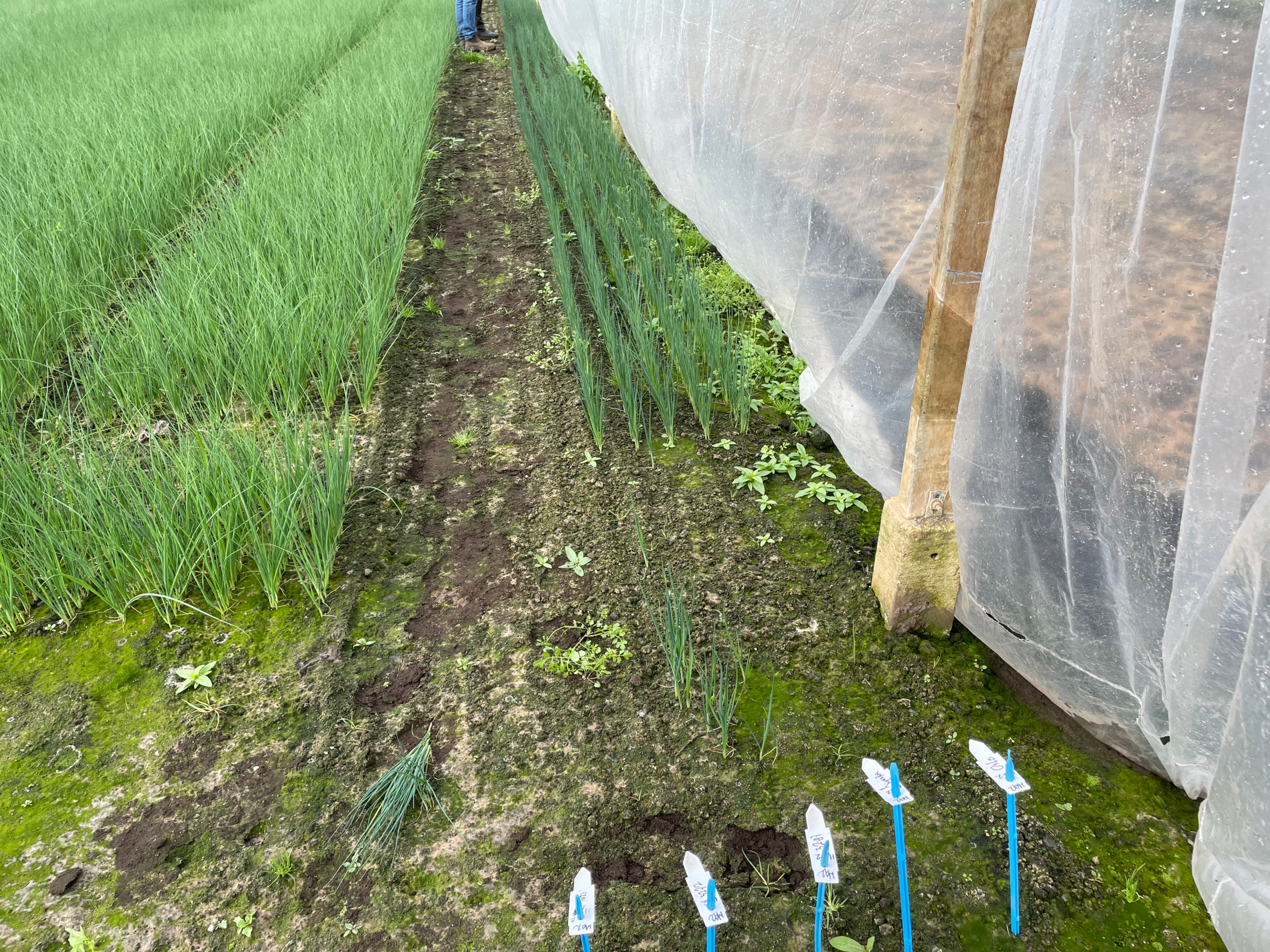
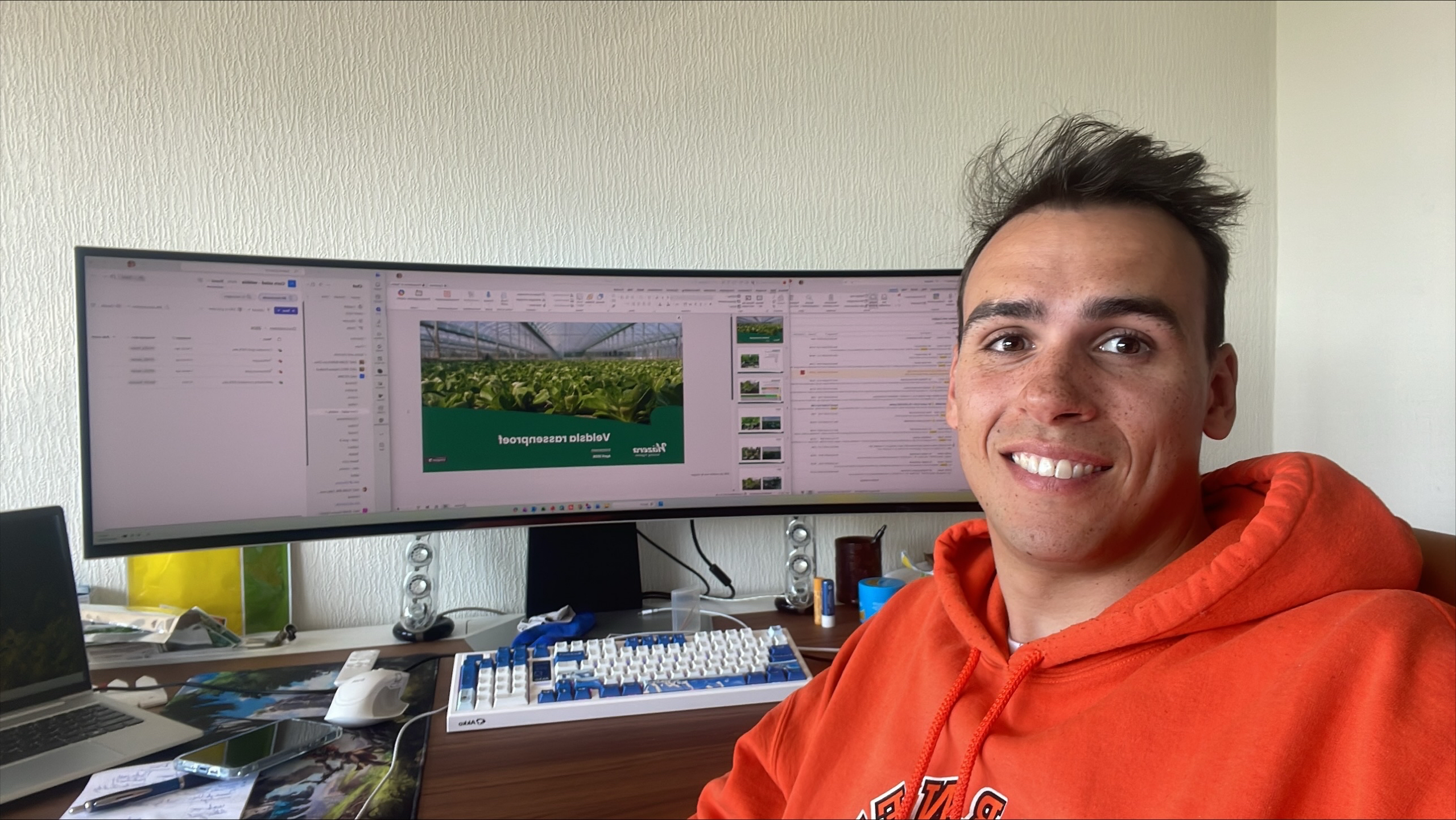
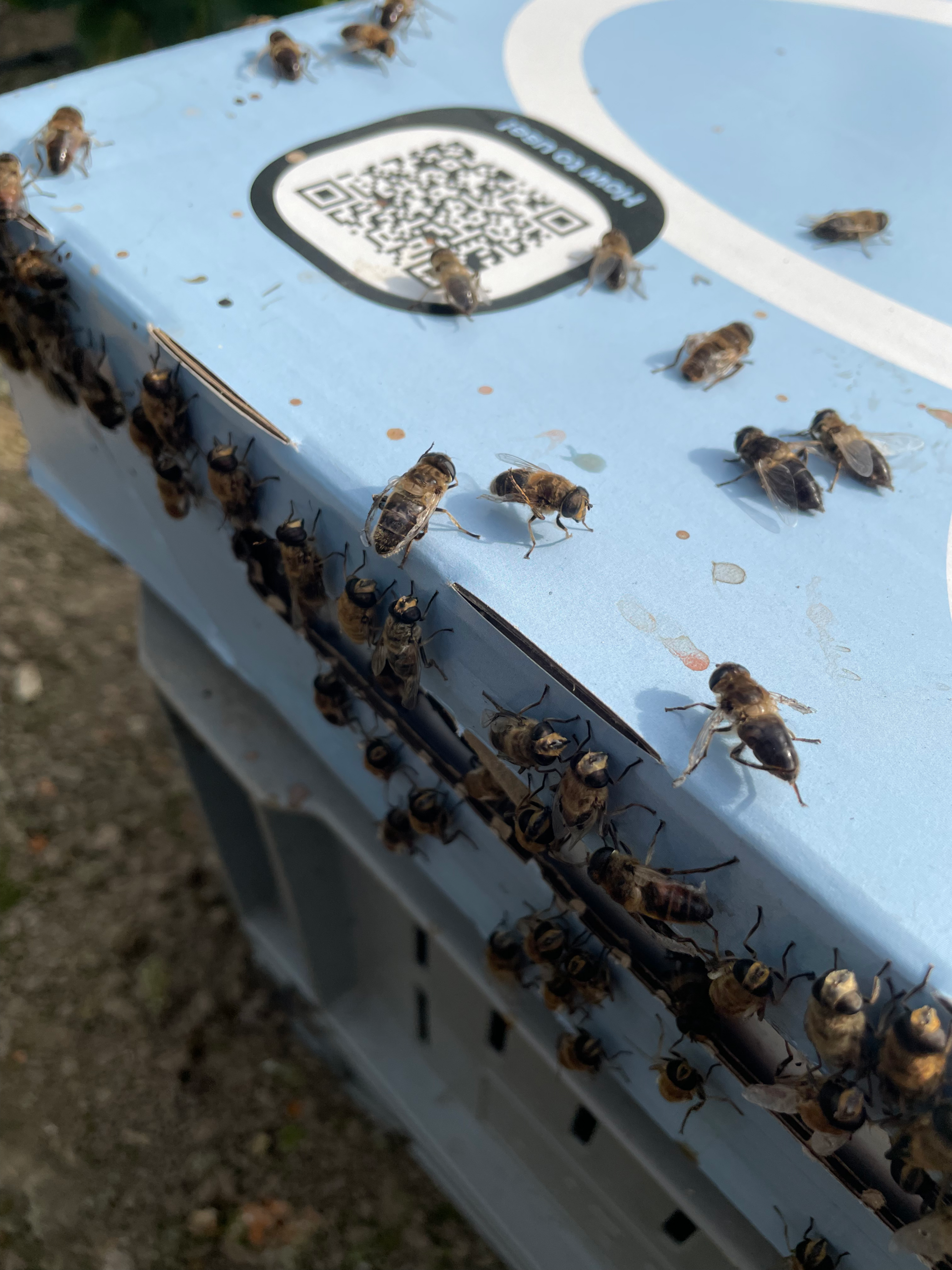
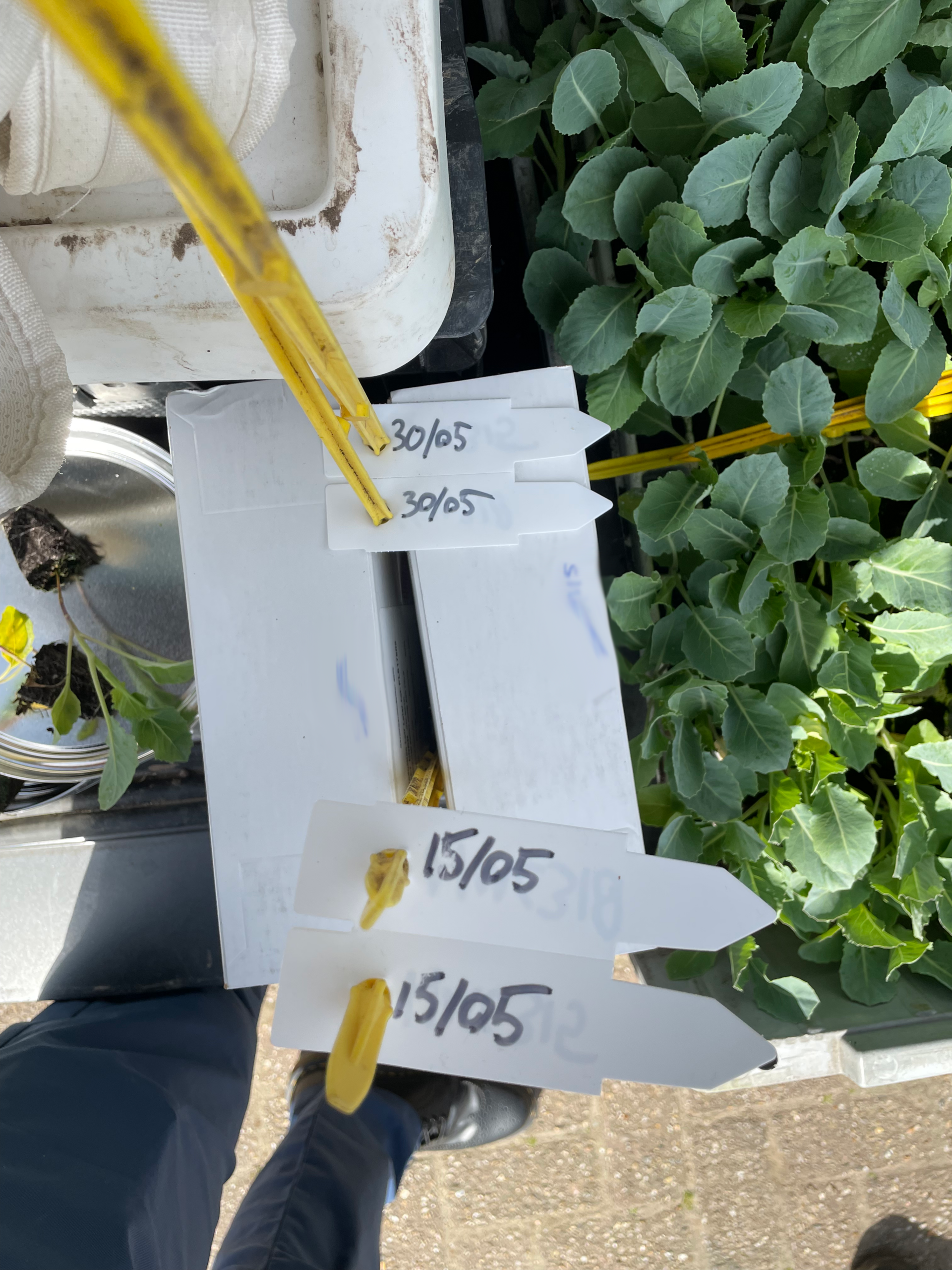
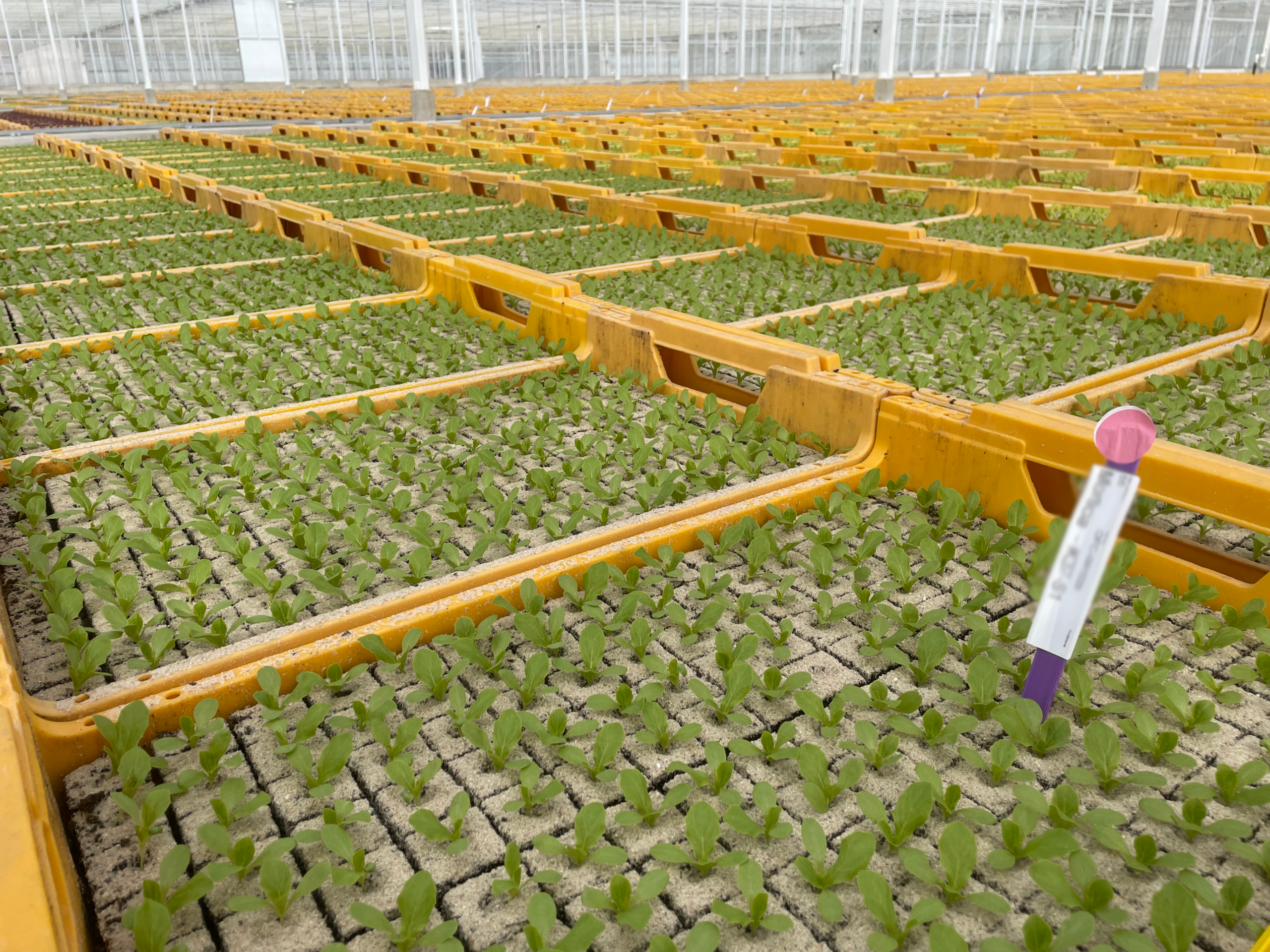
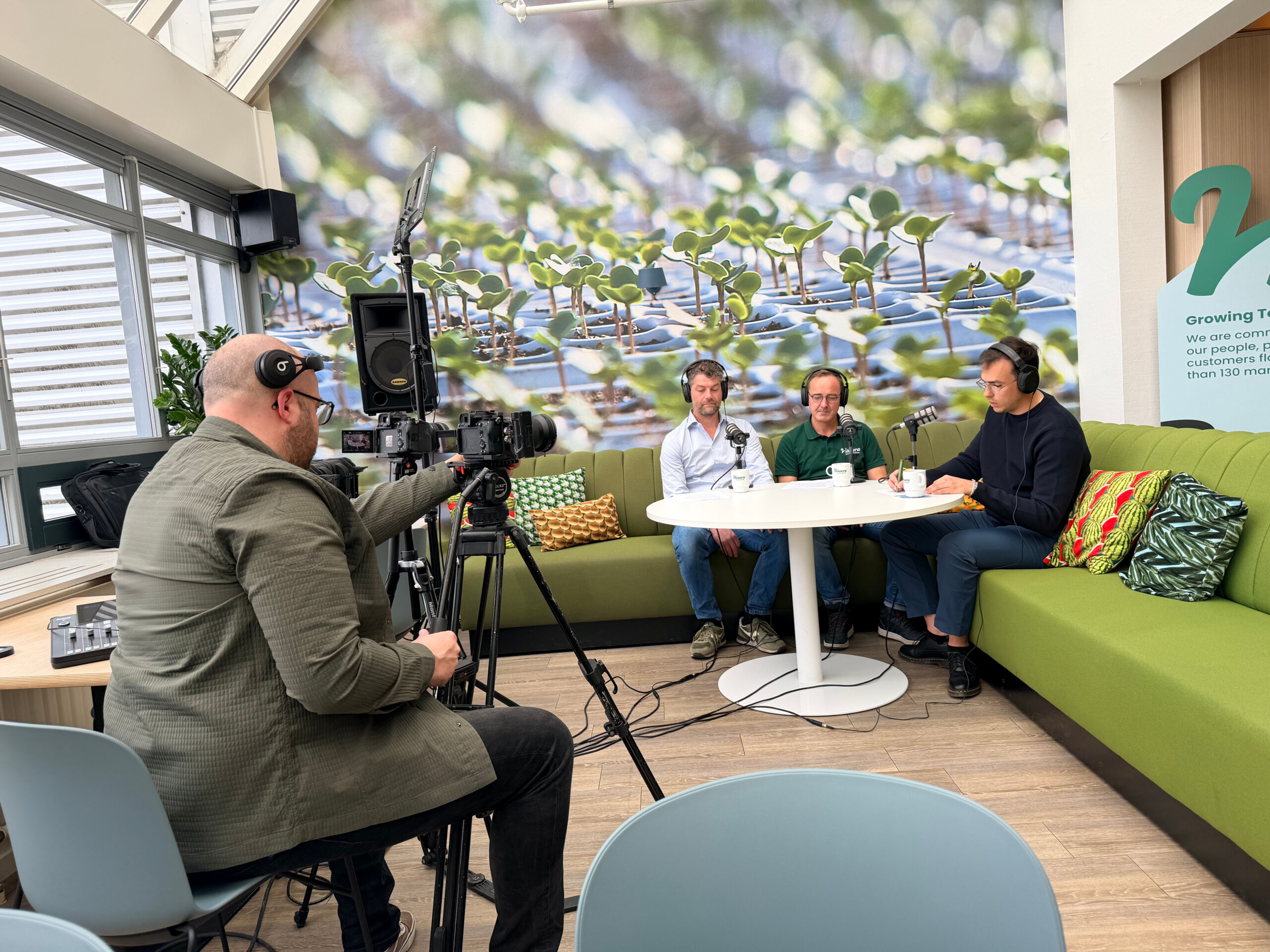
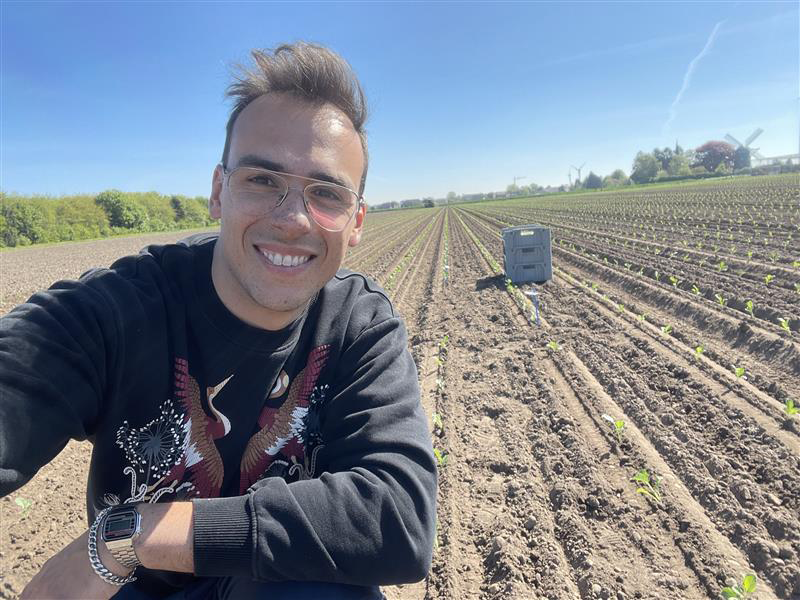
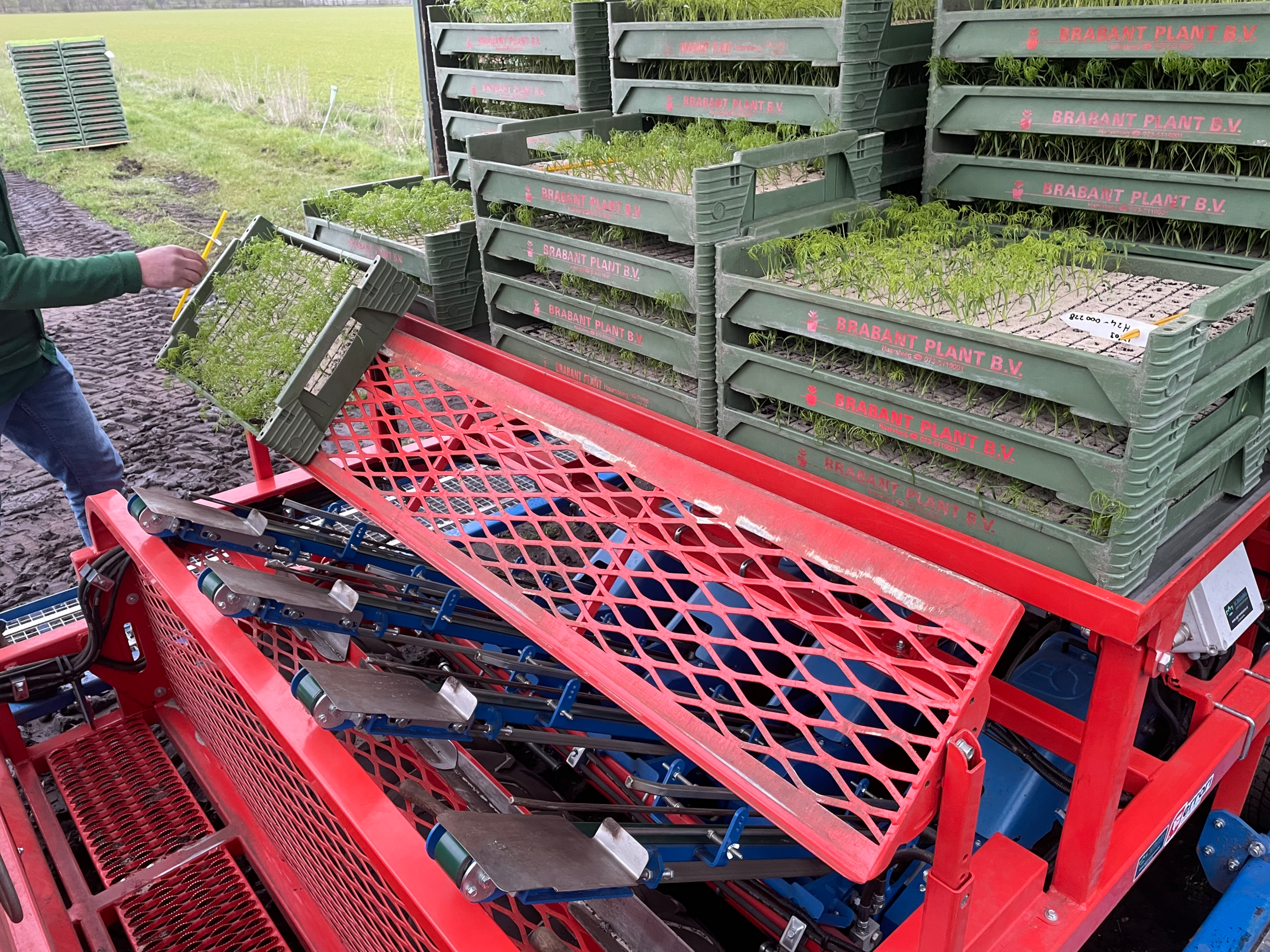
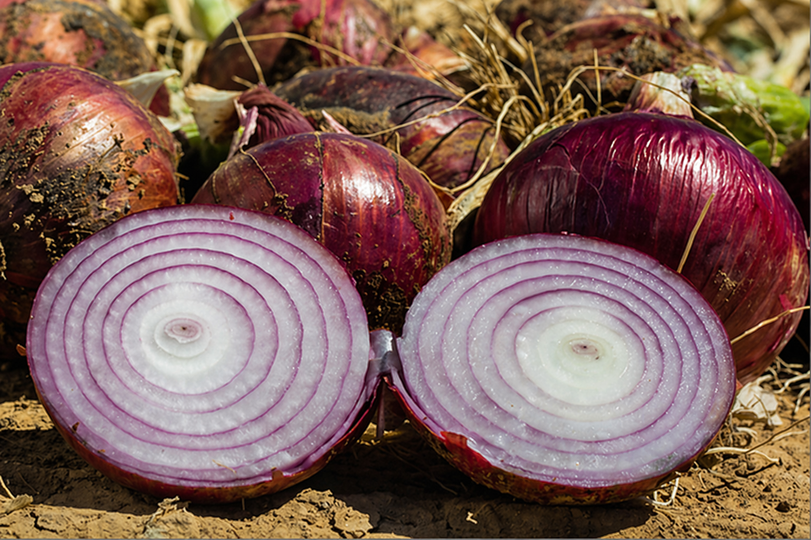
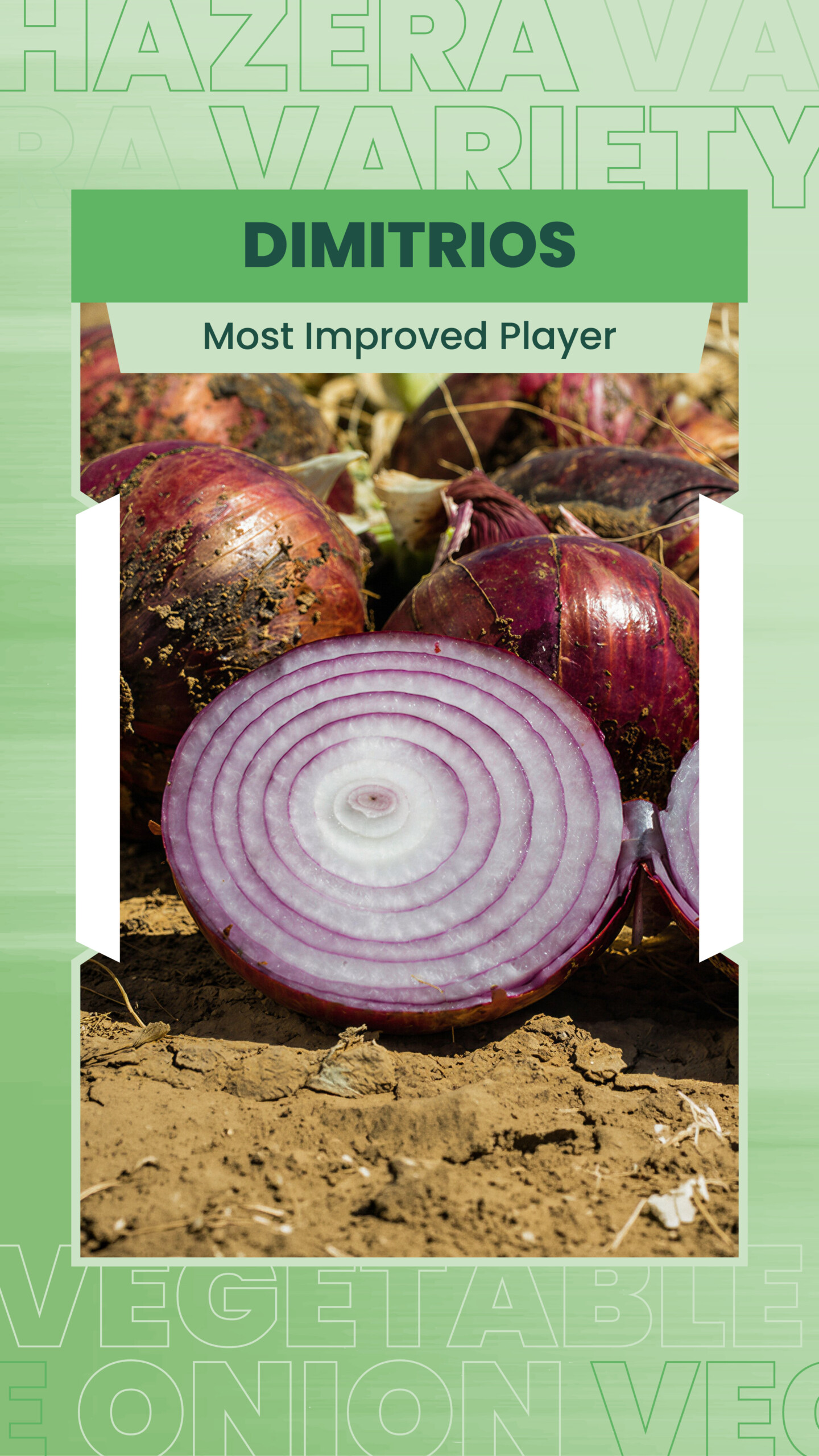
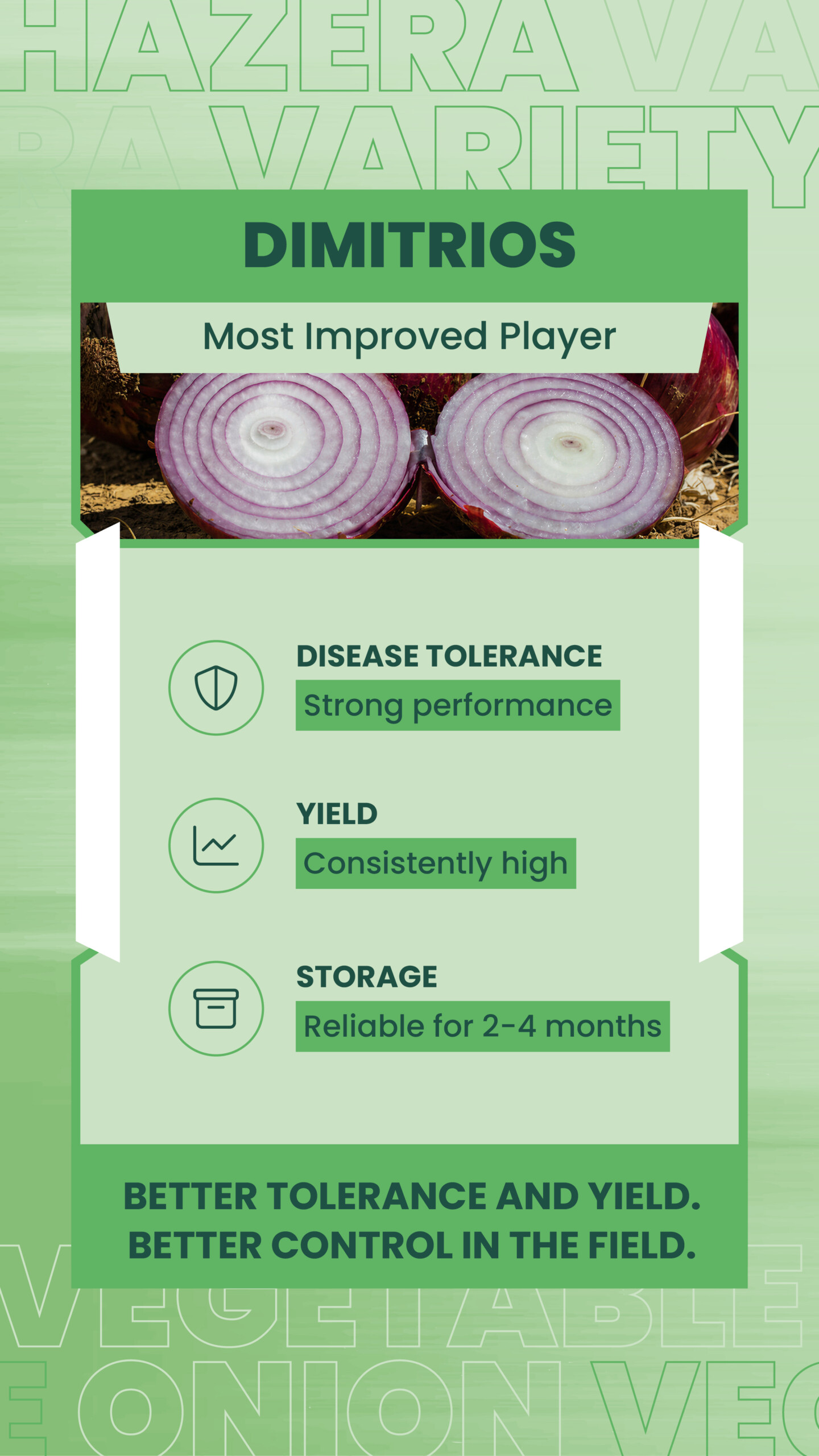
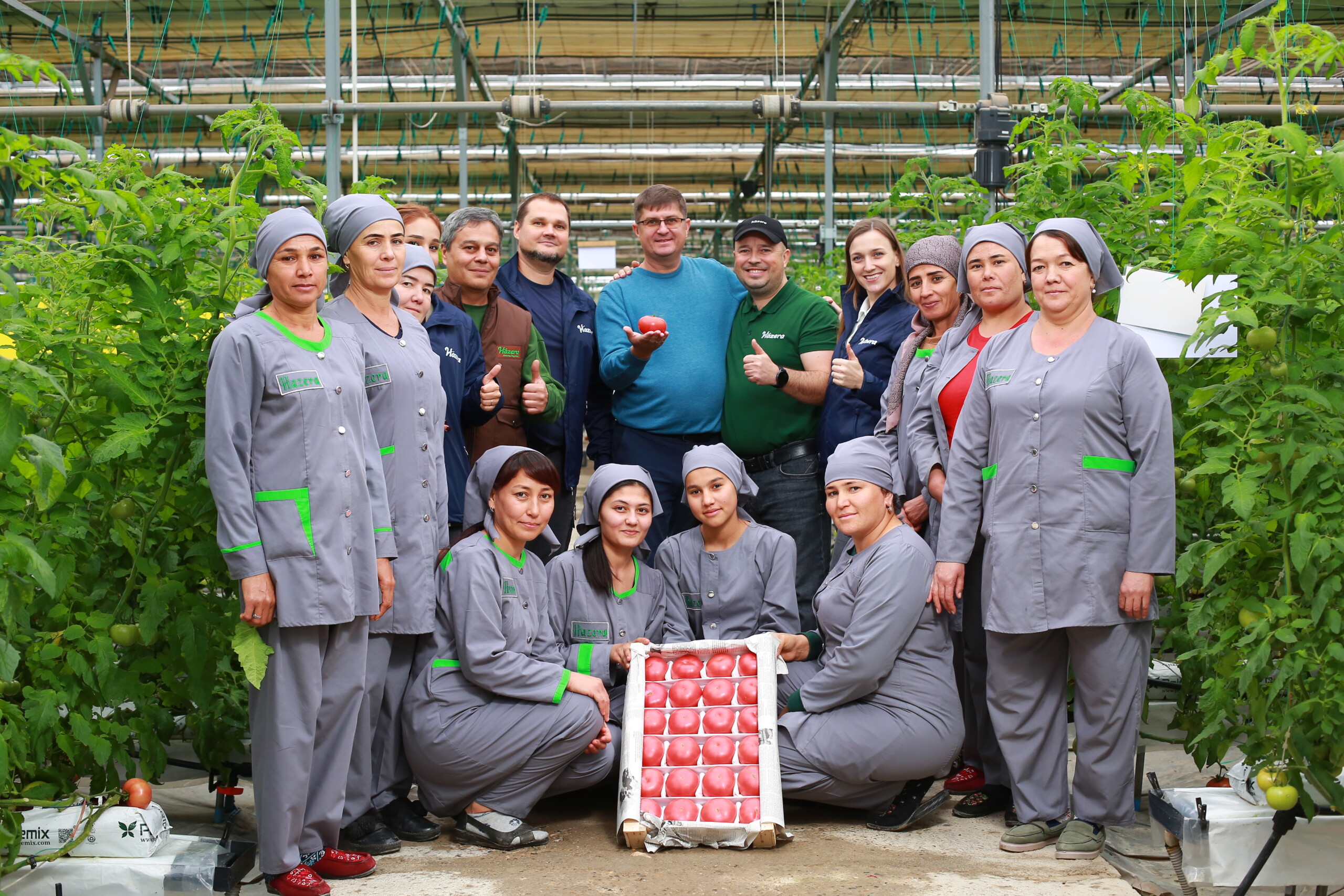
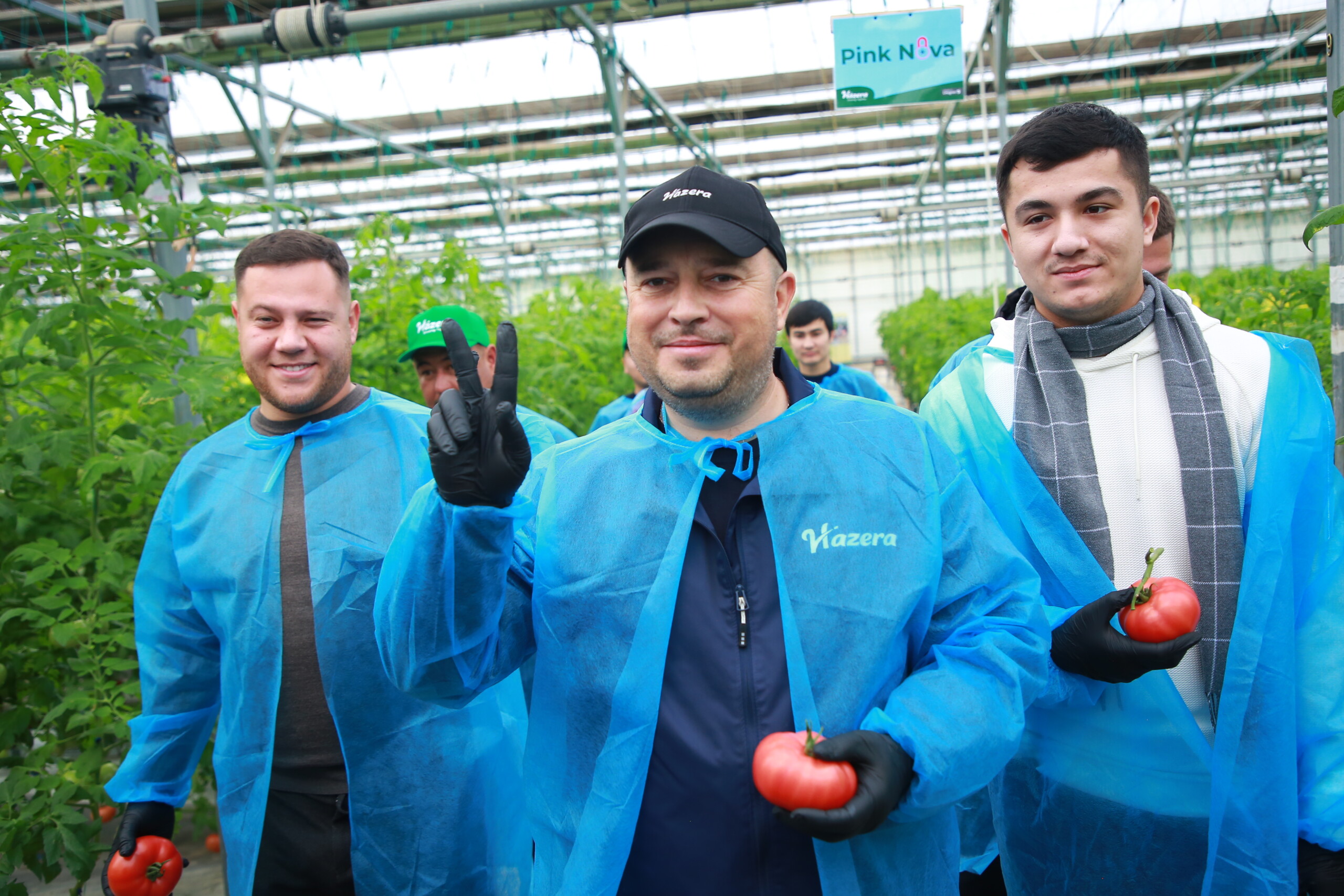 If you had to explain your job to a 5-year-old, how would you do it?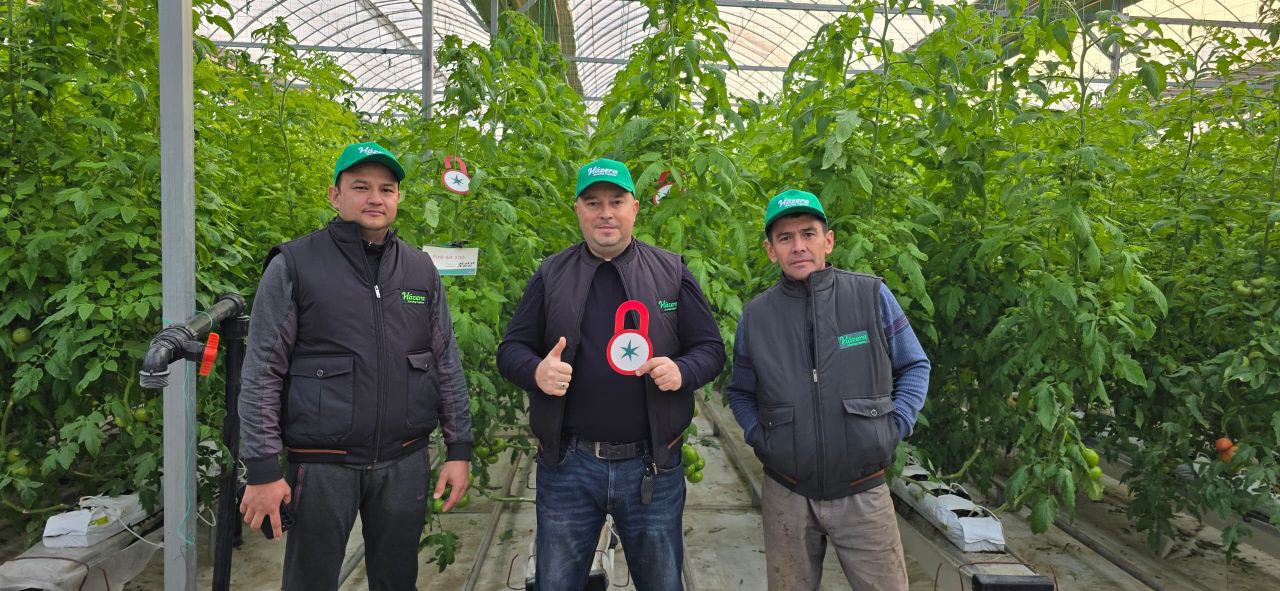
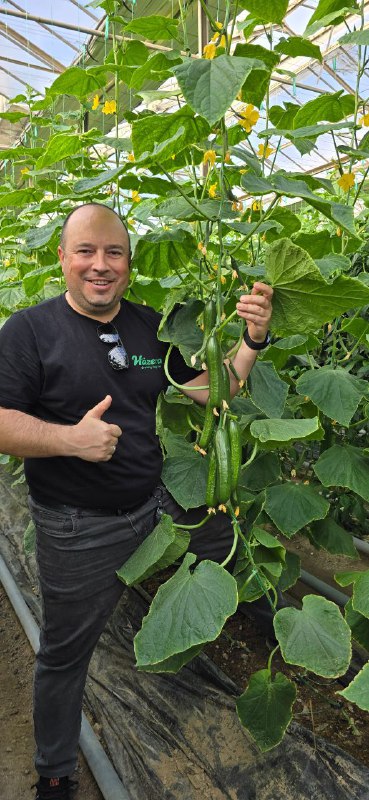
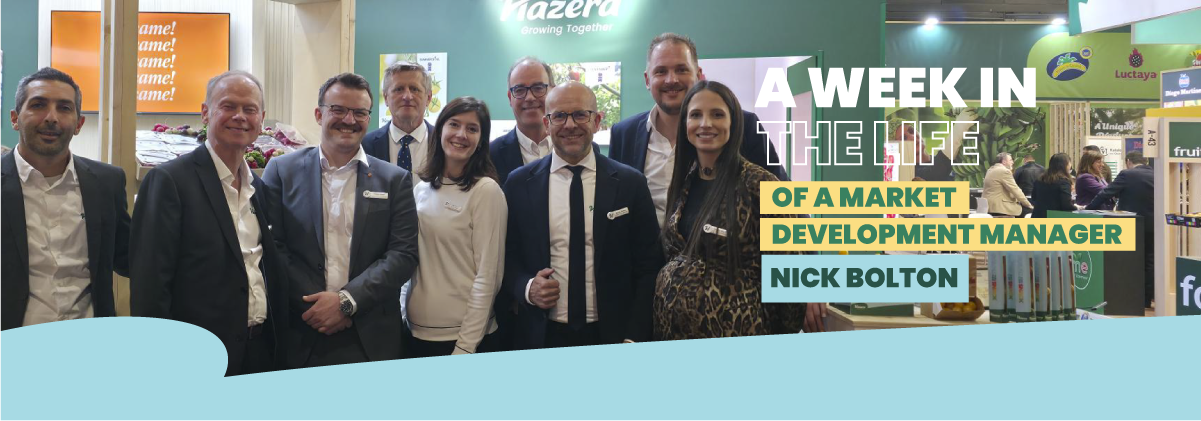
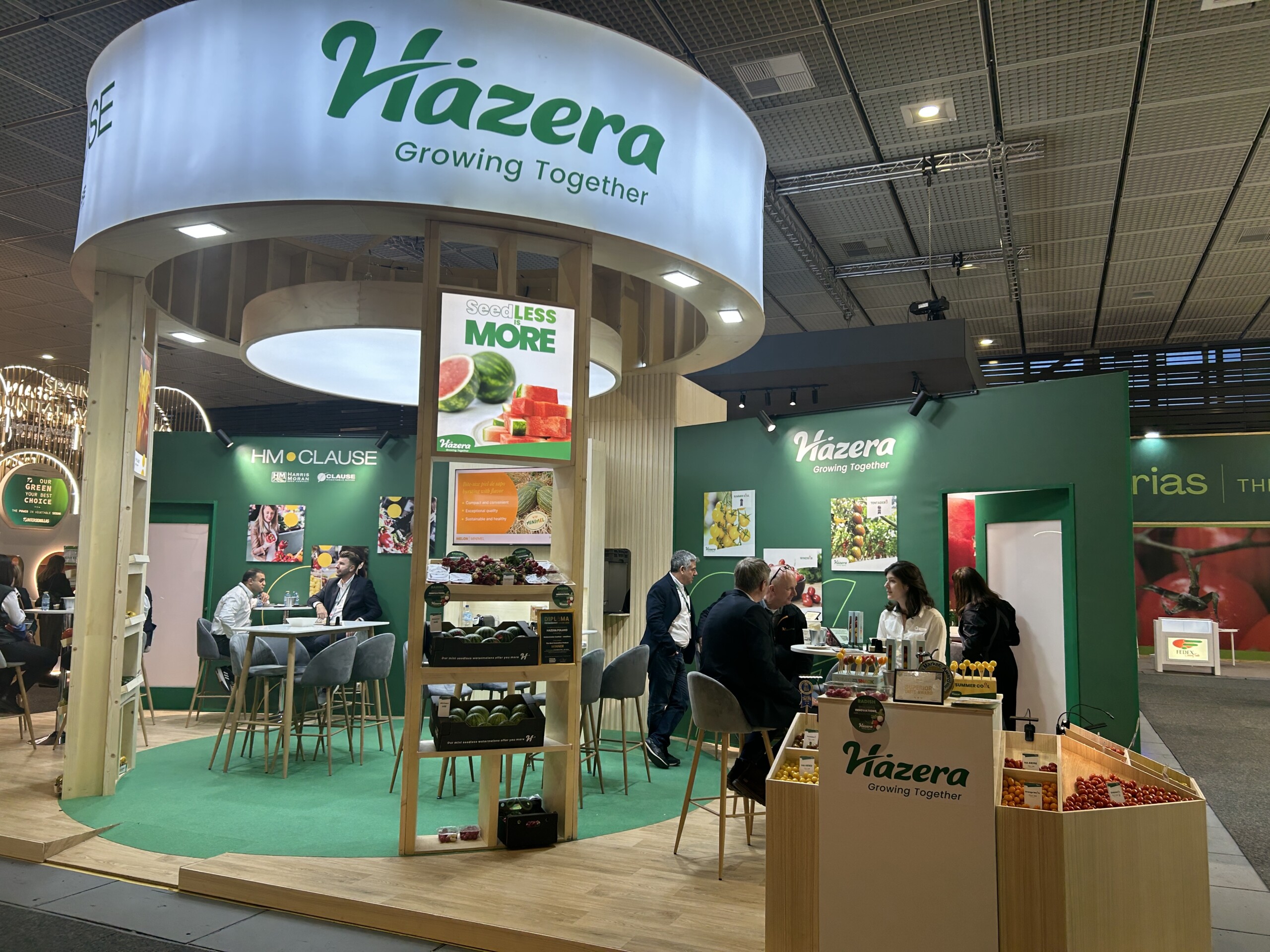
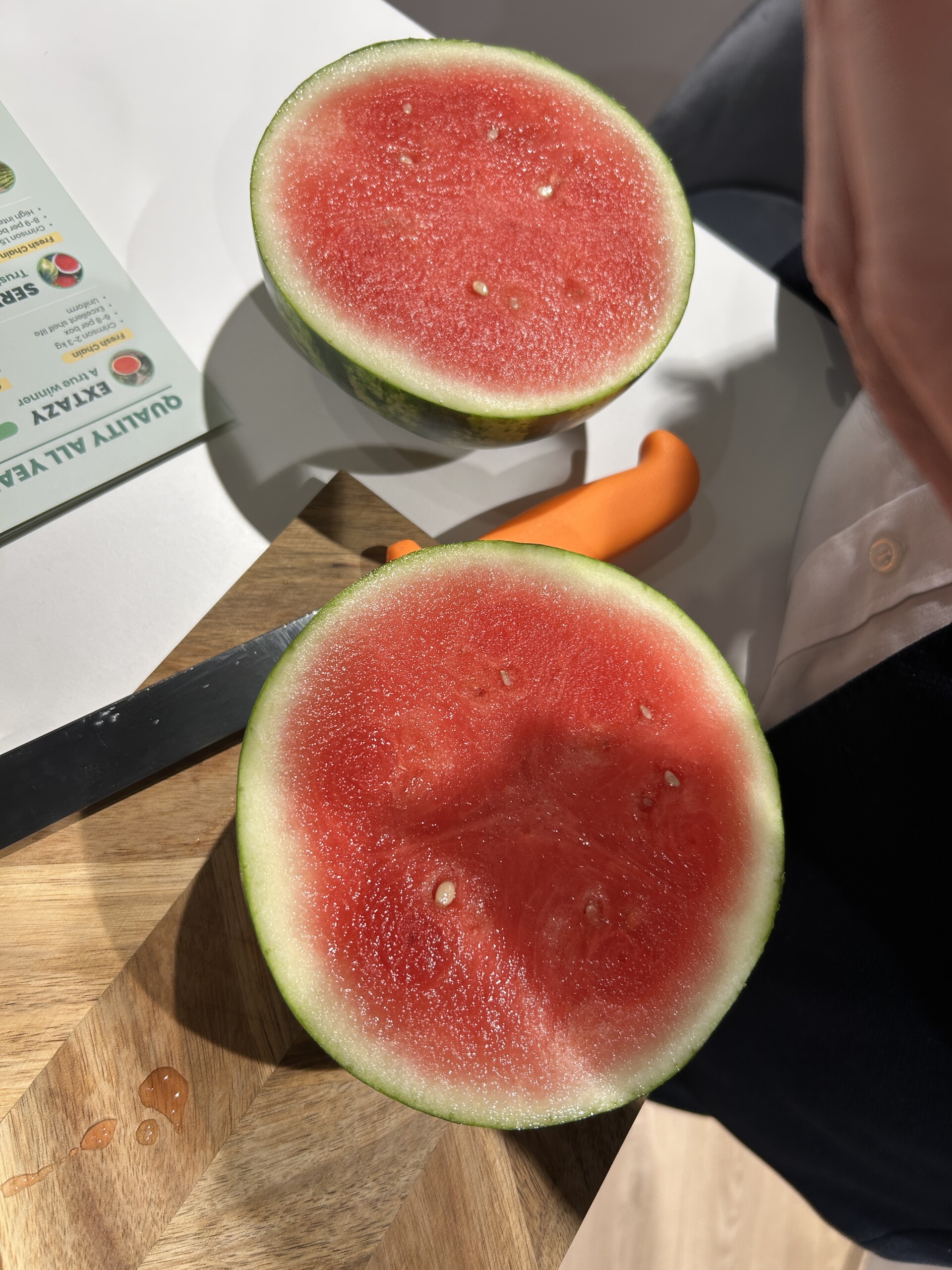
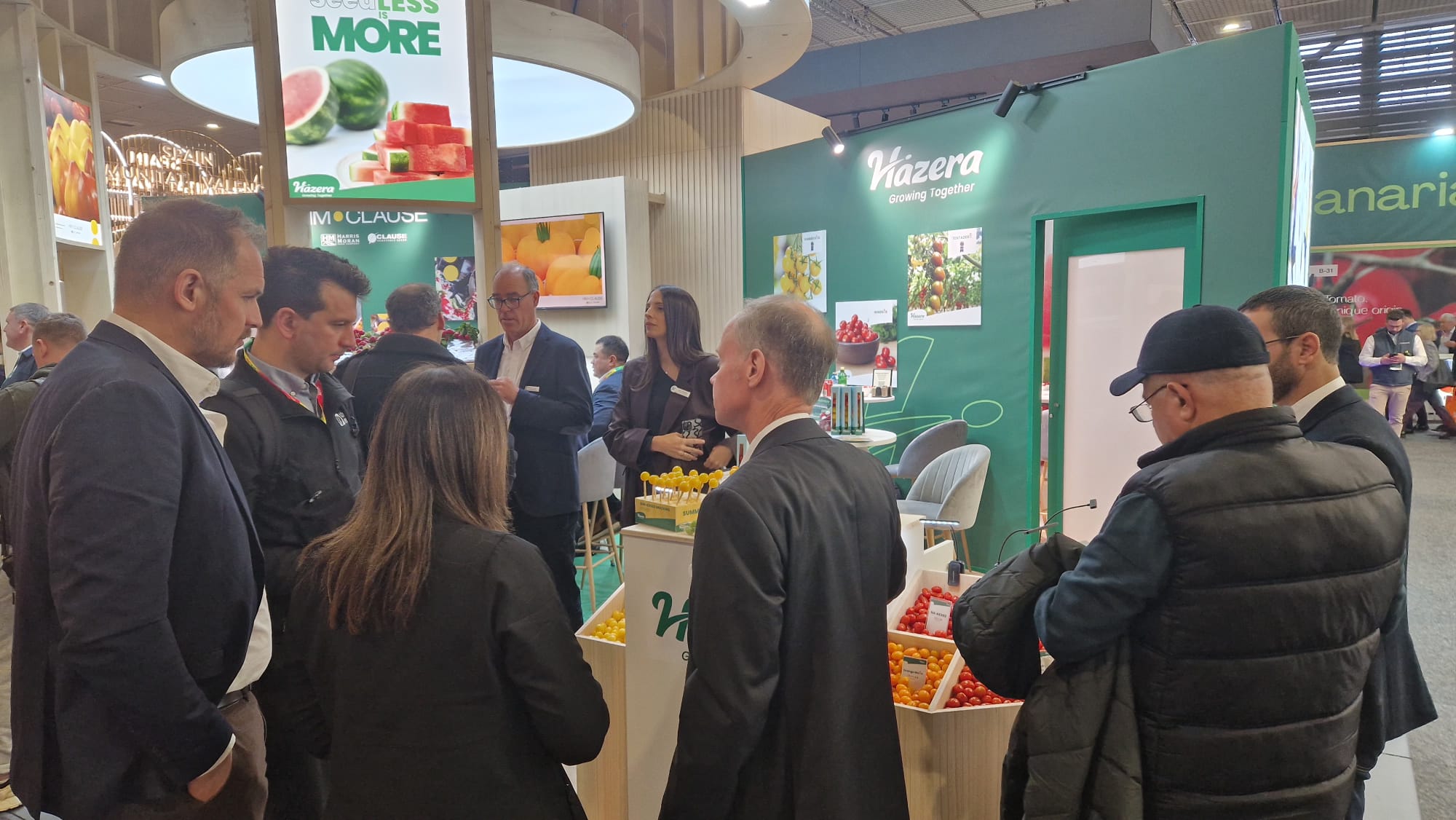

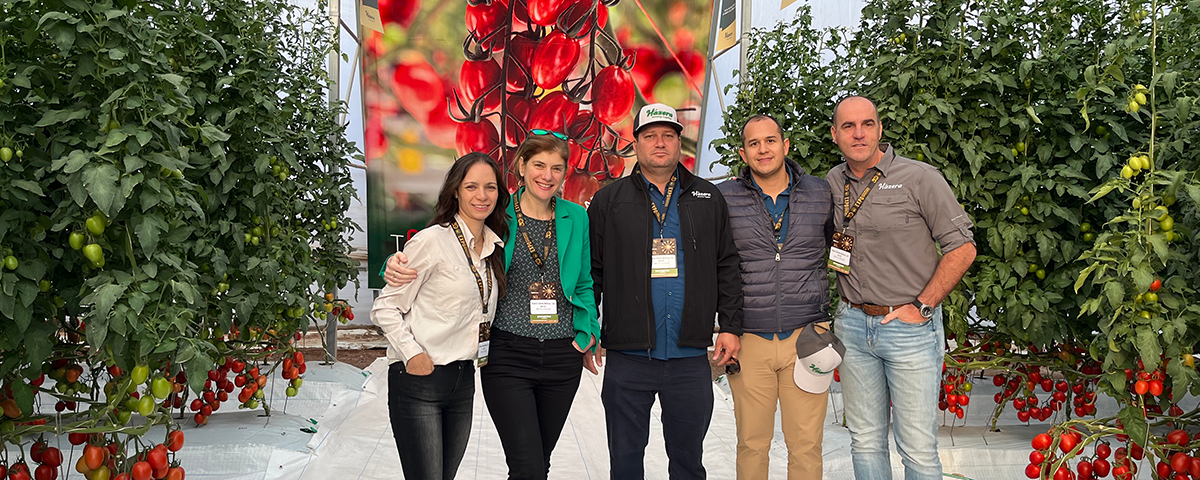
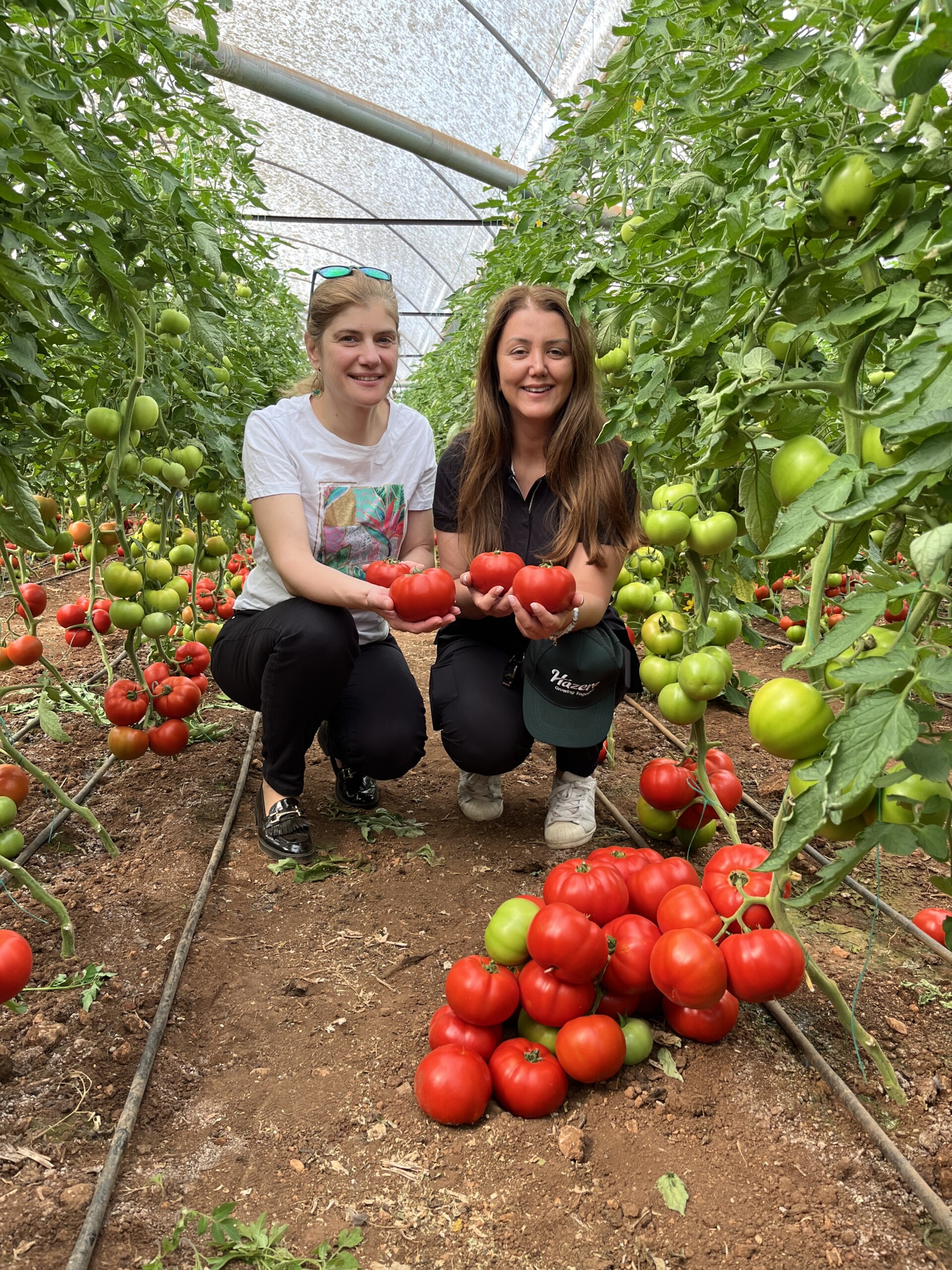
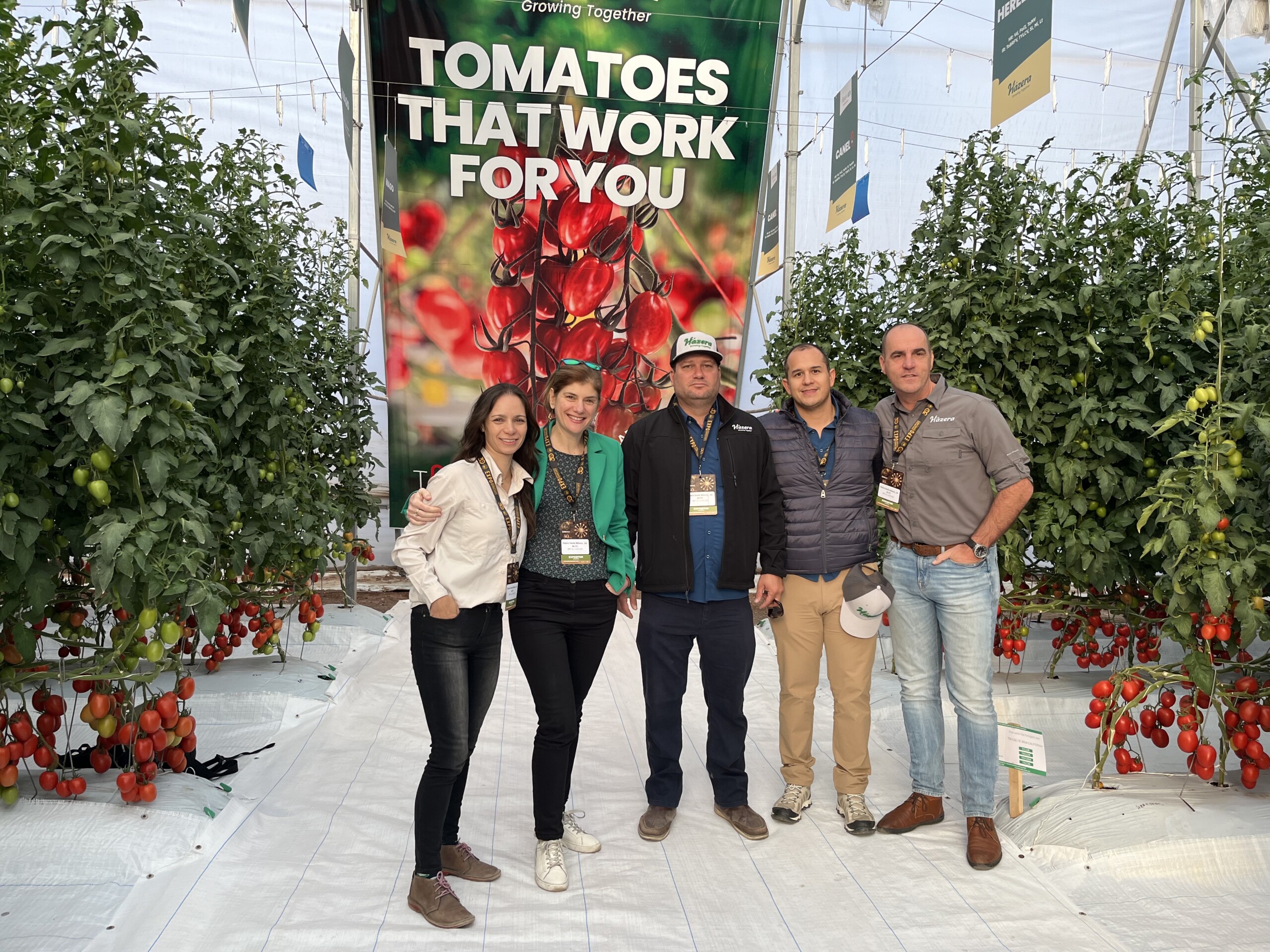
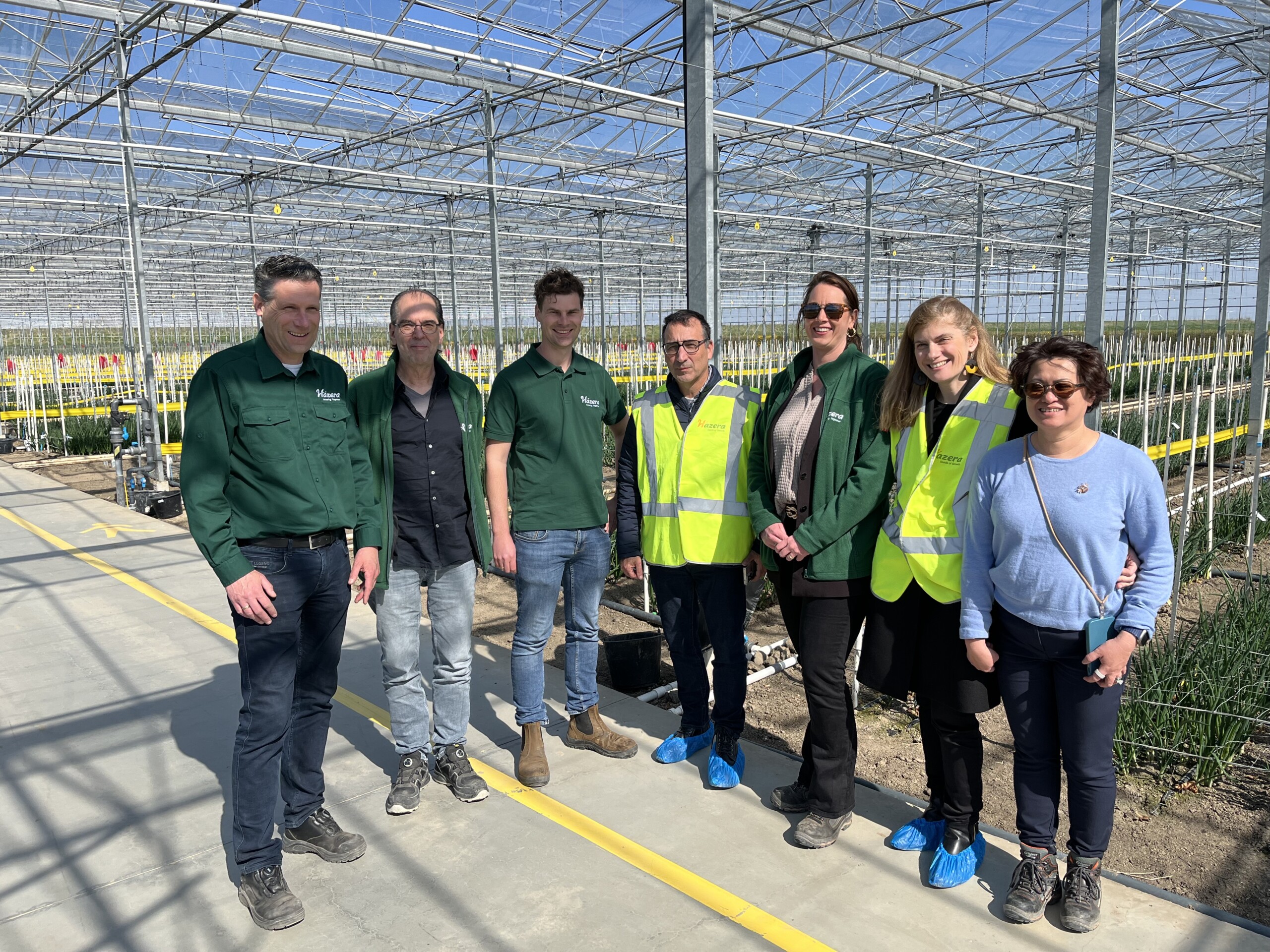
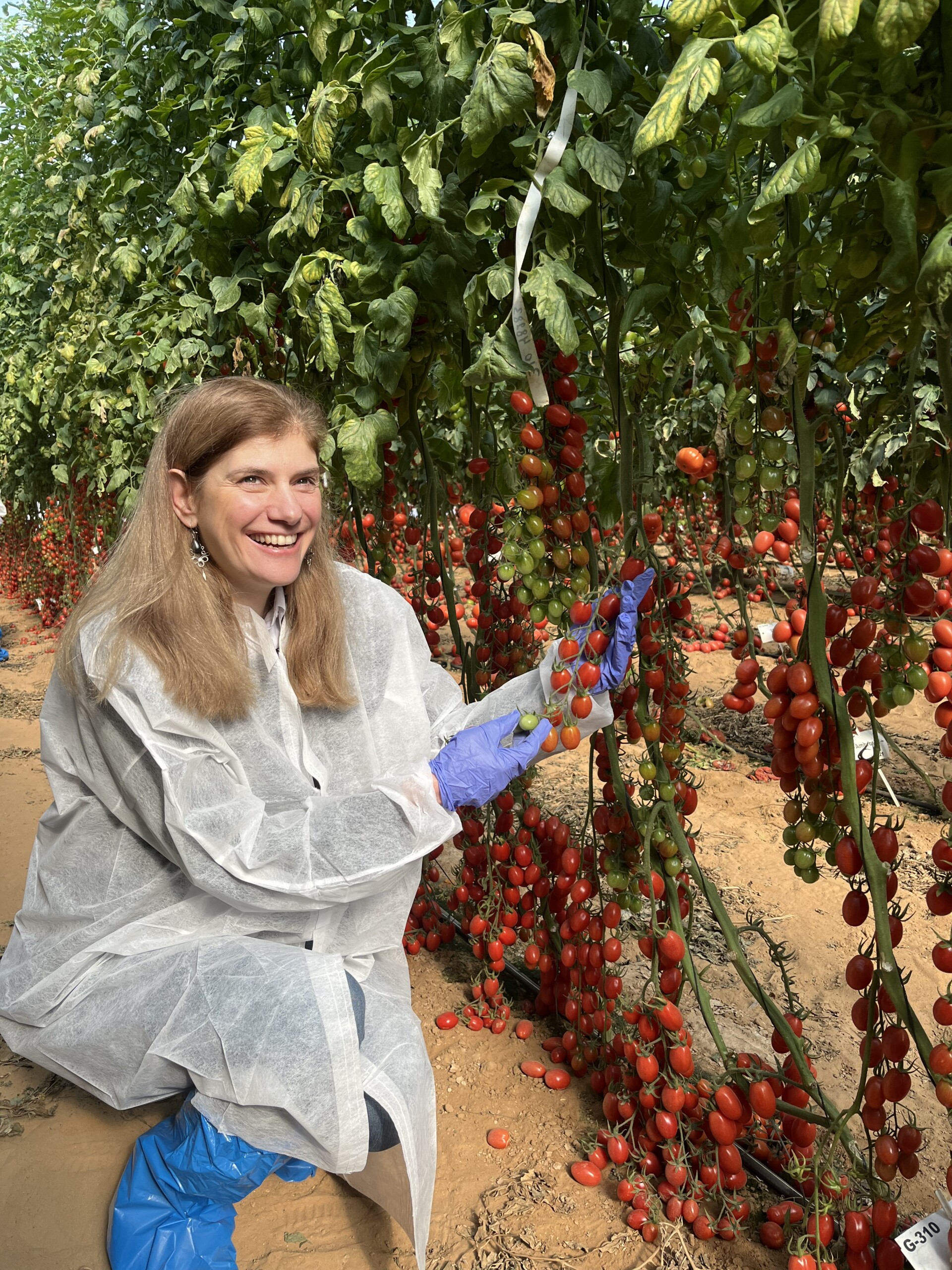
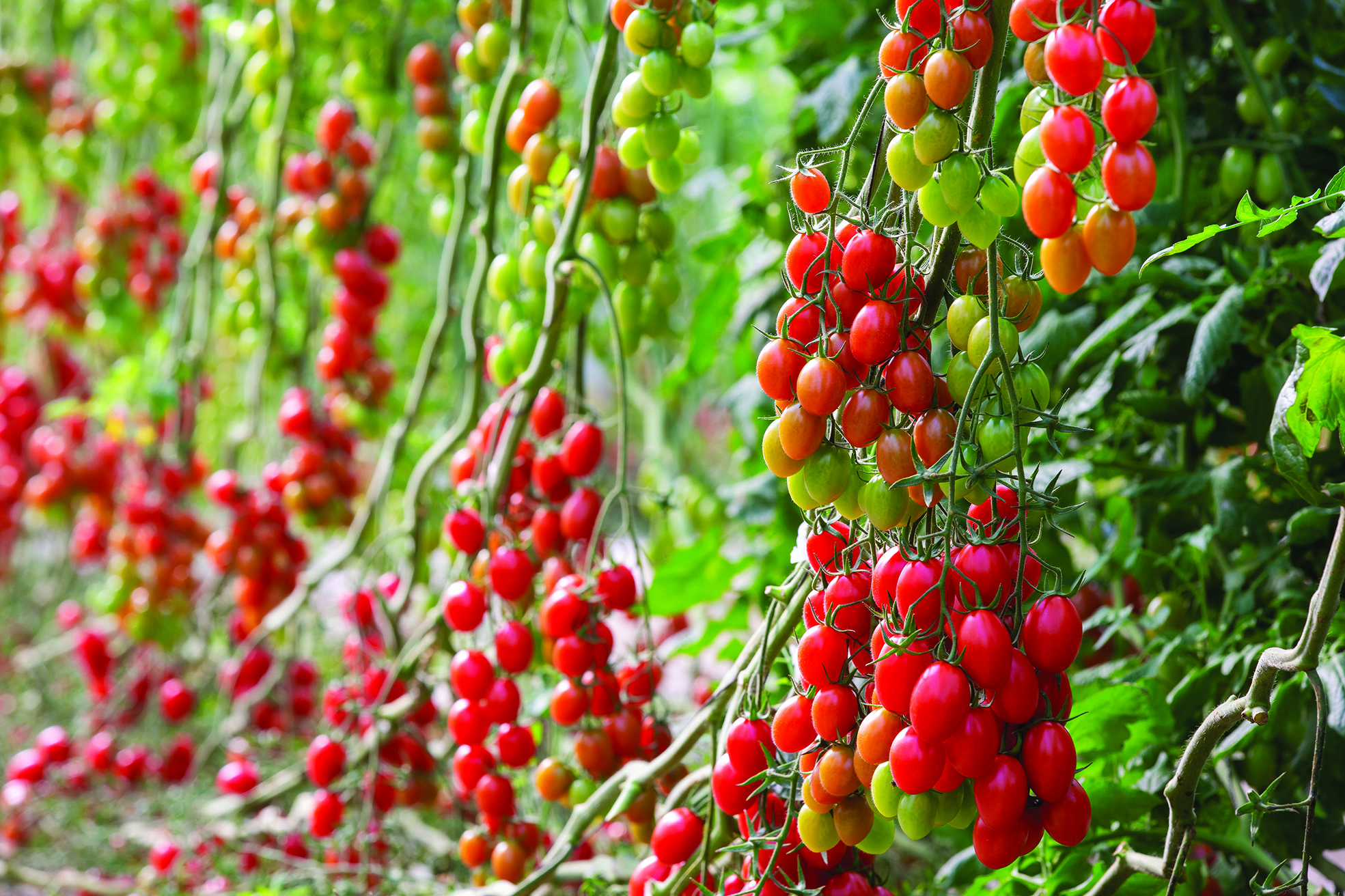
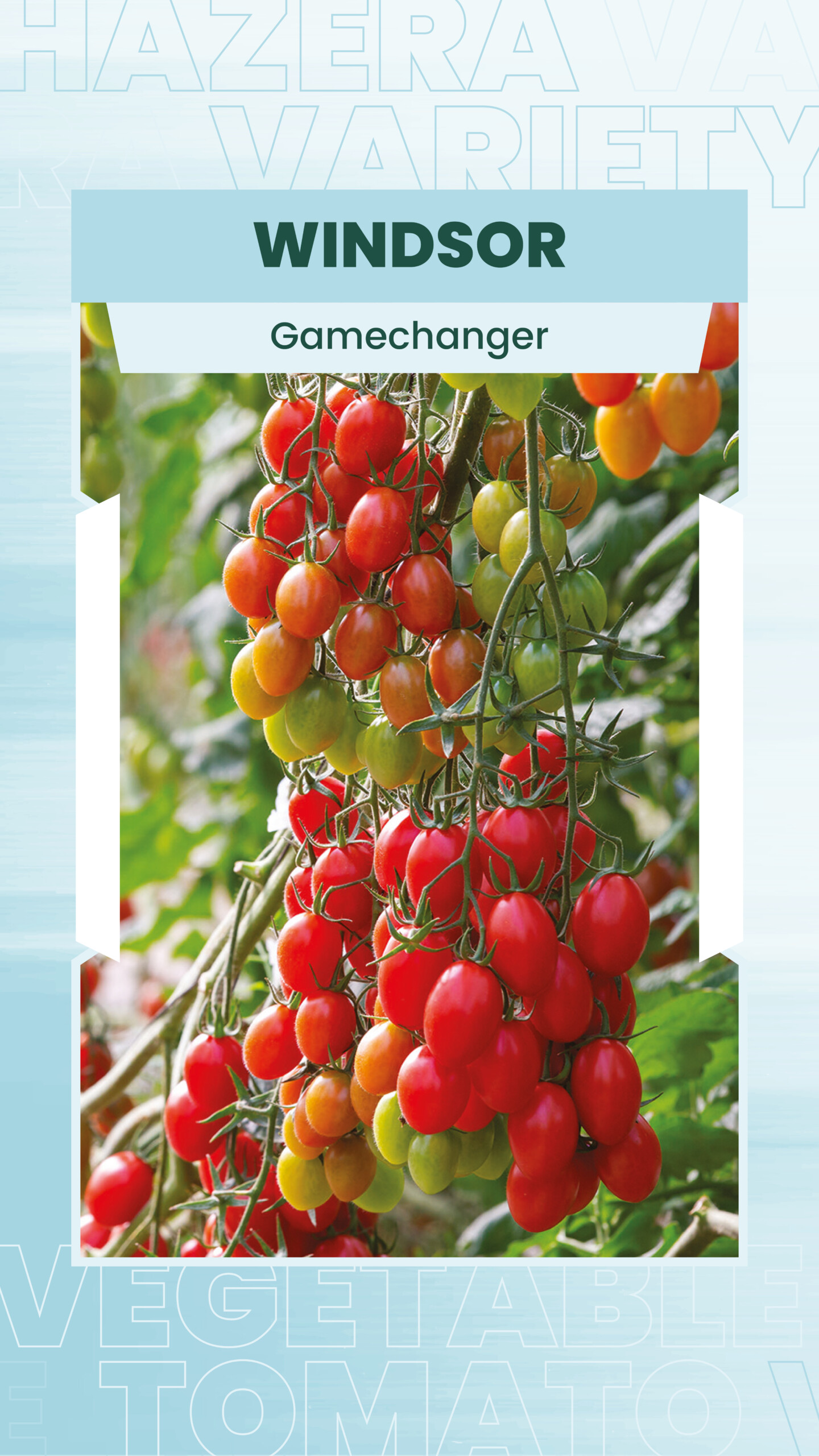
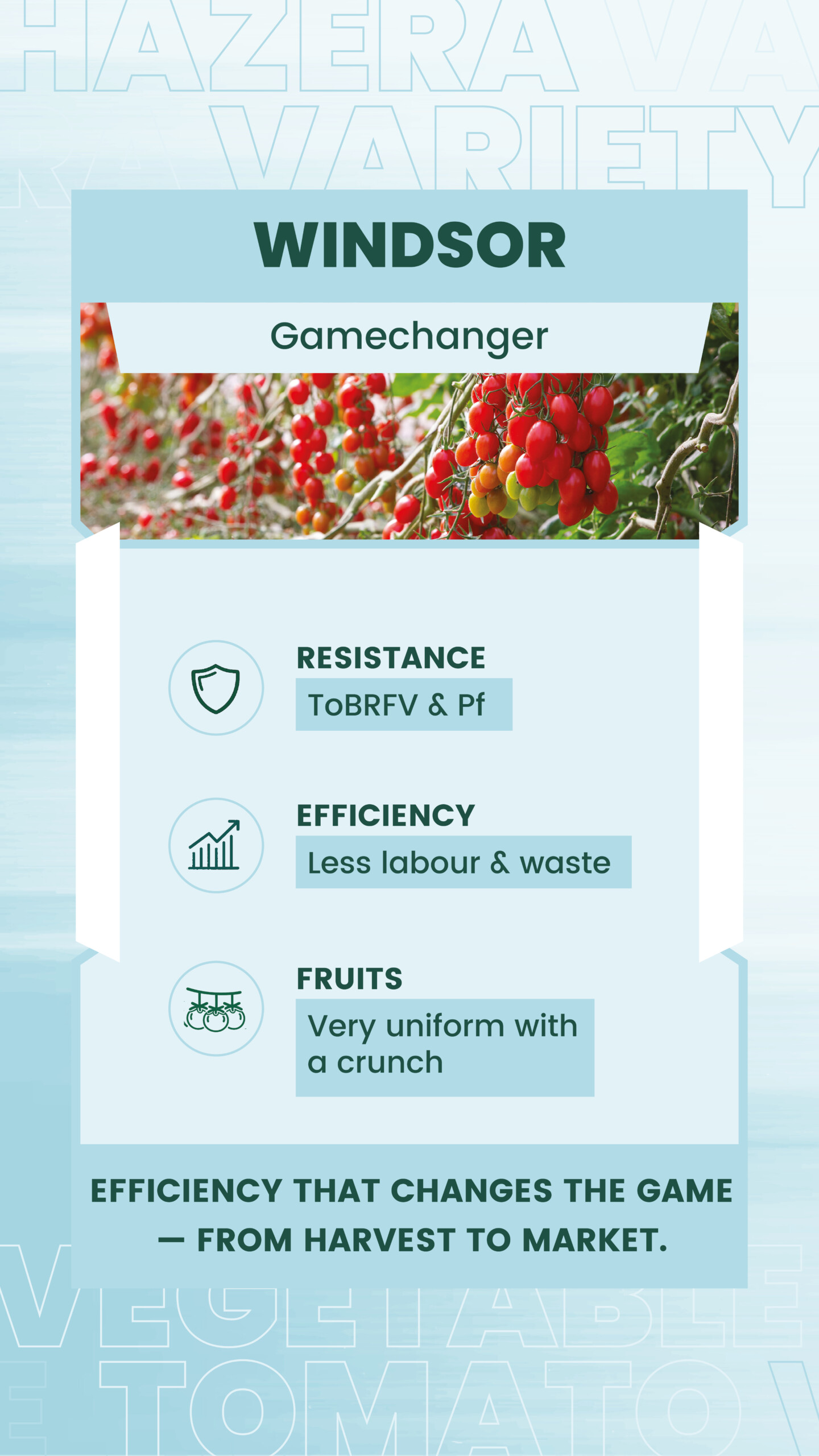
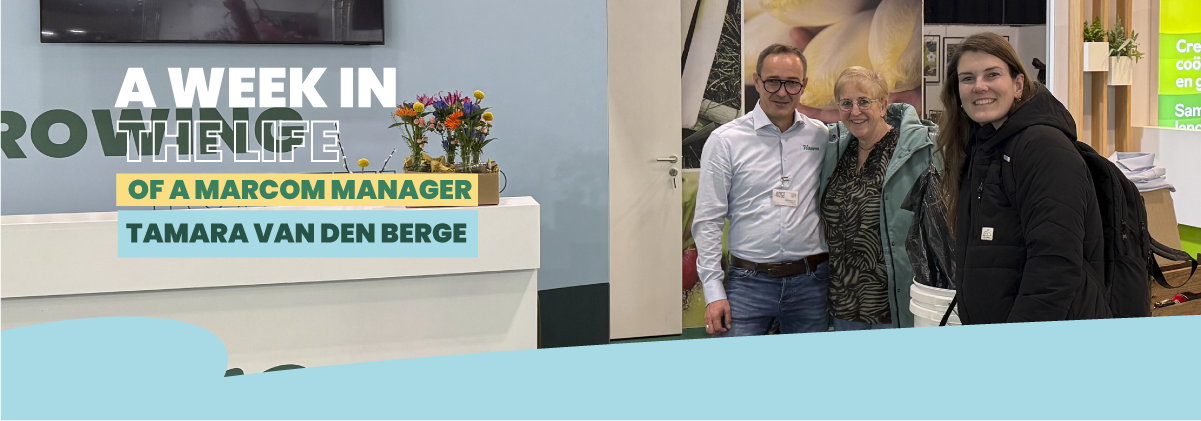
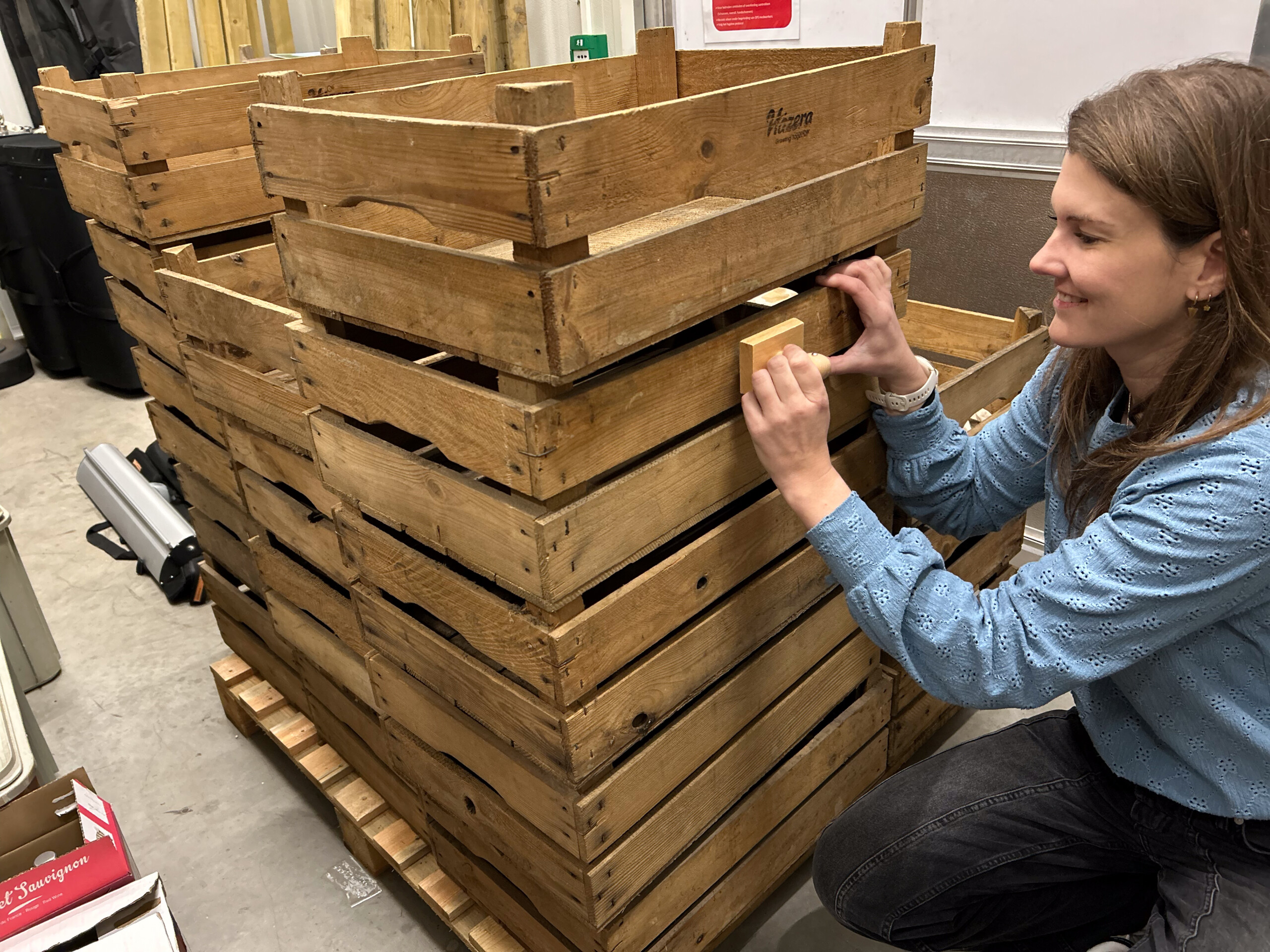
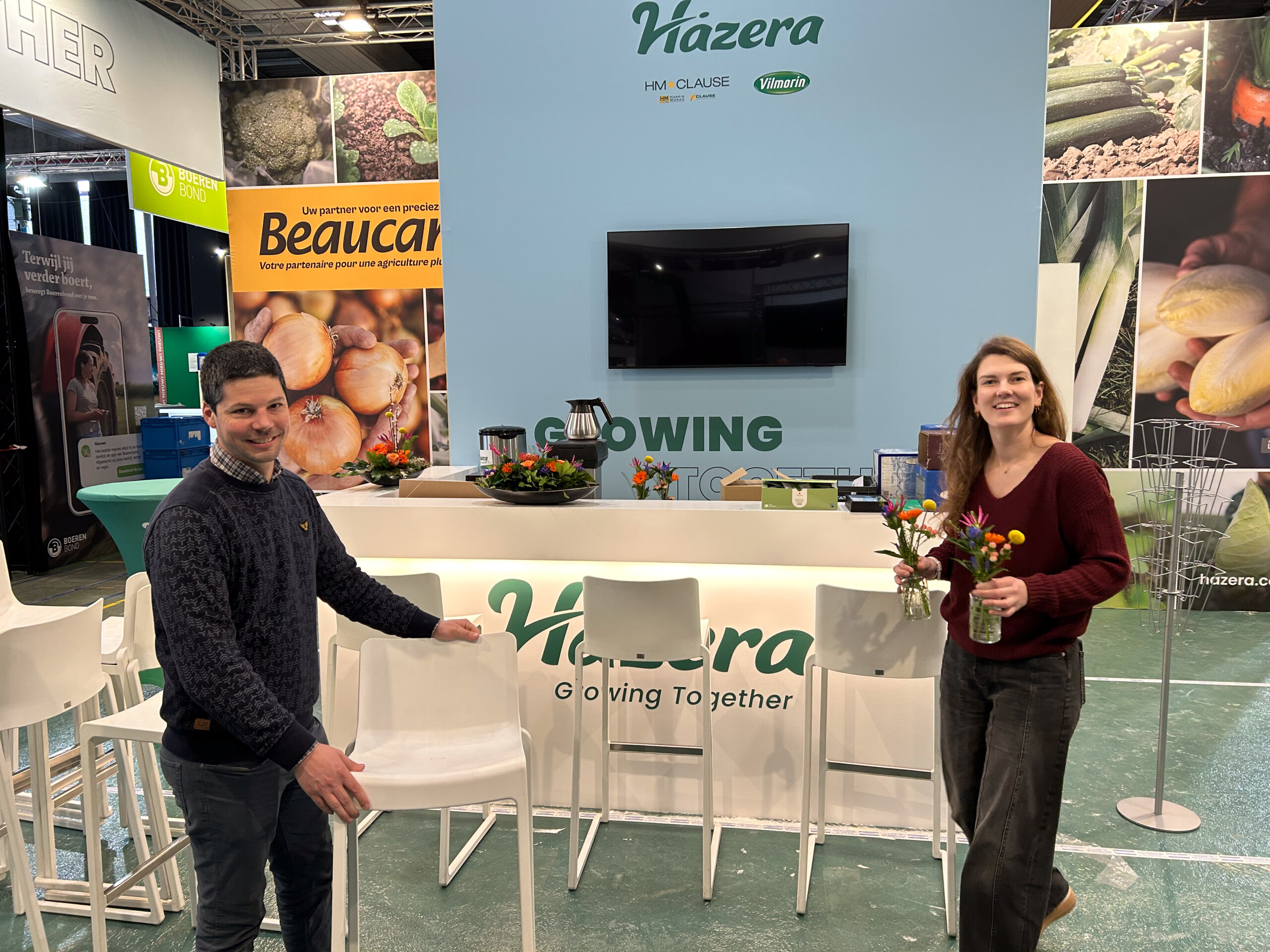
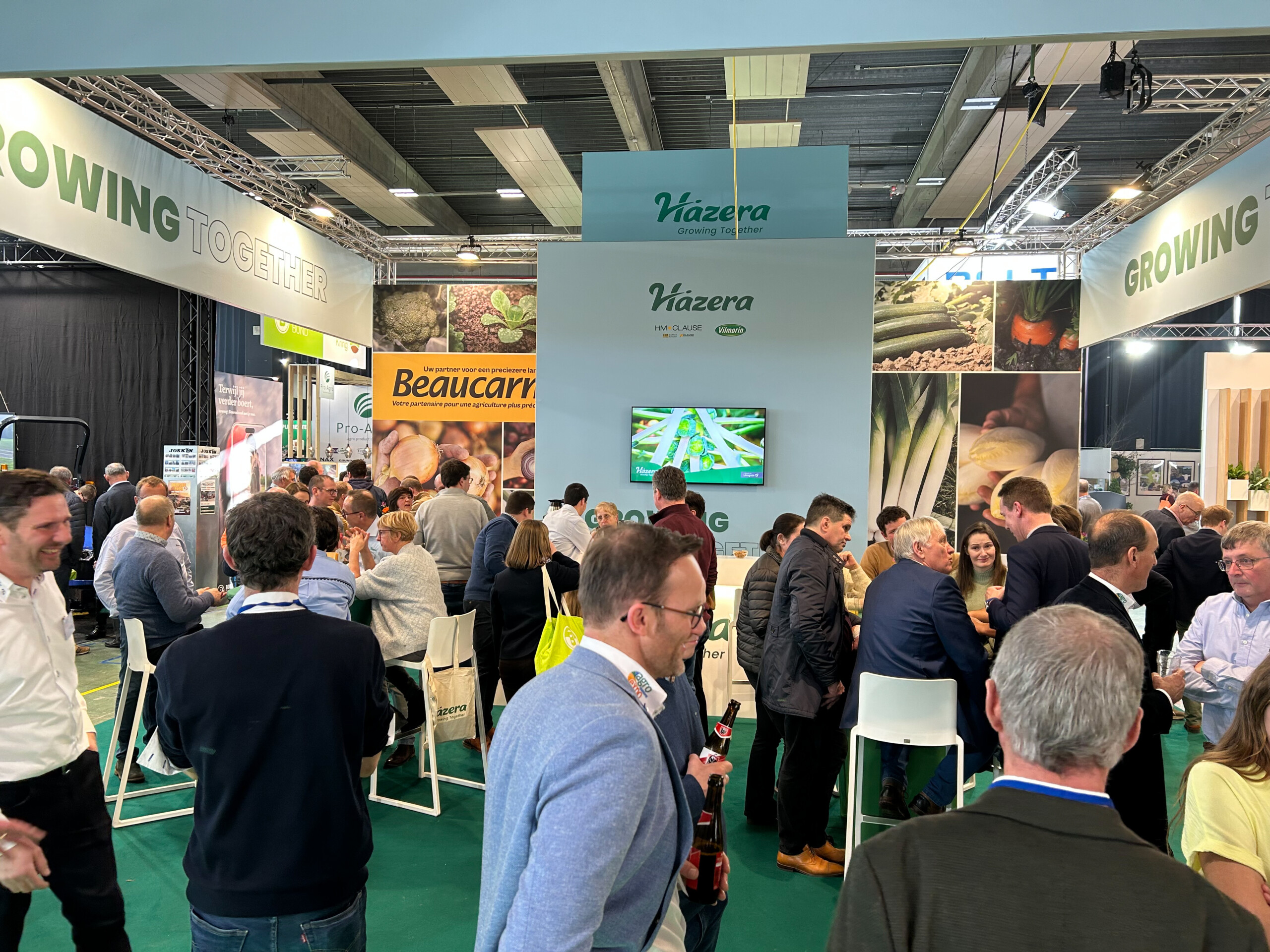
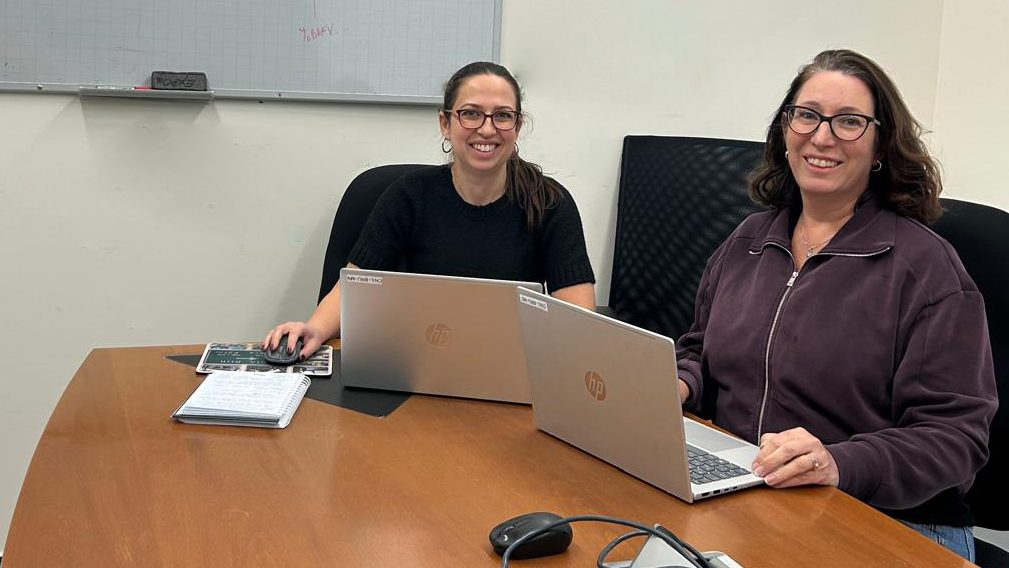
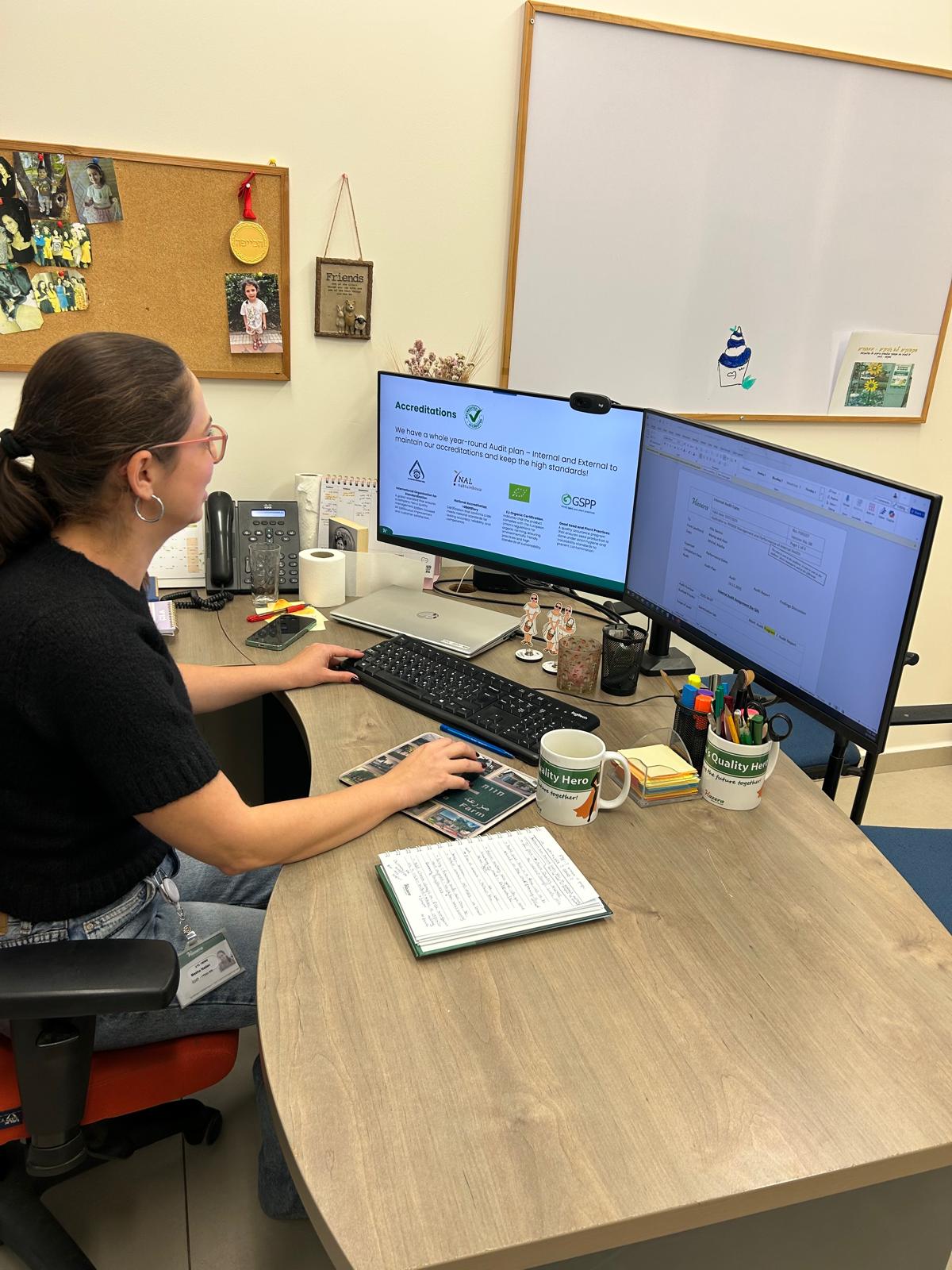
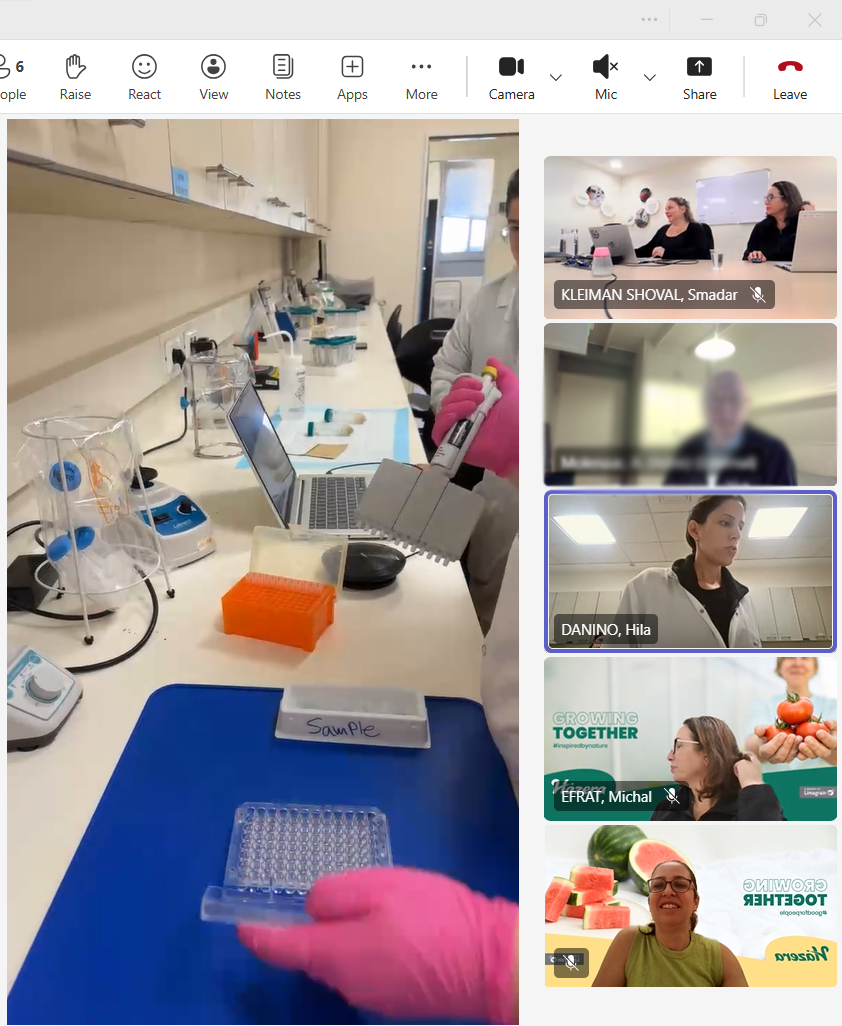
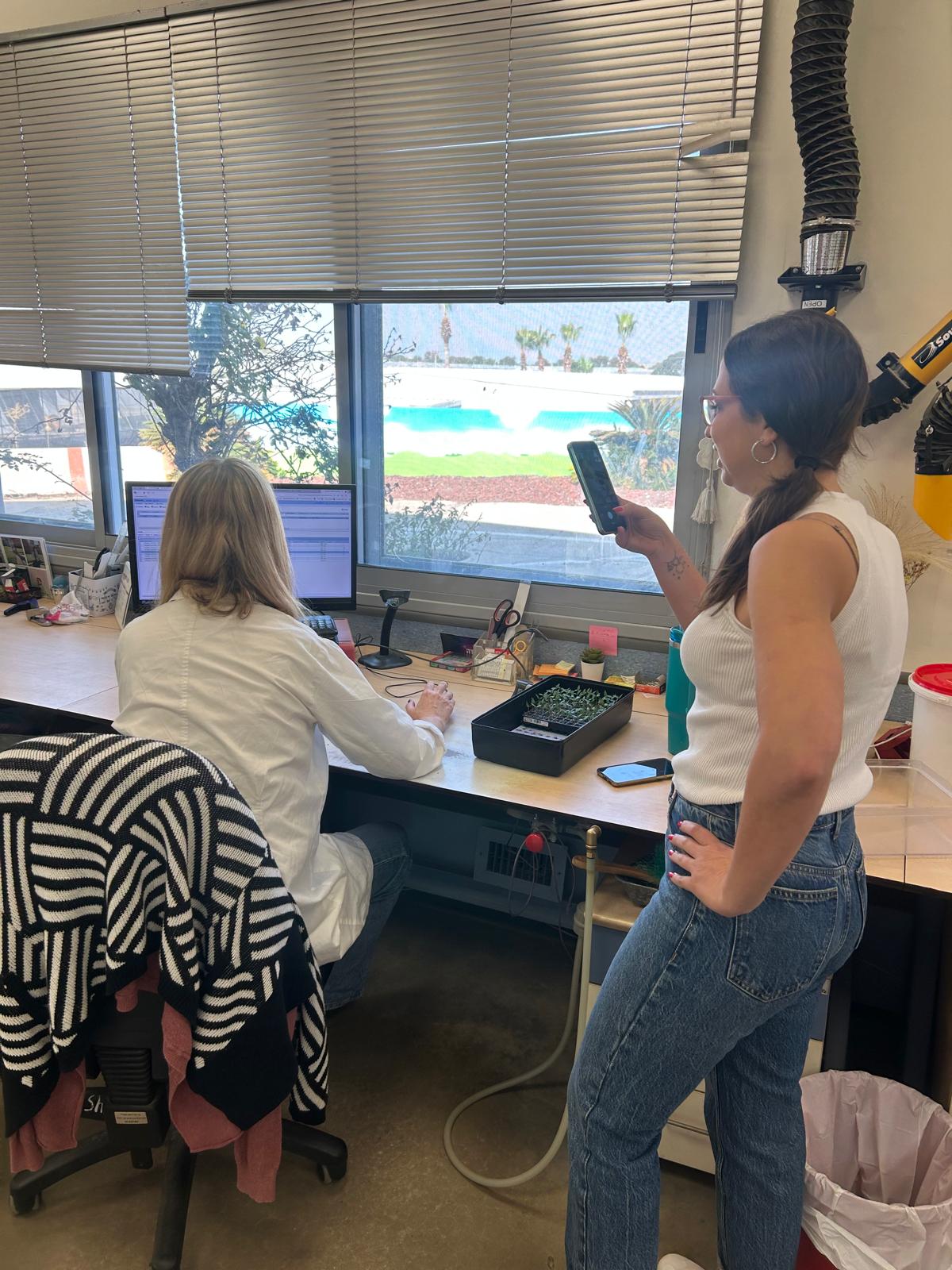
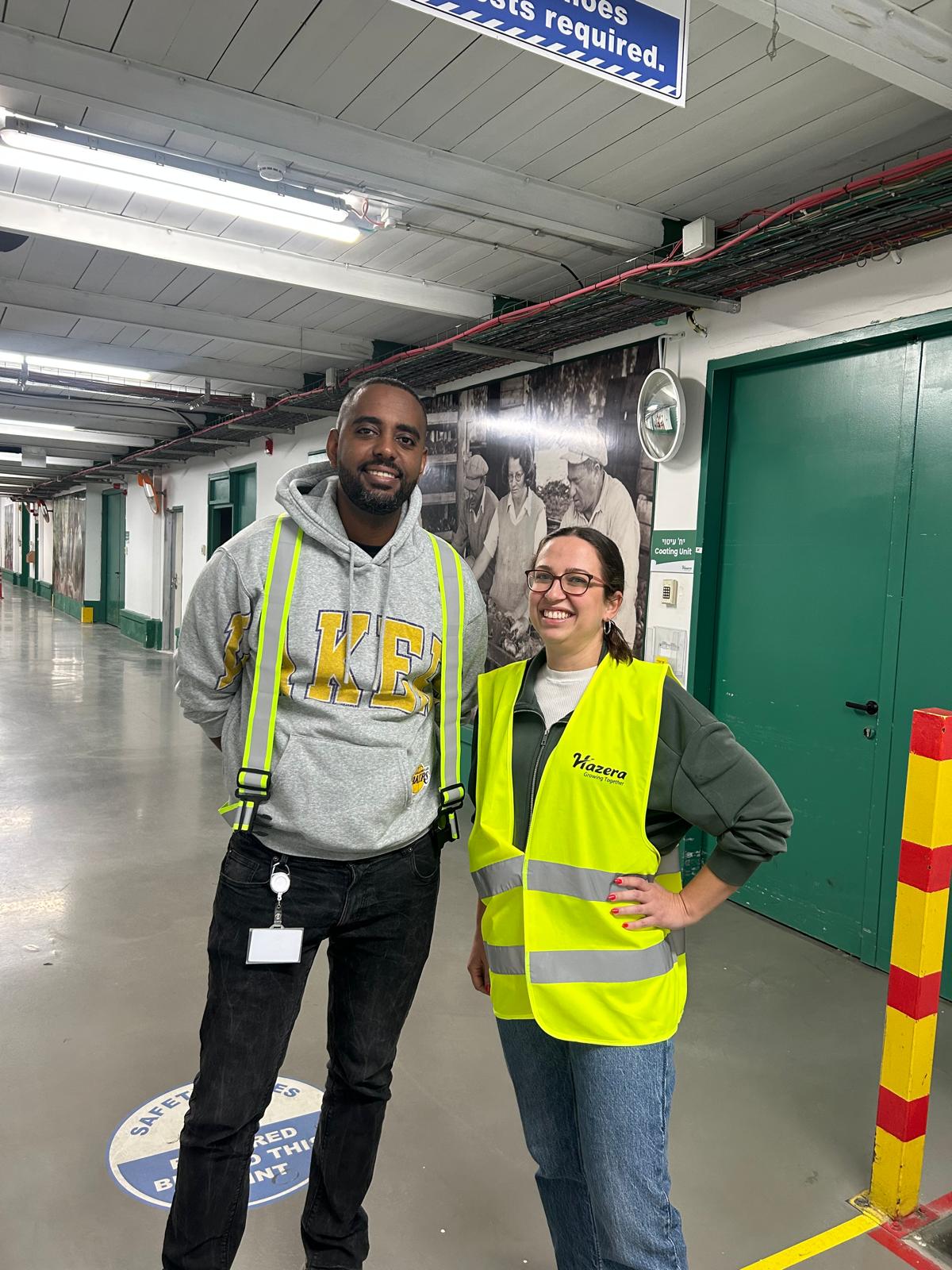
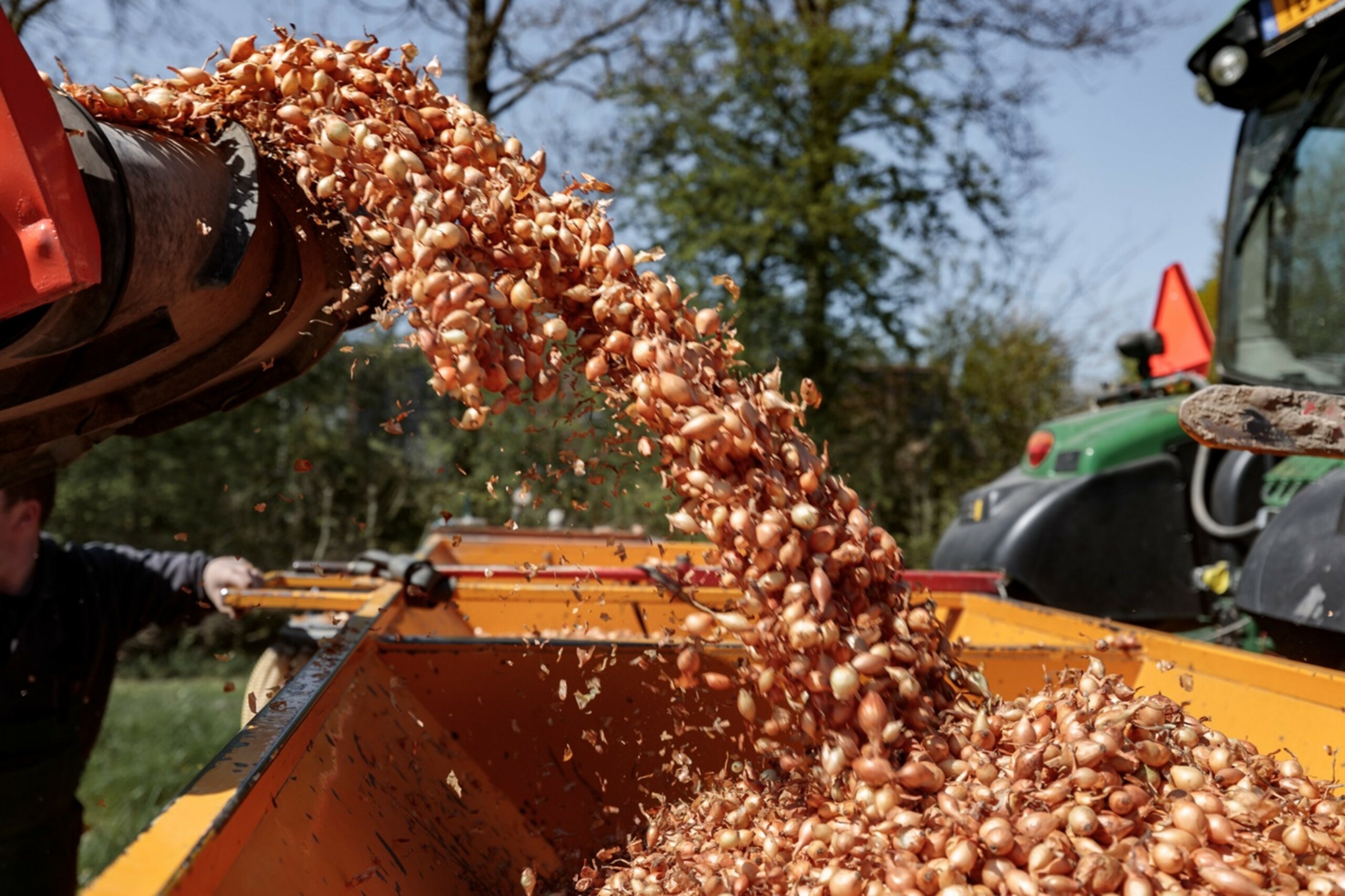
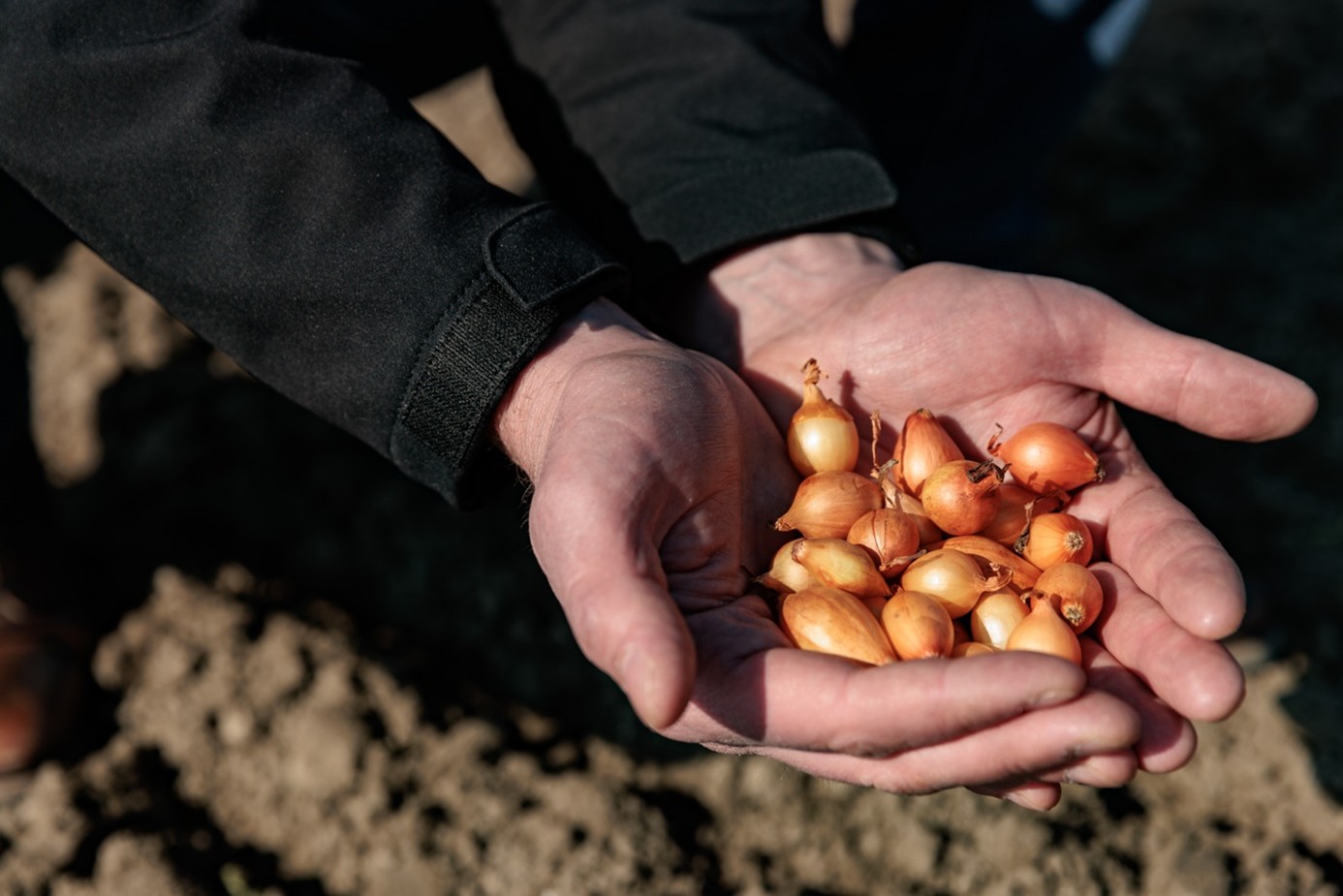
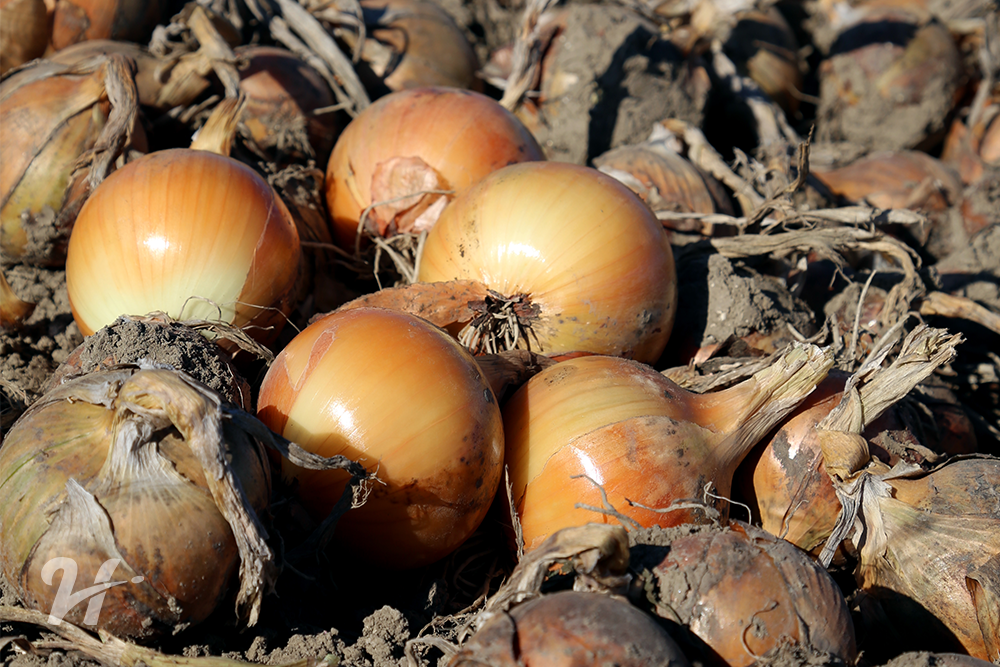
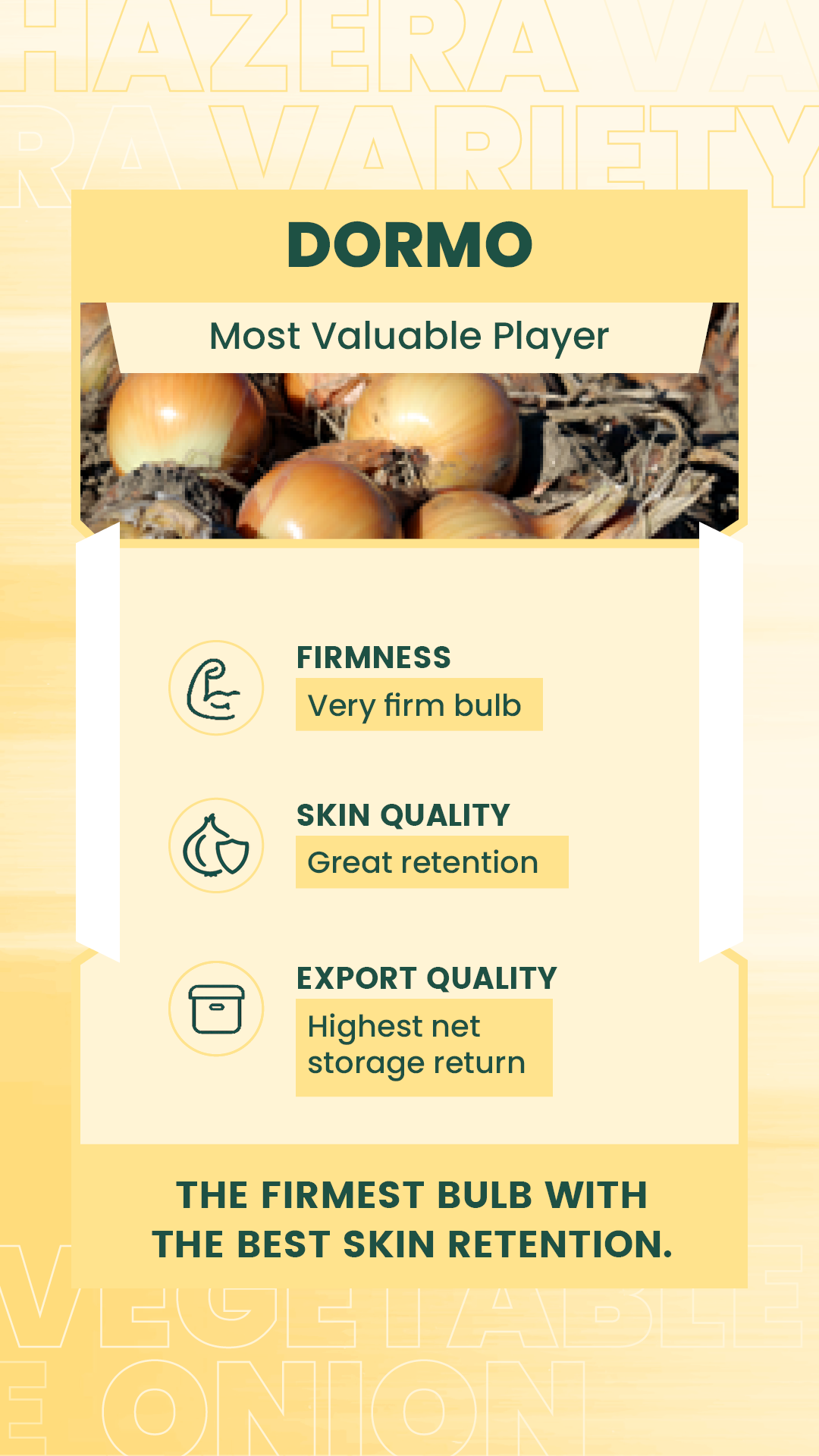
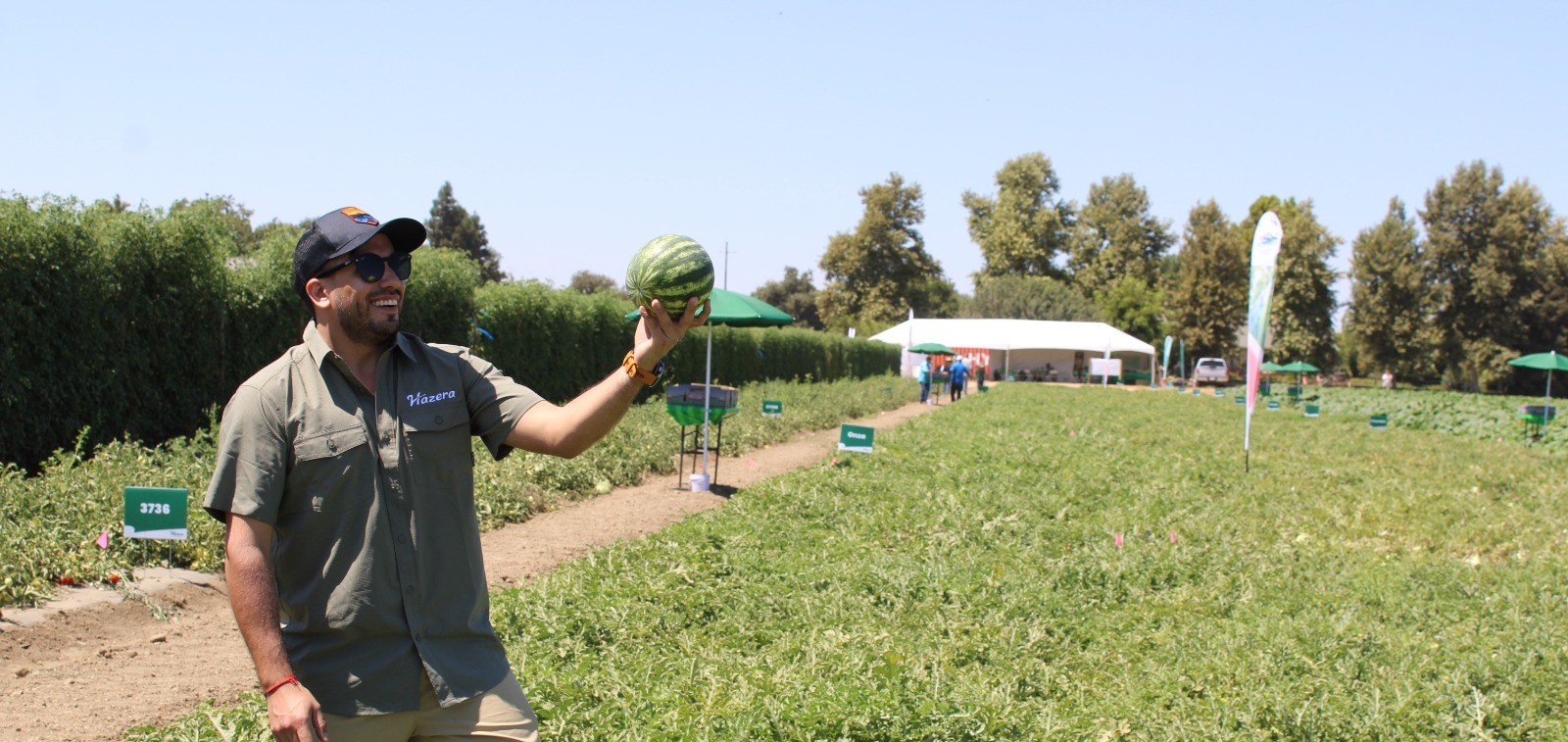
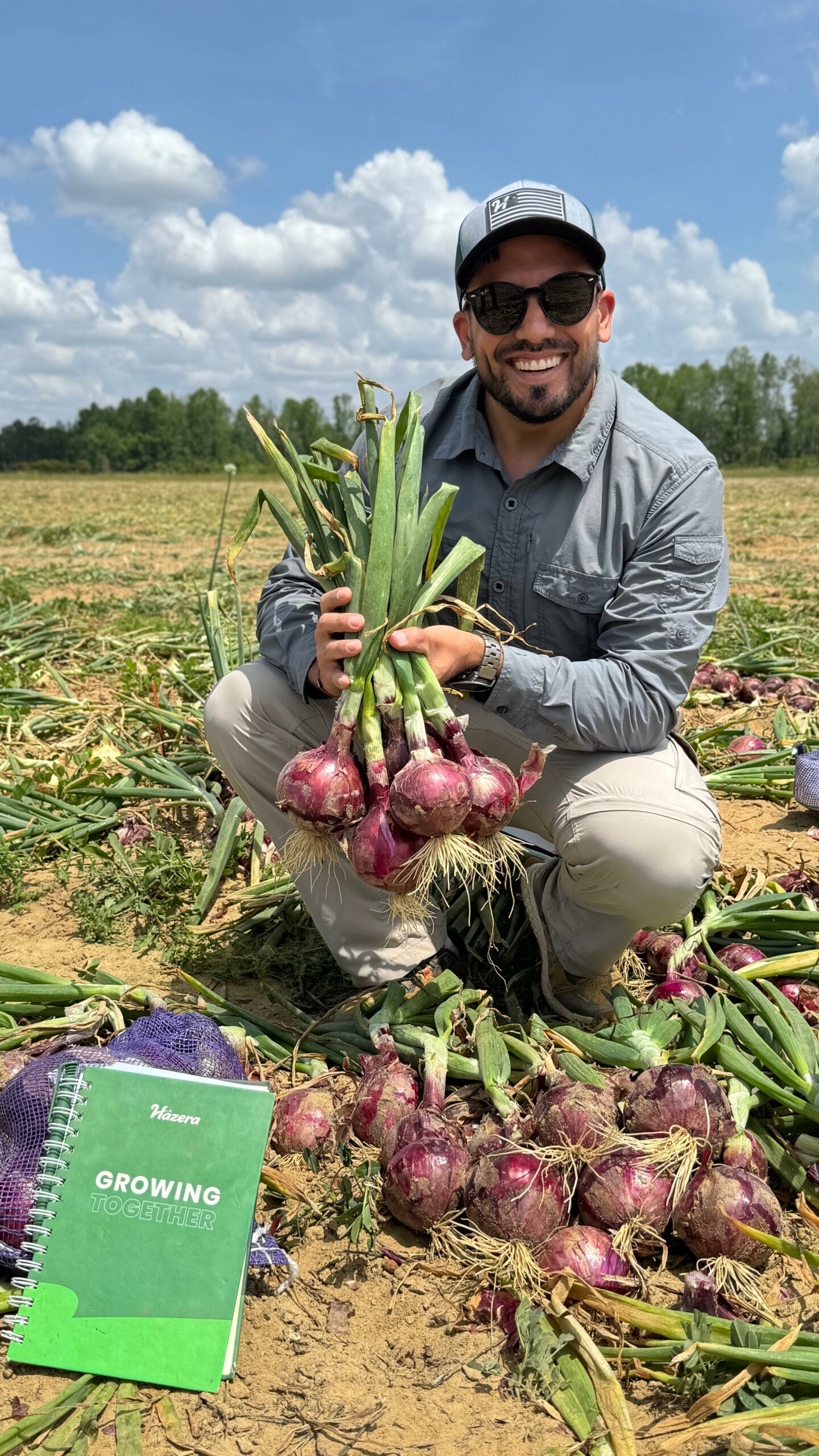
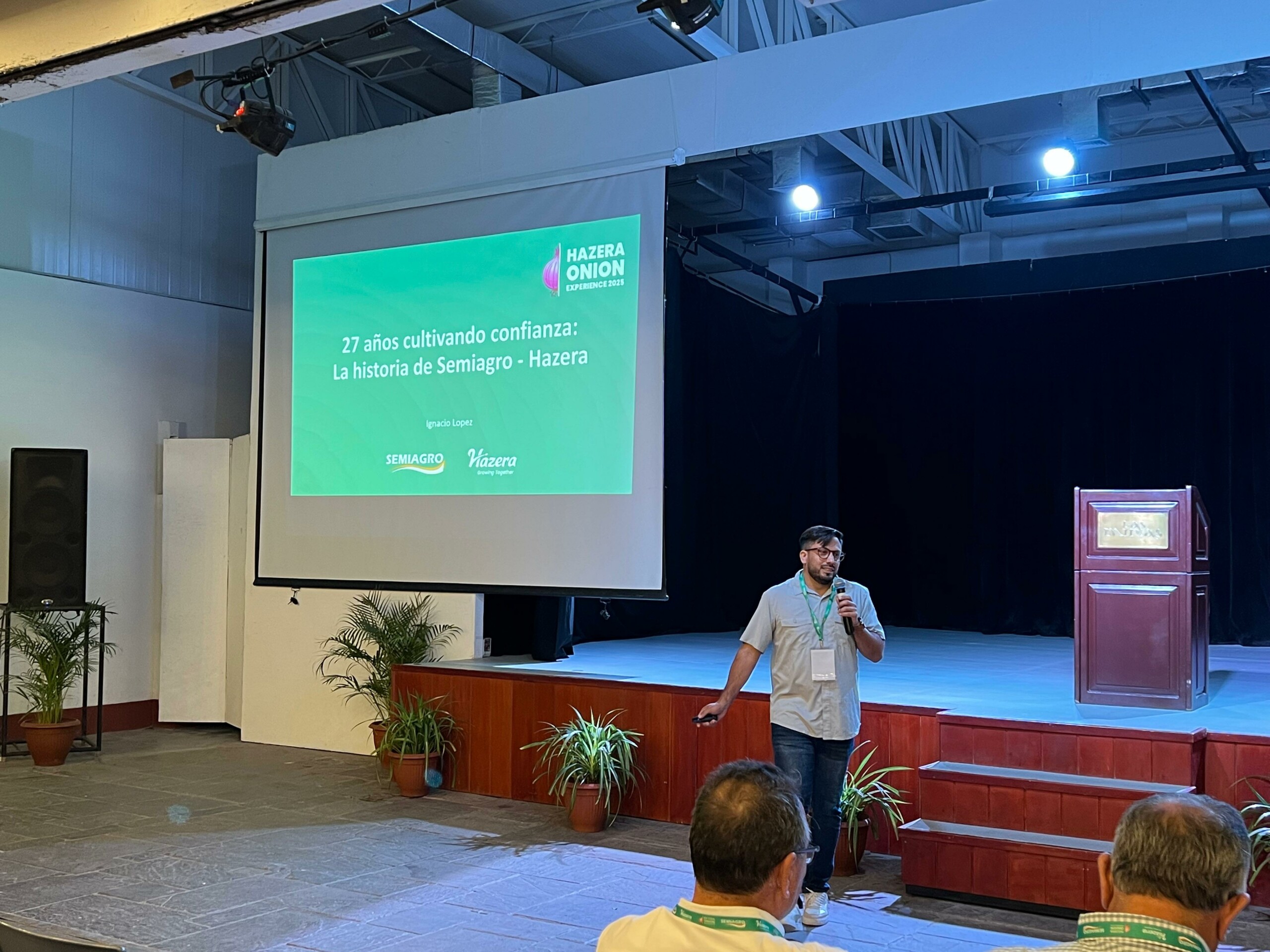
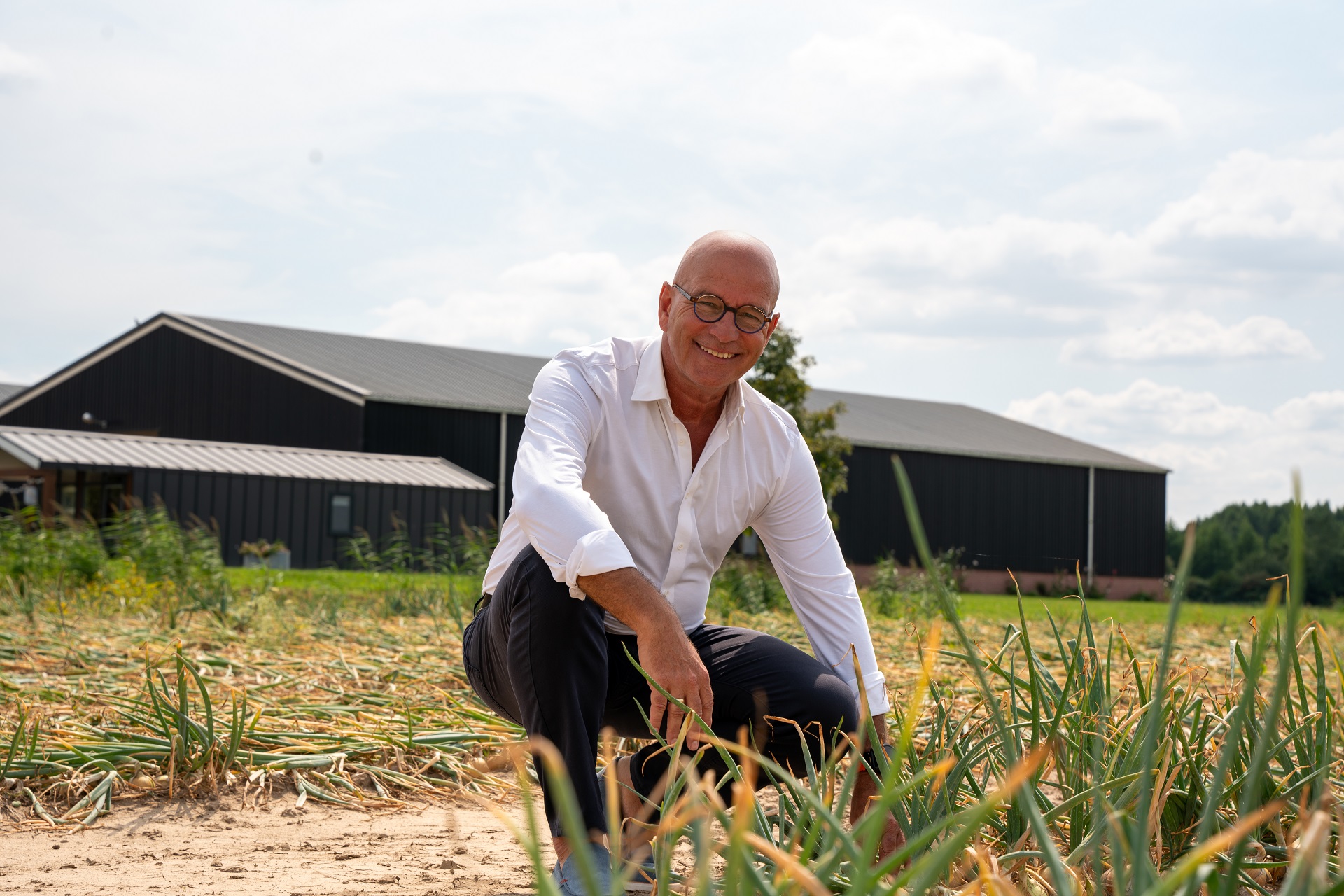
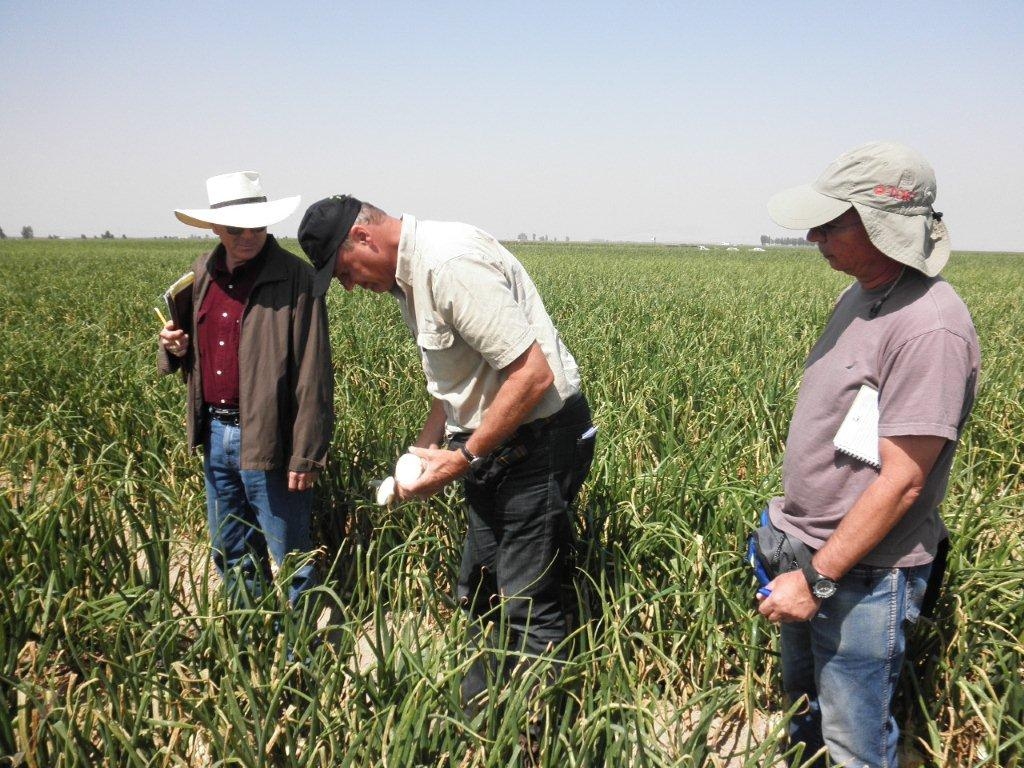
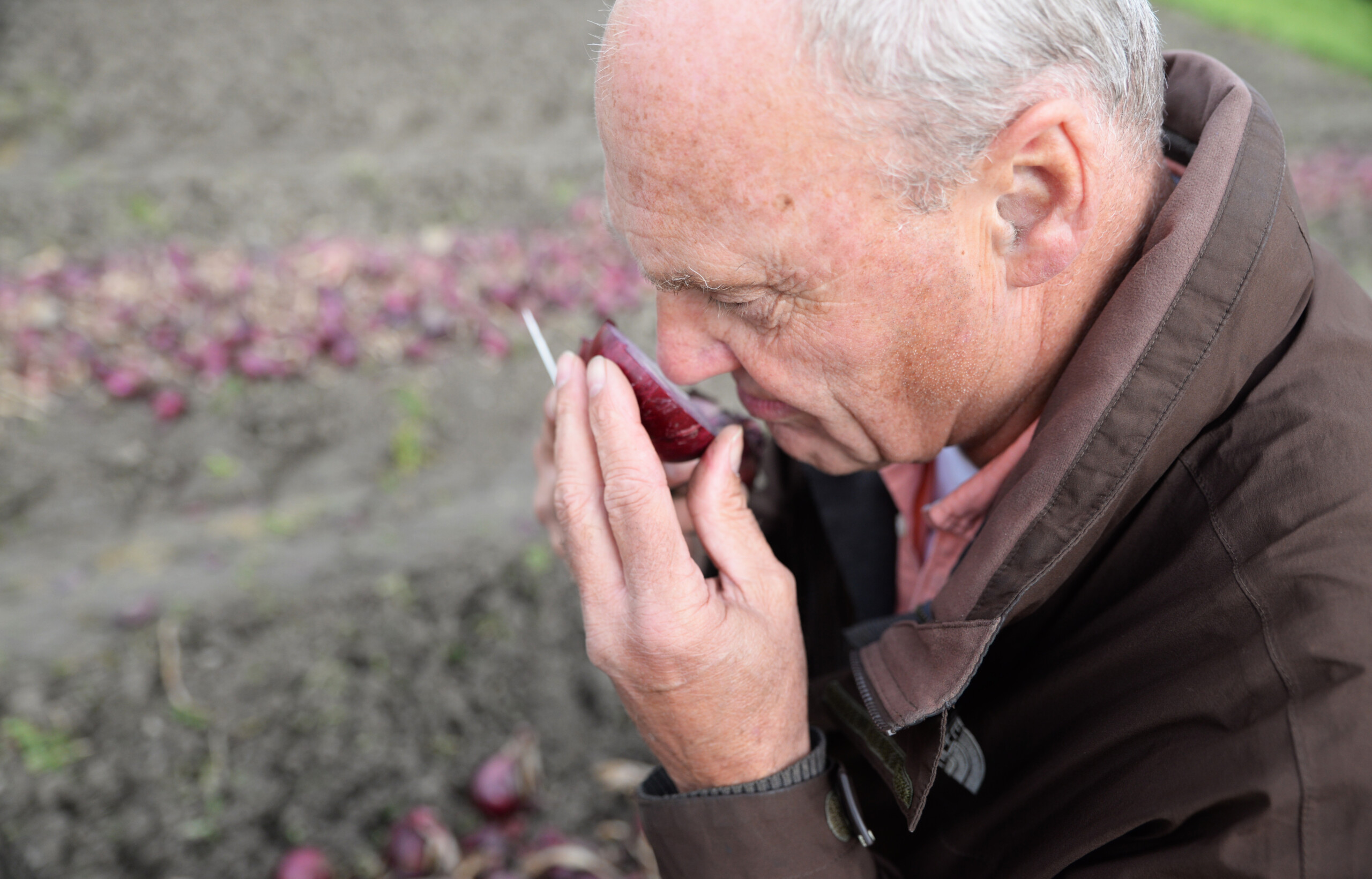 Tell us about a project you’re proud of and why.
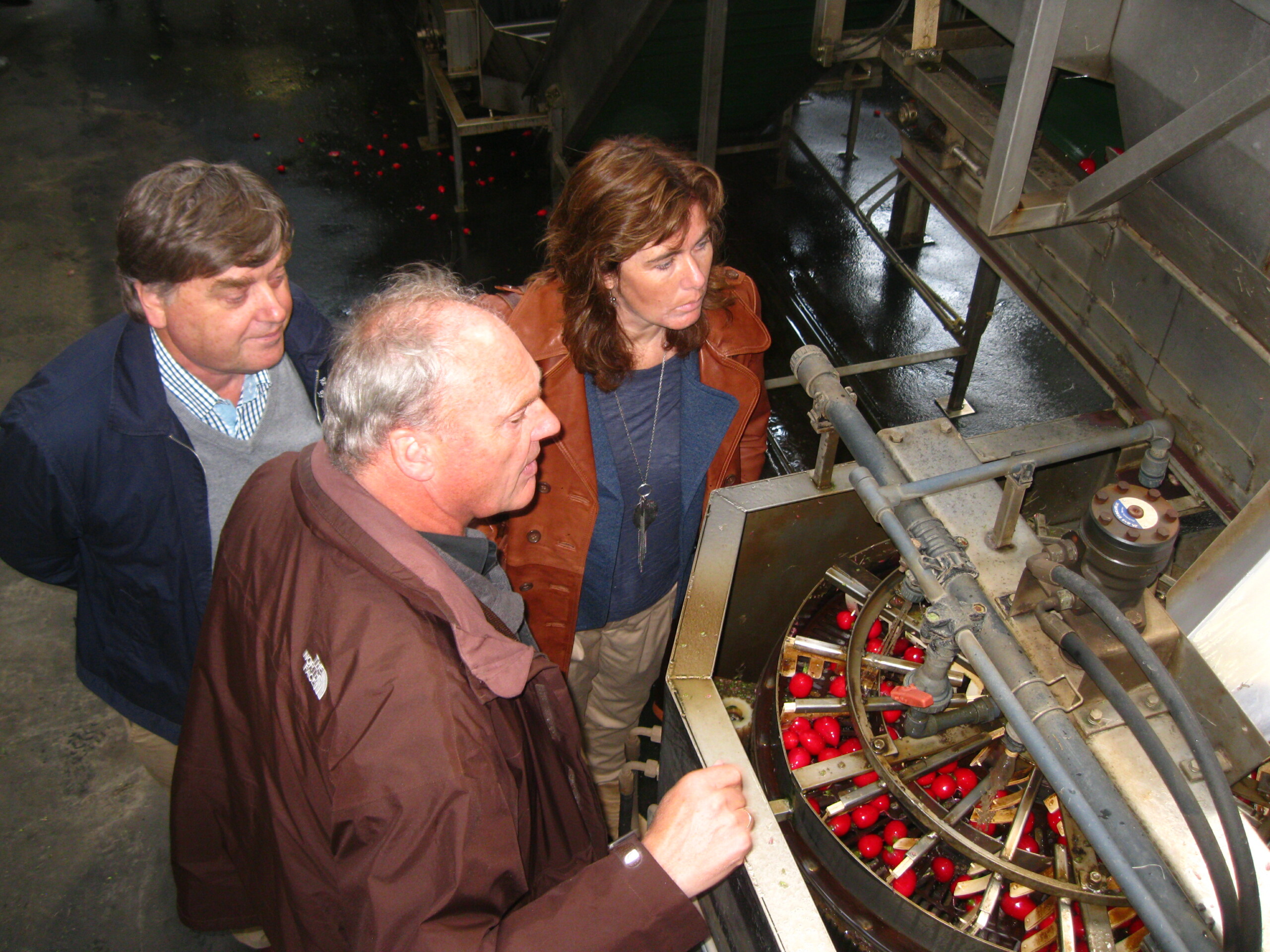 Tell us something about yourself that most people do not know.